

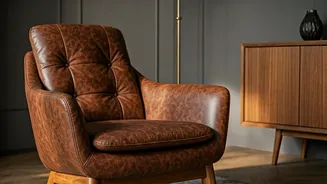


Embrace Scale and Proportion
The golden rule of decorating a small space is to respect its scale. This doesn't mean you must only use tiny furniture, but that each piece should be proportional. Many antique items were designed for more intimate rooms and can have a smaller footprint
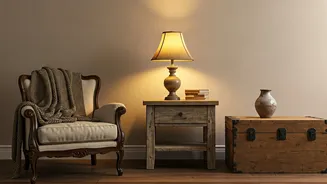
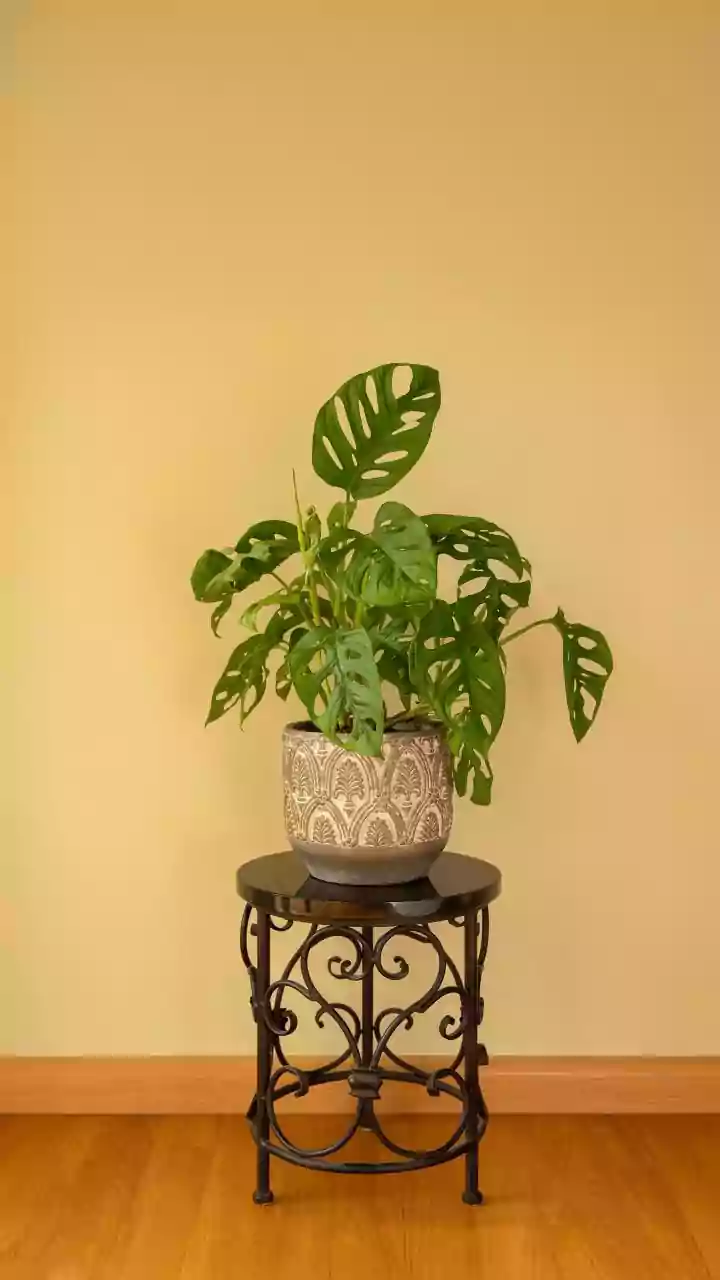
than their modern counterparts. [6] Look for petite side tables, slim console tables, or elegant writing desks that offer functionality without overwhelming the room. [2, 3] Before you buy, measure your space carefully. An oversized armoire can make a room feel cramped, but a beautifully carved antique chair or a delicate Biedermeier side table can add immense character while fitting perfectly. [3, 6] The goal is to find pieces that anchor the room, not dominate it.
Let Mirrors Work Their Magic
It’s a classic trick for a reason: mirrors make small spaces feel larger and brighter. An antique mirror does this with an added layer of style. [4, 7] Unlike crisp modern mirrors, antique glass often has a softer, more forgiving reflection that adds warmth and character. [4] Look for pieces with unique frames—perhaps a gilded 18th-century mirror or one with a timeworn wooden frame—to create a stunning focal point. [6, 13] Placing a large mirror opposite a window will maximise natural light, instantly making the room feel more open and airy. [5] You can also use mirrored furniture, like a small cabinet with mirrored doors, to enhance this effect and add a touch of glamour. [4]
Choose Furniture That Multitasks
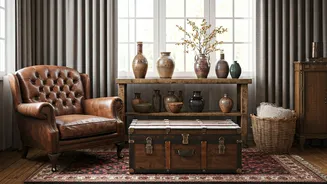
In a small home, every piece should earn its keep. Thankfully, many antiques were designed with multifunctionality in mind. [6] A vintage trunk can serve as both a coffee table and a storage unit for blankets or books. [2] A secretary desk offers a fold-down workspace, drawers for storage, and a beautiful display surface all in one elegant piece. [9, 16] An antique bench can provide seating in an entryway and also store shoes underneath. [20] By choosing antiques that serve multiple purposes, you save precious floor space while adding an element of history and ingenuity to your decor. [2, 9]
Focus on a Statement, Not Clutter
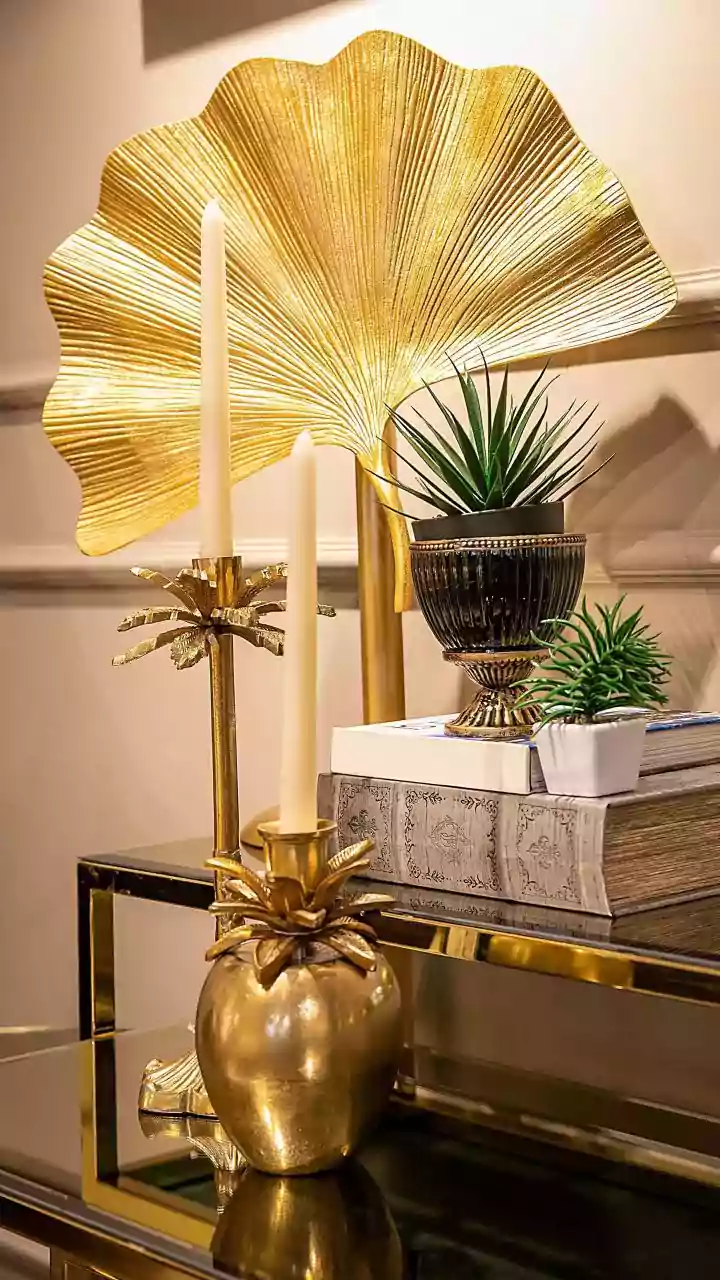
One of the biggest mistakes in a small space is filling it with too many small, disconnected items. This creates visual clutter. Instead, adopt a more curated approach by choosing one or two statement antique pieces per room. [6, 11] A single, stunning item—like an ornate headboard, a beautifully carved console table, or a unique chandelier—can define the space and serve as a focal point. [4] Build the rest of the room around this piece with more contemporary, neutral items to create balance. The 80/20 rule is a helpful guideline: let about 80% of your decor be modern and 20% antique. [3] This allows your vintage treasures to truly stand out without overwhelming the room.
Blend Old and New with a Cohesive Palette
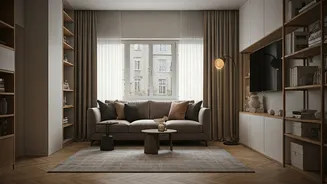
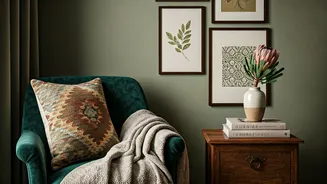
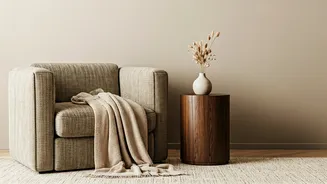
Mixing antiques with modern decor creates a dynamic and personalised space. [8, 11] To ensure the look is cohesive rather than chaotic, establish a unifying colour palette. Neutral walls in shades of white, cream, or soft grey provide a perfect backdrop that allows the rich tones and textures of antique wood to stand out. [3, 12] You can then pull accent colours from your antique pieces—perhaps the deep green of an upholstered chair or the warm hue of a vintage rug—and repeat them in modern accessories like throw pillows or artwork. [3] This thoughtful layering of old and new, tied together by colour, creates a home that feels both timeless and fresh. [11]