





The New Monsoon Reality
For generations, the Indian monsoon was a predictable affair. It arrived, drenched the subcontinent in steady, life-giving rain, and created a lush, green canvas perfect for quiet getaways. That picture is changing. Meteorologists and travellers alike
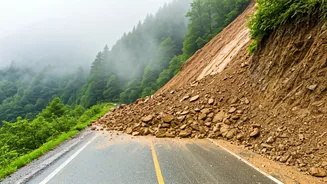
are witnessing a shift in the monsoon’s character. Instead of prolonged periods of gentle rain, we are now experiencing short, intense bursts of extreme precipitation. These cloudbursts can dump a week's worth of rain in a few hours, leading to flash floods, landslides, and widespread disruption, particularly in ecologically sensitive areas like the Himalayas.
From Hills to Coasts
This new unpredictability has triggered a noticeable shift in destination choices. The once-coveted mountain retreats in states like Himachal Pradesh and Uttarakhand are now viewed with caution during peak monsoon months. Recent incidents of devastating floods and tourists being stranded for days have made many travellers reconsider. In their place, destinations perceived as safer are gaining traction. Coastal areas like Goa and Gokarna, which have better drainage and infrastructure, are seeing sustained interest. Similarly, the backwaters of Kerala, destinations across the Deccan Plateau like Hampi, or even the less-rainy parts of Rajasthan are becoming popular alternatives for those seeking a break without the high risk.
The Rise of the Cautious Traveller
The carefree, last-minute monsoon road trip is giving way to a more planned, risk-averse approach. Modern travellers are now armchair meteorologists, obsessively checking weather apps and India Meteorological Department (IMD) alerts before and during their trips. Spontaneity is being replaced by flexibility. Online travel agencies report a surge in demand for bookings with free cancellation or easy rescheduling options. The ‘book now, decide later’ strategy allows travellers to secure good deals without committing to a plan that could be derailed by a sudden weather warning. People are also opting for shorter trips to more accessible locations, reducing the chances of being cut off by landslides or flooded roads.
Industry Adapts to Stay Afloat
The travel and hospitality industry, which relies heavily on seasonal tourism, is adapting quickly. Hotels in high-risk areas are proactively communicating weather conditions to potential guests and offering ‘monsoon assurance’ packages that include flexible date changes. Tour operators are curating itineraries that avoid landslide-prone routes and focus on indoor activities or experiences in safer zones. There's also a greater emphasis on preparedness. Many resorts now have detailed emergency plans, backup power, and enough supplies to handle unforeseen disruptions, marketing this safety-first approach as a key feature. This isn't just about managing logistics; it's about rebuilding traveller confidence in a season that is becoming increasingly volatile.