





The 'Work from Anywhere' Revolution
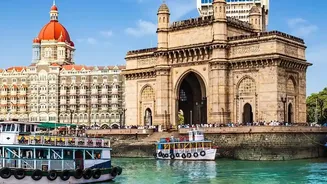
The single biggest catalyst for this trend is the rise of remote and flexible work. For many young professionals in cities like Mumbai, Bengaluru, and Delhi NCR, the traditional office is no longer a daily requirement. This newfound freedom allows couples
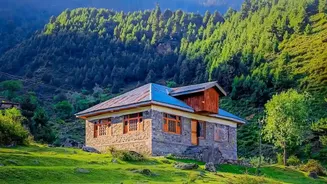
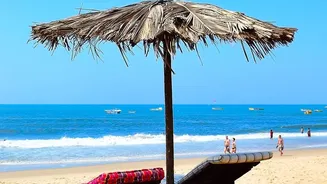
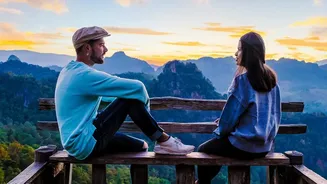
to pack their laptops and trade their city apartments for a farmhouse in Coorg, a cabin in Himachal, or a villa in Goa for weeks at a time. It’s not a vacation in the old sense, but a 'location reset' —integrating work with a more peaceful, scenic environment. With high-speed internet now available in many rural tourist hubs, the dream of taking a work call with a view of the mountains or a coffee estate has become a practical reality.
Seeking Deeper Connection and Wellness
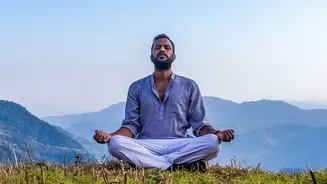
Urban life, with its constant connectivity, long commutes, and high-pressure work culture, is a significant source of burnout. Many couples feel that quick getaways are no longer enough to truly disconnect and recharge. An extended break in nature offers a powerful antidote. Studies have shown that living near green spaces significantly lowers stress and anxiety. By removing the daily triggers of city noise and pressure, couples find they have more patience and kindness for each other. These longer stays allow for a deeper connection, not just with nature, but with each other, away from the endless distractions of daily obligations.
The Appeal of Slow, Authentic Experiences
There's a growing desire to move beyond tourist traps and have more authentic travel experiences. Instead of a rushed itinerary of sightseeing, slow travel allows couples to immerse themselves in local life. This could mean shopping at a village market, learning to cook local dishes, or simply finding a favourite local café. Farm stays and homestays are booming in popularity because they offer a genuine glimpse into a different way of life, something a standard hotel cannot provide. This shift is about quality over quantity—creating a handful of meaningful memories rather than a long checklist of places visited.
It Makes Economic Sense
While a long trip sounds expensive, the maths often works out in its favour. Quick getaways are packed with costs: flights, expensive weekend hotel rates, and eating every meal out. In contrast, renting a homestay or an apartment for a month can be significantly cheaper per day. Having a kitchen reduces food expenses, and staying in one place eliminates costly inter-city travel. For many, a three-week slow trip to one destination can cost the same as, or even less than, a frantic 10-day multi-city tour. This makes extended travel not just a restorative choice, but a financially savvy one too.