





The Search for a Better Balance
The great remote work experiment has evolved into a permanent lifestyle choice for many in India's tech sector. No longer tethered to bustling IT parks in Bengaluru or Gurugram, employees are seeking locations that offer more than just a place to log
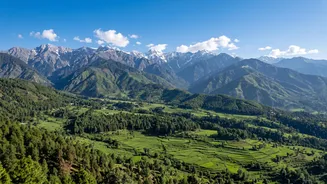
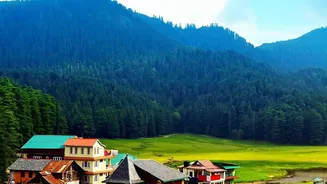
in from. They are chasing a better work-life balance, cleaner air, and a lower cost of living. This search has led them to the quiet, scenic village of Bir in Himachal Pradesh. Initially famous as the paragliding capital of India, Bir is transforming into a sought-after destination for digital nomads who come for a week and find themselves staying for months. The town's appeal lies in its unique ability to feel authentic and calm, avoiding the over-commercialization that plagues many other hill stations.
Digital Infrastructure Meets Natural Serenity
The primary concern for any remote worker is connectivity, and Bir has risen to the challenge. The town now boasts widespread high-speed fiber internet, with speeds up to 200 Mbps available, making video conferences and large file transfers seamless. Many cafes and a growing number of dedicated co-working and co-living spaces offer reliable Wi-Fi and power backup, ensuring that a mountain thunderstorm doesn't derail a deadline. Hostels and boutique stays have adapted, providing not just beds but also work-friendly common areas, ergonomic desks, and a community of like-minded professionals. This robust infrastructure means tech workers can perform their high-demand jobs without the typical distractions of a city office, often reporting increased productivity and focus.
From Keyboard to Cliffside Adventures
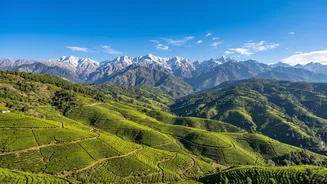
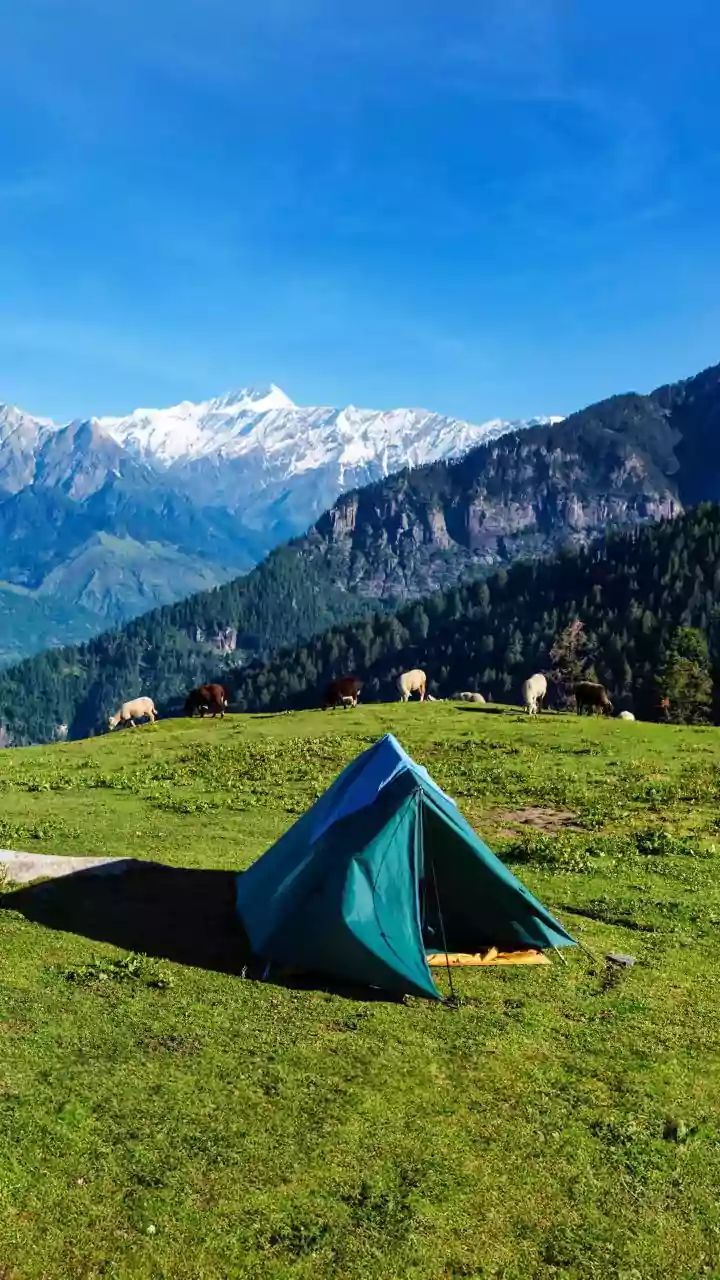
What truly sets Bir apart is the life that happens after the laptop closes. The village offers an unparalleled outdoor lifestyle that serves as a powerful antidote to corporate burnout. The most famous activity is, of course, tandem paragliding from Billing down to the landing site in Bir, an experience many find transformative. Beyond the sky, the area is crisscrossed with trekking trails for all skill levels, from short walks to the Gunehar waterfall to multi-day treks like the one to Rajgundha Valley. Evenings are often spent watching the sunset at the landing site, exploring the serene monasteries of the local Tibetan community, or cycling through quiet tea gardens. This easy access to nature and adventure allows for a genuine reset at the end of each workday.
A Community of Like-Minded Souls
Moving to a new place alone can be daunting, but Bir’s evolution as a digital nomad hub means newcomers quickly find their tribe. The town fosters a strong sense of community, built in the common rooms of co-living spaces and over coffee at popular spots like Garden Café and Musafir Cafe. Remote workers, creators, and freelancers share tips, collaborate on projects, and organize group activities like hikes and movie nights. This social fabric is a major draw, providing the networking and camaraderie of a city office but in a much more relaxed and inspiring environment. Unlike a typical vacation, these long-term stays allow for deeper connections with both fellow travellers and the local Himachali and Tibetan cultures.
The Compelling Economics of Mountain Life
For many tech employees, the move to Bir is also a sound financial decision. The cost of living is significantly lower than in metropolitan hubs. A private room in a co-living space, often including meals and Wi-Fi, can cost between ₹20,000 and ₹30,000 per month. Independent apartments are also available for even less. Food costs are reasonable, with monthly expenses ranging from ₹4,000 to ₹8,000, and renting a scooter for local travel is an affordable ₹3,000 a month. When an entire month's comfortable living expense in Bir can be less than the rent for a small apartment in a major city, the financial logic becomes undeniable, allowing workers to save money while simultaneously improving their quality of life.