



A New Model for Celebration
As cities plan for the next wave of major cultural and sporting festivals, they are increasingly looking at a hybrid approach. This model involves creating high-value ticketed zones—with premium seating and exclusive amenities—that coexist with extensive
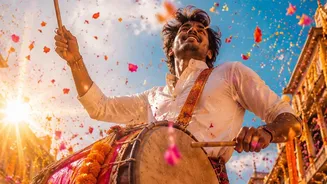
free viewing areas along parade routes or in public squares. The idea is to capture the best of both worlds: the revenue and controlled experience of a paid event, and the broad, inclusive energy of a public celebration. For a nation like India, with its deep-rooted tradition of public festivals, this strategy offers a way to modernize large-scale events without losing their communal soul. It ensures that while some attendees enjoy VIP treatment, the entire city can still feel the buzz and participate in the spectacle.
Fuelling the Local Economy
The economic logic is compelling. While ticketed areas generate direct revenue for organizers, the free public zones create a massive ripple effect for the local economy. Crowds lining a parade route don't just watch; they spend. Local shops, street food vendors, and cafes see a dramatic surge in foot traffic and sales. Studies of large events like Mardi Gras in New Orleans show that spending by attendees in surrounding areas constitutes a huge portion of the event's total economic impact. This 'spillover' spending supports small businesses and creates temporary jobs, ensuring the financial benefits of a major festival are distributed more widely throughout the host community, not just concentrated within the ticketed footprint.
Weaving a Stronger Community Fabric
Beyond the financial upside, creating accessible public spaces for major events is a powerful tool for community building. When celebrations are open to everyone, regardless of their ability to pay for a ticket, it fosters a sense of shared identity and collective pride. These events bring together people from all walks of life, strengthening social bonds and making cities feel more connected. For families, it provides an opportunity to create lasting memories without a significant financial burden. Organizers of 'Open Streets' initiatives have found that these events not only promote physical activity but also enhance the social health of a city by encouraging neighbourly interaction in a positive, shared space.
A Win for Atmosphere and Safety
A thriving, open parade route or festival square does more than just include more people; it fundamentally enhances the event's atmosphere. The energy of a large, enthusiastic crowd is contagious and adds to the spectacle for everyone, including those in the ticketed zones. This vibrant street life becomes part of the main attraction. Furthermore, well-planned public areas can improve overall event logistics and safety. By distributing crowds over a larger area, organizers can reduce dangerous overcrowding in and around the main venues. With proper planning, including clear signage, accessible pathways, and adequate security, these free zones can help manage the flow of people, making the entire event safer and more enjoyable for all attendees.
Lessons from Global Successes
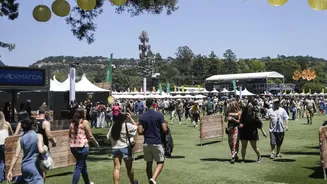
This model isn't just theoretical. The London 2012 Olympics were praised for integrating the Games with the city, allowing millions to feel part of the event without a ticket to a stadium. Similarly, major parades around the world have demonstrated for decades that a free-to-watch street spectacle can become a cherished tradition and a massive economic driver. Even major music festivals, often criticized for creating economic divides with VIP packages, are being encouraged to create more inclusive shared spaces to retain a sense of community. As India looks to host more global events, from sporting world cups to cultural expos in 2027 and beyond, these examples provide a clear blueprint for success.