



Prepare Your Vehicle Before You Leave
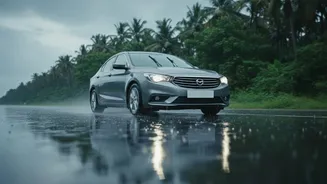
Your vehicle is your first line of defence against monsoon hazards. Before the season truly sets in, and regularly thereafter, conduct a few simple checks. Ensure your tyres have adequate tread depth to grip slippery roads and prevent aquaplaning. Worn-out
tyres are a significant risk on wet surfaces. Equally important are your wiper blades; if they leave streaks, it's time for a replacement to ensure clear visibility in a downpour. Test your brakes, as moisture can reduce their effectiveness. A gentle tap on the brakes after driving through water can help dry them out. Also, confirm that all your lights—headlights, tail lights, and indicators—are working perfectly. Good visibility is crucial not just for you, but for others to see you.
Adopt a 'Slow and Steady' Driving Mentality
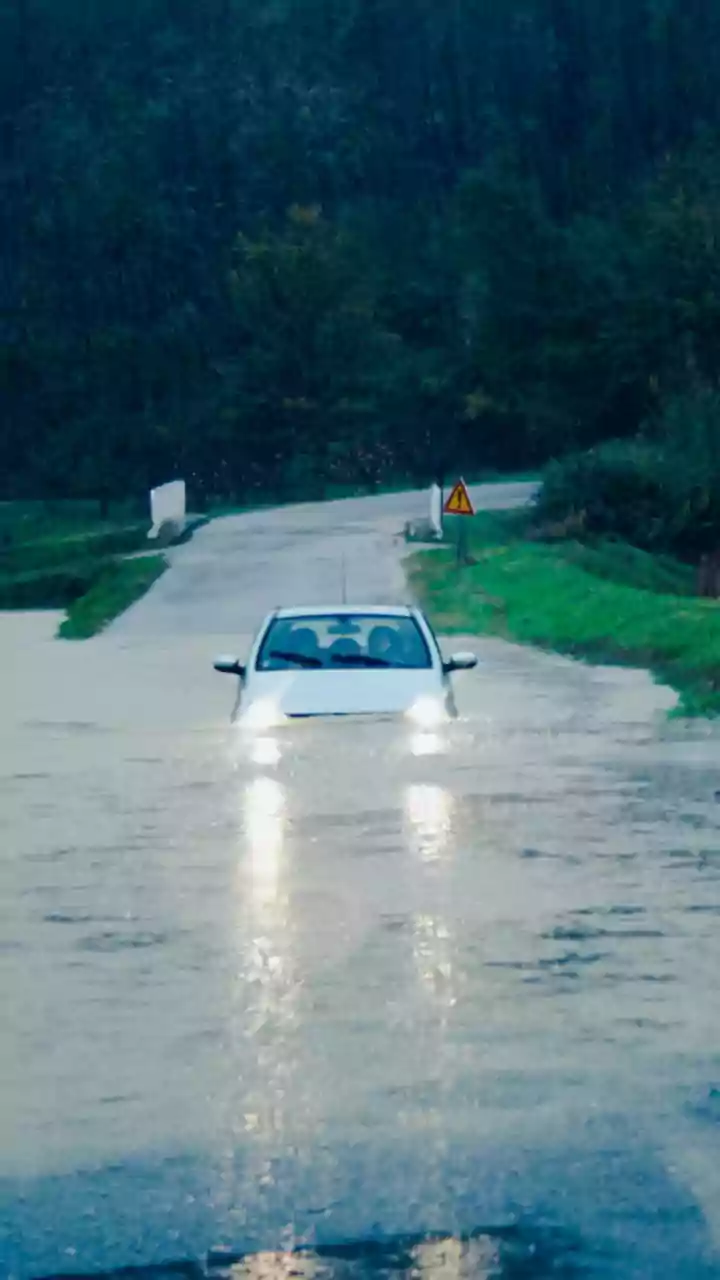
Patience is a virtue, especially when driving in the rain. Wet roads significantly increase braking distances and the risk of skidding. Reduce your speed and maintain a greater following distance from the vehicle ahead—aim for at least a four to five-second gap. Avoid sudden acceleration, hard braking, and sharp turns, as these manoeuvres can cause you to lose control. If you encounter a waterlogged street, the safest option is to find an alternate route. If you must proceed, assess the depth and drive slowly in a low gear, keeping engine revs high to prevent water from entering the exhaust pipe. If your car stalls in deep water, do not try to restart the engine, as this can cause severe and costly damage.
Plan Your Route and Stay Informed
Spontaneity has its charms, but not during a monsoon commute. Before you step out, check the weather forecast and look at real-time traffic updates using navigation apps. These tools can help you identify and avoid waterlogged areas, accidents, or major traffic jams, saving you time and stress. Having a 'Plan B' for your commute is a smart strategy. Know alternative routes or modes of transport, like the metro or a different bus line, that you can switch to if your primary route is compromised. Keeping your phone charged and carrying a power bank ensures you remain connected and can access information or call for help if needed.
Pack a Practical Monsoon Kit
A little preparation goes a long way when you're caught in a sudden shower or face unexpected travel delays. Your daily bag should become a monsoon survival kit. A sturdy umbrella and a lightweight raincoat are obvious essentials. Keep your electronics, wallet, and important documents safe in waterproof pouches or zip-lock bags. It's also wise to pack a small, quick-drying towel and perhaps a spare pair of socks or even a change of clothes, especially if you have a long journey. Carrying a bottle of clean drinking water and a few non-perishable snacks can be a lifesaver if you get stuck in traffic for longer than expected. Also, include a hand sanitiser to maintain hygiene.
Prioritise Your Health and Hygiene
Staying safe during the monsoon isn't just about avoiding accidents; it's also about staying healthy. The rainy season is notorious for water-borne diseases. Be cautious about street food, as the water and ingredients used may be contaminated. Opt for freshly prepared, hot meals instead. It's always safest to carry your own boiled or filtered water. If your feet get wet, dry them as soon as possible to prevent fungal infections. Wearing non-slip, comfortable footwear is also important to avoid slips and falls on slick surfaces. Finally, getting drenched can lead to a cold or fever, so try to change out of wet clothes quickly upon reaching your destination.