





The Monsoon Effect on Your Body
The shift from scorching summer to the damp, humid monsoon season affects more than just the weather; it changes our internal environment, too. According to Ayurveda, the rainy season, or 'Varsha Ritu', is a time when our digestive fire, known as 'Agni',
naturally becomes weaker. The increased moisture in the air can slow down our metabolism, making digestion a more sluggish process. This is why many people experience issues like bloating, indigestion, and a general feeling of heaviness during this time. Traditional wisdom suggests that our bodies require foods that are light, warm, and easy to process to counteract this seasonal shift and maintain balance.
Why Fresher Simply Tastes Better
The claim that seasonal foods taste better is not just a food snob’s opinion; it’s a fact rooted in nature. Produce that is harvested in its natural season is picked at its peak ripeness. This allows the plant to fully develop the natural sugars and aromatic compounds that create deep, satisfying flavour. A monsoon vegetable like bottle gourd or a fruit like Jamun, when plucked at the right time from a local farm, has a vibrancy that produce transported over long distances simply cannot match. That blandness you might notice in out-of-season produce is often because it was picked early and refrigerated for transport, a process that can permanently switch off its flavour-producing genes. So, that superior taste is a direct result of superior freshness and nutritional density.
Monsoon Vegetables to Embrace
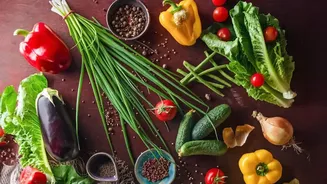
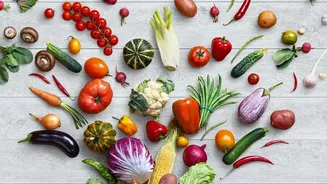
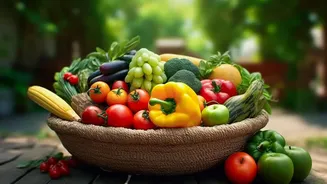
Nature provides the perfect antidote to the challenges of the season. The vegetables that thrive during the monsoon are typically light and easy on the stomach. Gourds are the heroes of this season. Bottle gourd (lauki), ridge gourd (turai), pointed gourd (parwal), and even bitter gourd (karela) are excellent choices. They are rich in fibre and have high water content, which aids digestion. Bitter gourd, despite its challenging flavour, is prized for its ability to stimulate digestion and boost immunity. Other great options include pumpkin (kaddu) and Indian squash (tinda). These vegetables are not only low in calories but are also packed with vitamins and minerals that help strengthen your body’s defences against common monsoon infections.
Power-Packed Monsoon Fruits
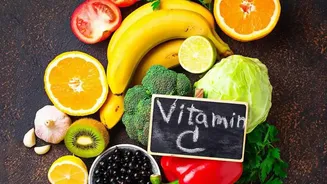
Just as with vegetables, the fruits of the monsoon are perfectly suited to the body's needs. Jamun (Indian blackberry) is the star of the season, celebrated for its deep purple hue and its rich content of iron and Vitamin C, which helps fight fatigue and infection. Pomegranates (anar), pears (nashpati), and plums (aloo bukhara) are also at their delicious best. These fruits are loaded with antioxidants and vitamins that are crucial for bolstering your immune system when it’s most vulnerable. Litchis and peaches, which appear at the beginning of the monsoon, also offer a burst of sweetness and hydration. Opting for these seasonal fruits ensures you are getting a potent dose of nature's best medicine.
The Wisdom in Traditional Meals
Traditional Indian meals for the monsoon perfectly embody these principles. A simple, warm bowl of khichdi, made with rice and moong dal, is considered the ideal monsoon food because it is incredibly easy to digest and provides balanced nutrition. Warm soups, whether made with lentils or vegetables, help keep the body hydrated and nourished. The craving for 'pakoras' and 'bhutta' (roasted corn) makes sense too; these warm snacks provide comfort and warmth against the damp chill. The addition of digestive spices like ginger, turmeric, and black pepper to our food and drinks—like the ubiquitous masala chai—is another layer of this culinary wisdom. These spices help kindle the weak digestive fire, making food easier to absorb and helping to ward off colds and coughs.