






Why October is the Perfect Start
With the monsoon over, exercising outdoors offers a refreshing alternative to indoor workouts. The natural, ever-changing terrain challenges your body more than a flat indoor surface, improving balance and coordination. Exposure to sunlight helps your body produce
Vitamin D, which can boost your mood and strengthen your immune system. Any form of exercise is known to release mood-boosting endorphins, which can help relieve stress and anxiety. Embracing the fresh air after the rains is not just good for your body, but for your mind as well. Just remember that post-monsoon humidity can make exercise feel more tiring, so it's important to listen to your body and not overdo it, especially when you are just starting again.
Gear Up for Safety and Comfort
Before you head out, a little preparation goes a long way. The weather is still transitioning, so dressing in layers is a smart move. Start with a thin, synthetic layer that wicks sweat away from your skin, and avoid cotton, which holds moisture. Choose lightweight, light-coloured, and loose-fitting clothing to help air circulate and keep you cool. Proper footwear with a good grip is essential to prevent slips and falls on surfaces that may still be damp or slippery. Also, don't forget sun protection; even on cloudy days, UV rays can be strong. Apply a sunscreen with at least 30 SPF and consider wearing a hat.
The 5-Minute Dynamic Warm-Up
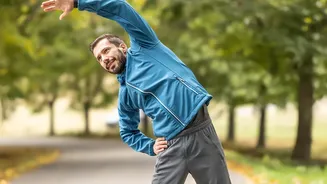
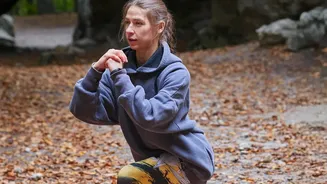
Never skip your warm-up. A proper warm-up increases blood flow, raises muscle temperature for better flexibility, and prepares your heart for the workout, which is crucial for preventing injury. Spend 5 to 10 minutes on dynamic stretches, which involve controlled movements. Try these: Arm Circles: Stand with feet shoulder-width apart and make 10-12 large circles forward with your arms, then reverse. Torso Twists: Stand with feet forward and twist your upper body from side to side for 30 seconds. Walking Lunges: Take a step forward and lunge, keeping your front knee aligned with your ankle. Push off and repeat with the other leg for 10-12 reps. Leg Swings: Hold onto a wall or bench for support and swing one leg forward and back 10 times, then switch legs.
The 20-Minute Bodyweight Circuit
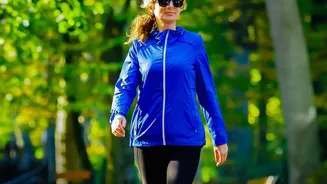
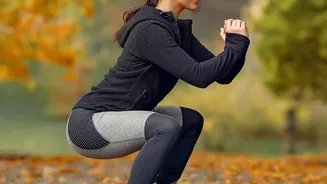
Bodyweight exercises are perfect for outdoor workouts because they require no equipment and are highly effective for building functional strength. They mimic real-life movements, engaging multiple muscle groups at once. Here is a simple 20-minute circuit. Perform each exercise for 45 seconds, followed by 15 seconds of rest. Complete the entire circuit two to three times. Brisk Walking or Jogging in Place: Start here to get your heart rate up. Bodyweight Squats: Stand with feet shoulder-width apart and lower your hips as if sitting in a chair. Keep your chest up and back straight. This targets your quadriceps, hamstrings, and glutes. Park Bench Push-ups: Place your hands on a sturdy bench and perform push-ups. This is a great variation for beginners, strengthening the chest, shoulders, and triceps. Jumping Jacks: A classic cardio move that engages your whole body. * Plank: Hold a straight line from your head to your heels, engaging your core. This is excellent for stability.
Pacing, Hydration, and Hygiene
As your body reacclimatises to outdoor exercise, start at about 50-60% of your previous intensity. A good rule is to increase your activity by no more than 10% each week to allow your joints and muscles to adapt. Hydration is key, even if you don't feel as thirsty in the cooler, humid weather. Drink water before, during, and after your workout. Listen to your body; if you feel dizzy or faint, stop immediately and rest in the shade. Post-monsoon conditions can also mean more bacteria and fungi. Shower promptly after your workout and make sure your shoes and clothes are completely dry before you use them again to avoid infections.
The 5-Minute Cool-Down
A cool-down is just as important as a warm-up. It helps your heart rate and blood pressure return to normal gradually and can help reduce muscle soreness and stiffness. Stopping abruptly can cause light-headedness. Spend five minutes on static stretches, holding each for 20-30 seconds without bouncing. Focus on the muscles you've worked, including your quadriceps, hamstrings, calves, and chest.