




Start with a Strong Foundation
Before you lift a foot, find your grounding. Stand in Mountain Pose (Tadasana), with your feet hip-width apart and your weight distributed evenly. Feel the connection between your feet and the floor. Engage your core gently to support your spine. Balance
is not just about a strong leg; it’s about whole-body awareness. One of the most critical elements for stability is your gaze, or 'drishti'. Find a fixed point in front of you that isn't moving and rest your eyes there. A wandering gaze often leads to a wobbly body.
Step-by-Step Guide to Tree Pose
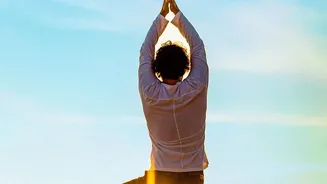
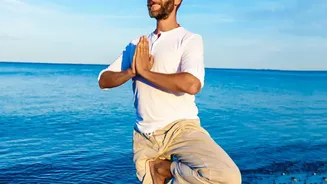
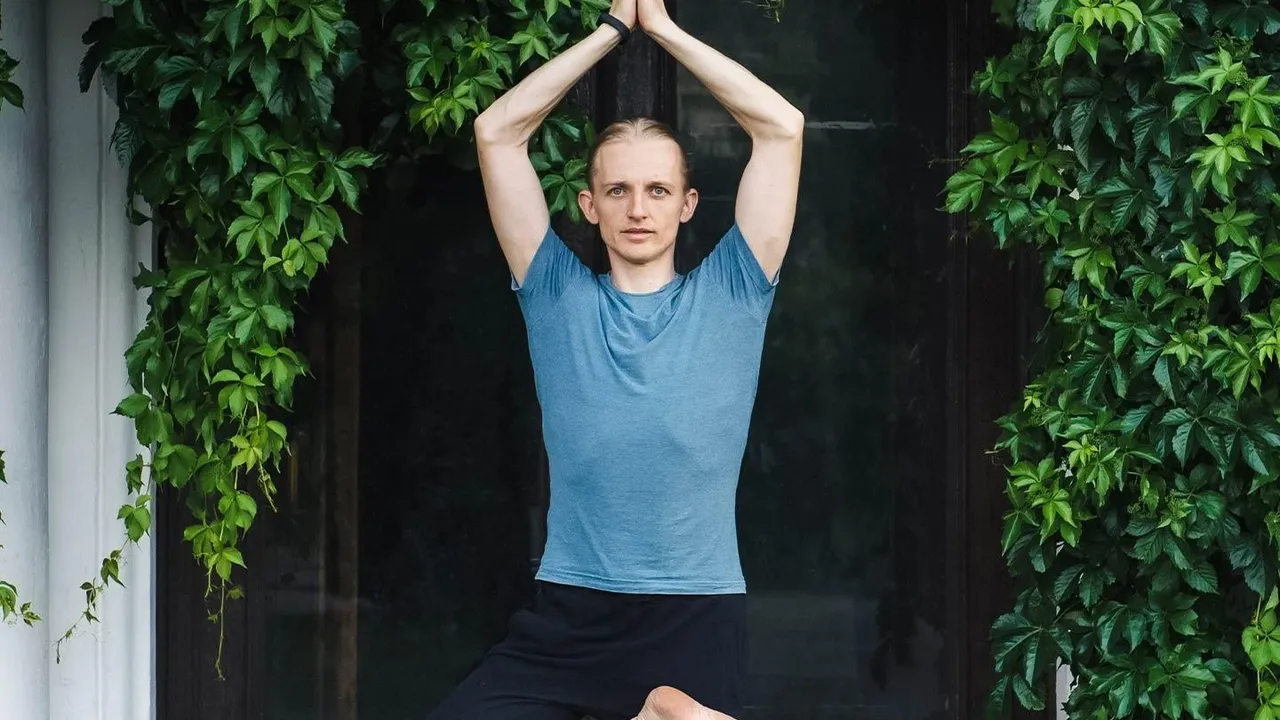
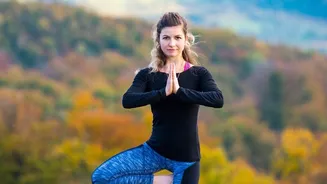
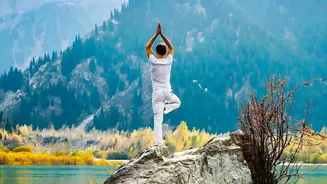
From Mountain Pose, begin to shift your weight onto one foot, let's say the left. Ground down through all four corners of your left foot. Bend your right knee and place the sole of your right foot on your inner left ankle, calf, or inner thigh. A common and crucial mistake to avoid is placing the foot directly on the knee joint, as this puts sideways pressure on it. Once your foot is placed, create a dynamic press: push your foot into your leg and your leg back into your foot. This mutual pressure creates stability. Bring your hands to a prayer position at your heart. If you feel steady, you can extend them overhead like branches.
Common Mistakes and How to Correct Them
Many practitioners struggle with a few common habits. The first, as mentioned, is placing the foot on the knee. Always go above or below the joint. Another is locking the standing knee. Instead, keep the standing leg engaged but with a micro-bend to allow for tiny adjustments. Hips should remain level and facing forward; avoid letting the hip of the lifted leg hike up or swing out to the side. Finally, remember to breathe. Holding your breath when you feel unsteady creates tension and works against your balance. A steady, calm breath promotes a steady, calm body.
Helpful Modifications for Beginners
If you feel very unsteady, there is no shame in using support. Practicing near a wall is an excellent way to build confidence. You can gently touch the wall whenever you feel yourself losing balance. You can also use a chair for light support. Another great modification is to start with your lifted foot in a 'kickstand' position, with the toes of the lifted foot resting on the floor and the heel on the standing ankle. This allows you to practice the alignment and engagement of the pose with a safety net.
Exploring Simple Variations
Once you can hold the basic pose with confidence, you can play with variations to challenge your balance further. One simple variation is to introduce movement. While in Tree Pose, you can gently sway your arms like branches in the wind. This forces your core and standing leg to make constant adjustments. Another variation is a gentle twist; while keeping your hips square, slowly twist your upper body toward the side of your bent knee. For a significant challenge, try closing your eyes for a few seconds. Removing your visual focus point forces you to rely entirely on your internal sense of balance.