

Why August is a Perfect Window
August is considered one of the best months to visit Ladakh. Nestled in a rain-shadow zone, the region receives minimal rainfall, meaning the internal roads connecting its main attractions are generally open and accessible. While the highways from Manali
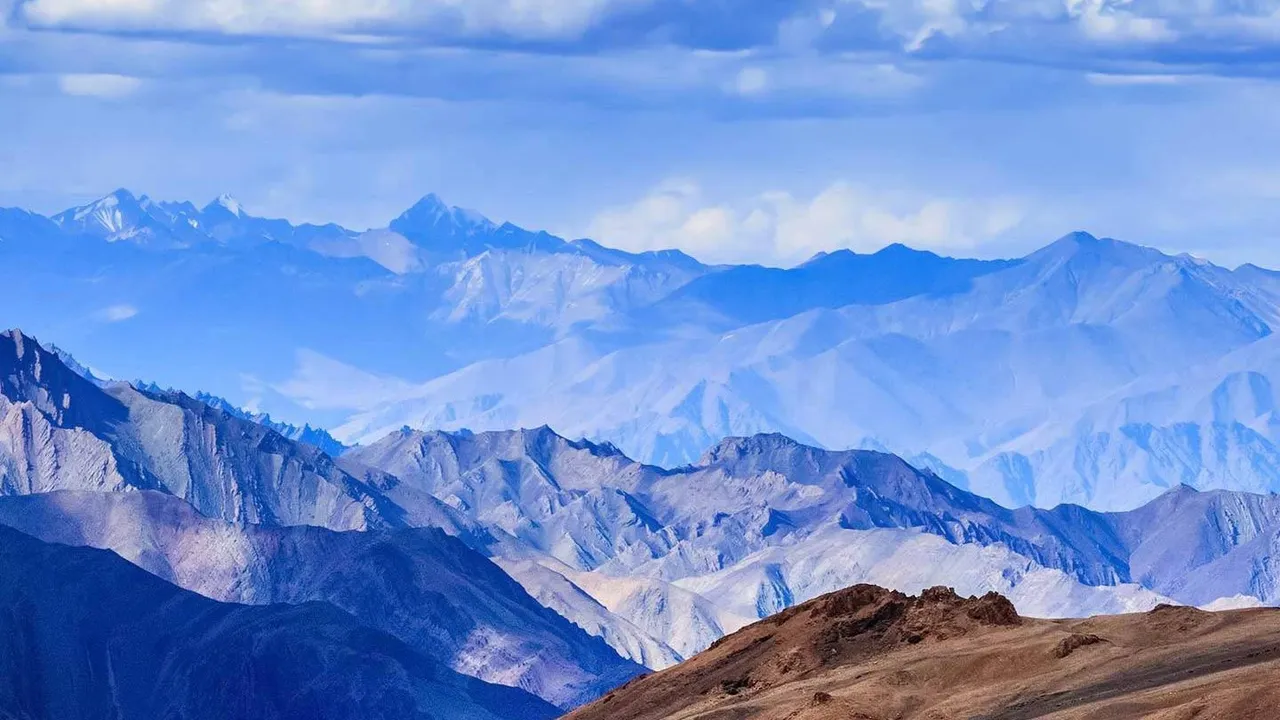
and Srinagar can face monsoon-related disruptions, flying into Leh is a reliable option. Daytime temperatures in Leh are comfortable, often ranging from 15°C to 25°C, perfect for sightseeing. The landscape is vibrant, and the tourist season is in full swing, though it may be slightly less crowded than the peak months of June and July. This creates a perfect balance of accessibility and relative calm, making it ideal for first-timers, families, and photographers.
The Classic Circuit: A 7-Day Itinerary
A well-paced itinerary is key to enjoying Ladakh without succumbing to altitude sickness. A seven or eight-day trip allows for proper acclimatisation and covers the headline attractions. Day 1 is strictly for rest in Leh (altitude: 3,500m) to acclimatise. On Day 2, explore local sites like Leh Palace and Shanti Stupa. On Day 3, drive to the lower-altitude Nubra Valley via the mighty Khardung La pass. Spend Day 4 exploring Nubra's sand dunes and monasteries. On Day 5, take the scenic Shyok route directly to the iconic Pangong Tso. After a night by the lake, drive back to Leh via Chang La pass on Day 6. Day 7 can be for local souvenir shopping before your departure. This circuit ensures you experience both valleys without backtracking.
Nubra Valley: A Desert Among the Peaks
The journey to Nubra Valley takes you over Khardung La, one of the world's highest motorable passes. While the views are spectacular, it's crucial to limit your time at the top to about 15 minutes to avoid altitude sickness. Descending into Nubra is a relief, as the valley sits at a lower altitude than Leh, making it warmer and easier to breathe. The main attractions here are the surreal Hunder sand dunes, where you can ride the famous double-humped Bactrian camels. The towering 32-metre Maitreya Buddha statue near Diskit Monastery is another unmissable landmark, offering panoramic views of the valley.
Pangong Tso: The Lake of Shifting Blues
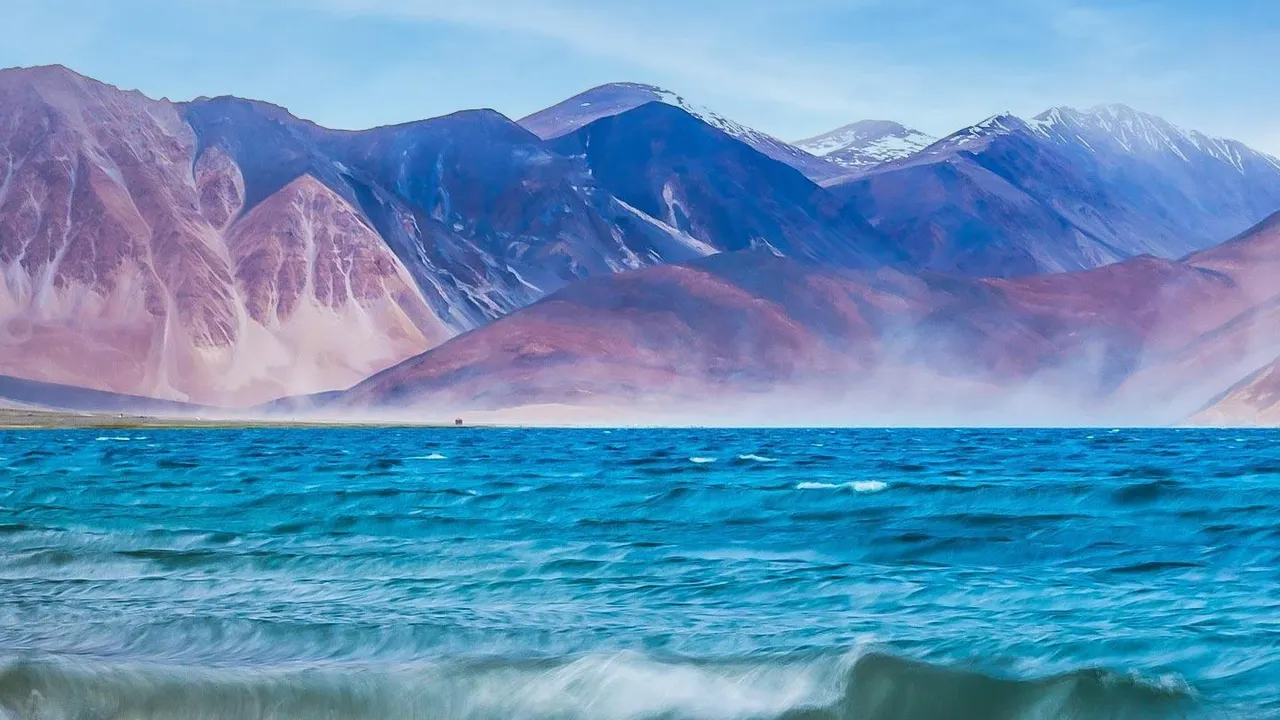
No trip to Ladakh is complete without witnessing the ethereal beauty of Pangong Tso. This high-altitude saltwater lake, stretching over 130 km from India to Tibet, is famous for its mesmerising, ever-changing shades of blue. The drive to Pangong, especially if you take the direct route from Nubra along the Shyok River, is an adventure in itself, with dramatic landscapes unfolding around every bend. August provides clear skies that intensify the lake’s colours. Staying overnight in a camp near the lake allows you to witness a stunning sunset and a star-filled night sky, though be prepared for cold temperatures as soon as the sun goes down. The nights at Pangong can be very cold, even in summer.
Permits, Packing, and Practical Tips
To visit protected areas like Nubra Valley and Pangong Tso, both Indian and foreign tourists need a permit. Indians require an Inner Line Permit (ILP), while foreign nationals need a Protected Area Permit (PAP). These can be obtained online or through a travel agent in Leh. When packing, think in layers. You'll need light clothes for sunny afternoons in Leh and Nubra, but also warm jackets, fleeces, and gloves for the cold nights and high passes. Sunscreen, sunglasses, and a hat are non-negotiable due to the harsh UV rays at high altitude. It’s also wise to carry basic medication for headaches and altitude sickness, and always stay hydrated. Finally, carry enough cash, as ATM access can be limited outside of Leh.