




How Do They Claim to Work?
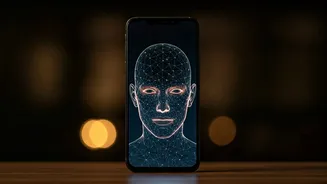
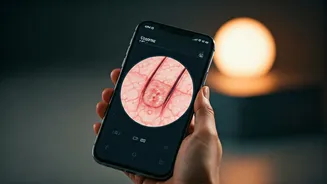
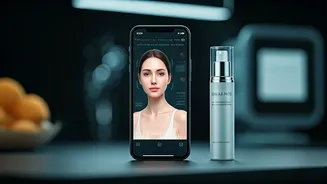
AI skin analysis apps use your phone's camera to take a high-resolution photo or video of your face. An algorithm, often a type of artificial intelligence called a convolutional neural network (CNN), then gets to work. This AI has been trained on millions
of images of various skin conditions. It analyzes your photo for patterns, textures, and colours, comparing them to its vast database to identify issues like dryness, oiliness, dark spots, and even signs of ageing. The app then generates a report, often with a list of 'concerns' and, conveniently, a routine of recommended products.
Myth: They Are as Accurate as a Doctor
This is the biggest and most dangerous myth. While some studies in controlled lab settings show AI can match dermatologists in identifying specific conditions like certain skin cancers, these results don't translate to the app on your phone. Your home environment—with its variable lighting, shadows, and camera angles—drastically reduces accuracy. One study found a commercial app gave the correct primary diagnosis only 23% of the time. Experts warn this can lead to two major problems: false reassurance, where the app misses a serious condition and you delay seeking real medical care, or a false alarm, causing unnecessary anxiety over a benign issue.
Reality: What Dermatologists Really Think
The consensus among dermatologists is clear: these apps are not a substitute for a professional medical evaluation. Many doctors express concern that patients might rely on an app's clean bill of health and ignore a condition that needs treatment. An AI cannot feel a lesion, ask about your medical history, or understand the nuances that are critical for an accurate diagnosis. However, some experts see potential benefits when the apps are used correctly. They can be a good tool for raising awareness, prompting users to pay more attention to their skin health and encouraging them to see a doctor for any new or changing spots the app might flag.
The Hidden Cost: Your Data Privacy
When you upload a selfie for a skin analysis, you are giving away more than just a photo. You are providing sensitive health data. These facial images and the resulting analysis can be classified as 'special category data' under privacy laws like GDPR. App developers are required to get your explicit consent to collect and process this information. However, privacy policies can be long and confusing. There are concerns about how this data is stored, who it's shared with, and whether it's being used for other purposes, like targeted advertising. Some apps are designed as funnels to sell specific skincare products, meaning their recommendations may be biased.
The Problem with Bias
A significant and well-documented issue with AI in dermatology is dataset bias. Many of the image databases used to train these algorithms predominantly feature lighter skin tones. As a result, studies have shown that the accuracy of these apps can drop significantly when analyzing darker skin tones or less common skin conditions. This not only makes the apps less useful for a huge portion of the population but can also perpetuate and even worsen existing healthcare inequities. Without representative data, the AI simply hasn't learned what it needs to know to be effective for everyone.
The Smart Way to Use Skin Apps
Despite the risks, you can use these apps as a supplementary tool rather than a diagnostic one. Think of them as a skin diary. They can be useful for tracking changes over time, such as monitoring the progress of your acne after starting a new treatment or seeing if a dark spot is changing shape. If an app flags a concern, don't panic. Use it as a prompt to schedule an appointment with a board-certified dermatologist for a real diagnosis. Never let an app's assessment, whether good or bad, replace professional medical advice.