







Putting the 5.4% Figure in Context
The 5.4% unemployment rate represents an increase from the 5.0% recorded in the previous quarter (January-March 2026). It brings the rate back to the same level as a year ago, in April-June 2025. This data comes from the Periodic Labour Force Survey (PLFS),
which is the government's primary tool for measuring employment trends. The survey found that while the number of employed people aged 15 and above averaged 566 million during the quarter, the rise in joblessness was broad-based, affecting various segments of the population differently.
The Urban-Rural Divide
The national average masks notable differences between India's urban and rural areas. Rural unemployment saw a more significant jump, rising to 4.8% from 4.3% in the previous quarter. In contrast, the urban unemployment rate saw a smaller increase, inching up to 6.7% from 6.6%. While urban joblessness remains higher in absolute terms, the faster rise in rural areas is a key concern, suggesting growing stress in the agricultural and non-farm sectors of the hinterland.
A Closer Look at the Gender Gap
The data also reveals a concerning trend for women in the workforce. The overall female unemployment rate increased to 5.7% from 5.3% in the prior quarter. The situation is particularly acute for women in urban areas, where the unemployment rate stood at 8.7%. This is significantly higher than the 6.1% rate for urban males. These figures highlight the persistent challenges women face in securing and retaining employment, especially in city-centric job markets.
Youth Unemployment a Major Concern
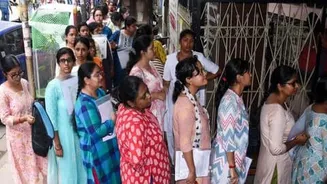
Perhaps the most alarming statistic is the spike in youth unemployment. For individuals aged 15 to 29, the unemployment rate jumped to 15.9%, which is a series-high according to the current PLFS data. This is up from 15% in the previous quarter. The problem is especially severe for young women, whose unemployment rate climbed to a record high of 19.6%. This indicates significant difficulty for the youngest members of the workforce in finding their footing, a critical issue for a country with a large youth demographic.
The Other Side of the Coin: Labour Force Participation
An important metric to consider alongside unemployment is the Labour Force Participation Rate (LFPR), which measures the share of the population that is either working or actively seeking work. The overall LFPR for those aged 15 and above fell to 54.6% from 55.5% in the previous quarter. A declining LFPR can sometimes explain why unemployment figures don't rise even more sharply; it suggests that some people have stopped looking for jobs altogether and are therefore no longer counted as 'unemployed'. The overall female LFPR saw a notable decline during this period.