




The Rise of 'Sleep Tourism'
Welcome to the era of 'sleep tourism,' a direct response to our 'always on' culture of digital dependency and chronic stress. One in five working adults has reported taking time off for a mental health crisis, and experts warn of a potential 'burnt-out
nation' if trends continue. As a result, sleep is being repositioned as the ultimate luxury, and travelers are increasingly prioritizing rest and recharging over packed itineraries. This isn't just about finding a comfortable hotel bed; it's about actively seeking out destinations and programs designed to fix our broken sleep patterns. The global sleep tourism market was valued at over $74 billion in 2024 and is projected to grow, signaling a major shift in how we view our vacations. People are realizing that a standard getaway often isn't enough to counteract the biological toll of burnout.
What Is a Sleep Therapy Retreat?
Forget simple pillow menus and blackout curtains. A true sleep therapy retreat is an immersive, multi-day experience that blends medical diagnostics with holistic practices. These programs aim to go beyond a temporary fix, giving guests tools to manage sleep long after they check out. A stay often begins with a consultation and a baseline assessment, which can range from questionnaires to advanced sleep tracking and even full polysomnography studies to identify underlying issues. Days are then structured around recalibrating your body's natural rhythms. You can expect a curated schedule that may include personalized nutrition, IV therapies, yoga nidra (a form of guided sleep meditation), sound baths, and gentle fitness. Many retreats also incorporate a digital detox, asking guests to surrender their devices to truly disconnect and reduce mental stimulation.
Why Hill Stations?
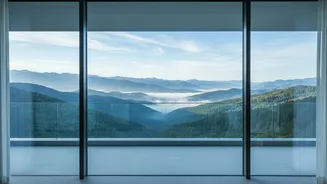
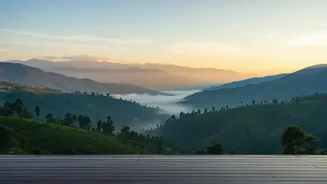
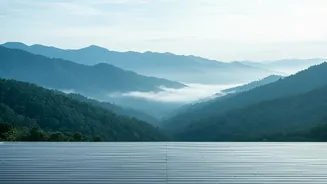
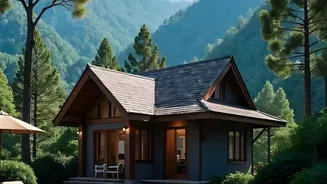
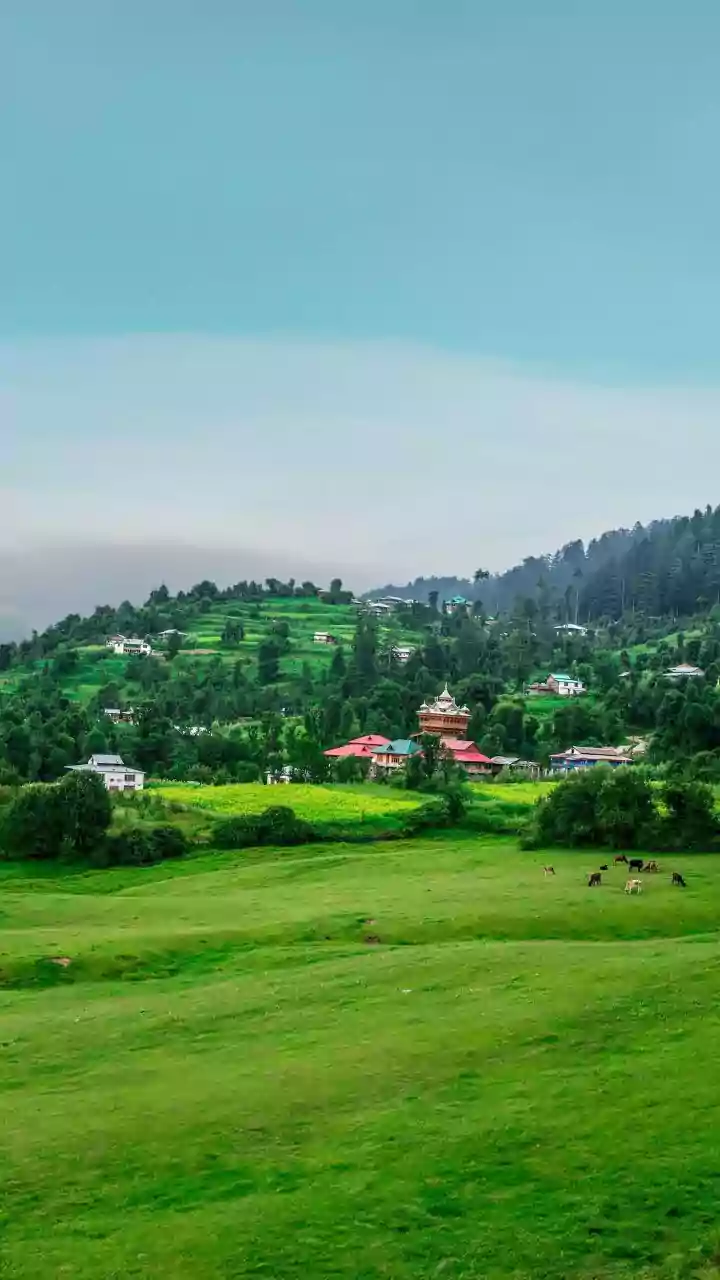
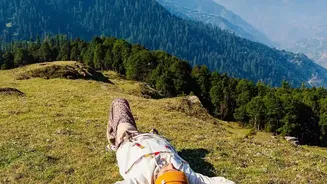
The location is a key part of the therapy. Hill stations provide a powerful environmental reset that cities and even typical beach resorts cannot match. The most obvious benefit is the crisp, clean air, which is lower in pollutants and allergens, contributing to better respiratory health. The quiet, natural surroundings have a proven calming effect on the nervous system, helping to lower levels of the stress hormone cortisol. Cooler evening temperatures also support the body's natural process of falling asleep. Beyond the physical benefits, the simple act of being in a remote, elevated location creates a psychological disconnect from the daily grind. Surrounded by natural beauty—rolling hills, mist-covered valleys, and ancient forests—the mind is encouraged to slow down, fostering the perfect state for deep relaxation and recovery.
More Than Just a Good Night's Sleep
The ultimate goal of a sleep retreat isn't just to help you catch up on rest for a few nights; it's to re-educate your body and mind for long-term health. Burnout is a measurable physiological state that a simple vacation often fails to address. These focused retreats work on resetting the body's stress-response system. The combination of a structured routine, nourishing food, specific therapies, and expert guidance helps rebuild healthy habits. Guests leave not only feeling rested but also armed with practical strategies, from breathing exercises and mindfulness techniques to nutritional advice that they can integrate back into their hectic daily lives. The aim is a sustainable transformation, turning a quiet vacation into a foundational investment in overall well-being.