



The ‘Towel’ Strategy: Your Cleaning Arsenal
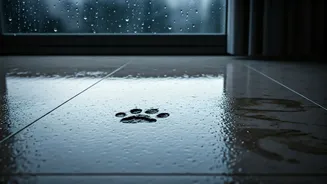
The first line of defence against mud is a well-planned cleaning station. Don't wait until your dog has sprinted through the living room to figure this out. Designate a 'de-mudding zone' right by your entrance—a tiled balcony, a utility area, or even
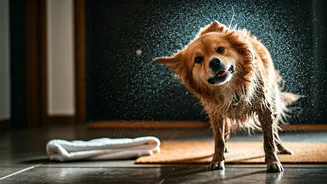
just the bathroom. Cover the floor with old newspapers or a washable mat to contain the mess. Your most crucial tool is, of course, the towel. While any old towel works in a pinch, investing in a few super-absorbent microfibre towels made for pets can be a game-changer. They soak up water and trap mud more effectively than regular cotton. Keep one by the door to do an initial wipe-down of paws and belly before your dog even steps fully inside. For more stubborn mud, a spray bottle filled with lukewarm water can help loosen dirt without needing a full bath. Pet-friendly wet wipes are also excellent for a quick clean of the face and more sensitive areas.
The All-Important ‘Check’: A Health Scan in Disguise
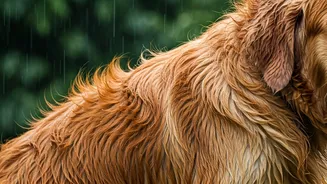
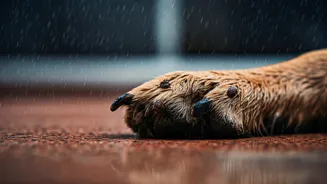
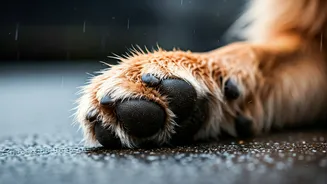
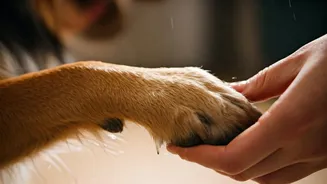
A post-walk cleanup is more than just about aesthetics; it's a vital health check. As you wipe down your dog, run your hands all over their body, feeling for anything unusual. The damp, humid conditions of the Indian monsoon are a breeding ground for skin issues, so this daily check is non-negotiable. Start with the paws. Carefully separate the toes and check the webbing for trapped pebbles, thorns, or glass. Look for any cuts or redness on the paw pads. Mud and moisture can hide ticks and fleas, so pay close attention to hotspots like behind the ears, under the collar, in the 'armpits', and around the base of the tail. Persistent dampness in the fur can lead to fungal infections or hot spots, which appear as red, irritated, and sometimes oozing patches of skin. If you find anything concerning like a persistent limp, a cut that won't stop bleeding, or a skin lesion, it's best to consult your veterinarian.
The Power of ‘Patience’: Turning Chaos into Calm
This is perhaps the most important, yet often overlooked, part of the process. If you are stressed and frustrated, your dog will be too. A frantic, forced cleanup can create a negative association, making your dog dread the end of every walk. The goal is to make the cleanup routine a calm, predictable, and even pleasant experience. Use positive reinforcement. From the time they are a puppy, teach your dog to tolerate having their paws handled and wiped. Start with short sessions, rewarding them with a high-value treat and praise for calm behaviour. Speak in a soothing, happy voice throughout the process. Instead of seeing it as a chore, frame it as a post-walk 'spa session'. This consistent, patient approach turns a moment of potential conflict into one of bonding and trust. Over time, your dog will learn that standing still for a paw wipe leads to a tasty reward and a happy you.
Setting Yourself Up for Success
A little preparation goes a long way in simplifying the muddy walk routine. Keep a 'monsoon kit' by the door. This should include your stack of clean towels, pet wipes, a water spray bottle, a bag for dirty towels, and a jar of treats. A highly absorbent doormat can trap a surprising amount of dirt before it enters the house. For dogs with long coats, regular grooming and trimming, especially around the paws and underbelly, can significantly reduce the amount of mud they track in. Ultimately, embracing the mess is part of the joy of having a dog. They don't see mud; they see a world of exciting smells and textures. By preparing for the inevitable, you free yourself from the anxiety of the cleanup and can focus on the real reward: the sight of your happy, tired, and well-loved companion.