





Why Your Breath Matters So Much
Before diving into the 'how', it's important to understand the 'why'. Proper breathing during any resistance exercise, including wall push-ups, is not just about getting oxygen. It’s a tool for stability and power. A coordinated breath helps to engage
your core, creating a rigid trunk that allows your chest, shoulders, and arms to do their job more effectively. When your breathing is steady, your body receives a consistent stream of oxygen, which can reduce fatigue and improve muscle endurance. It also helps regulate blood pressure and keeps you focused, turning a simple movement into a mindful practice. Neglecting your breath, especially holding it, can cause your form to break down, increase blood pressure, and limit your strength.
The Golden Rule: Exhale on Effort
If you remember only one thing, let it be this: exhale during the hardest part of the movement and inhale during the easier part. For a wall push-up, the 'effort' or 'work' phase is when you are pushing your body away from the wall. The easier phase is when you are lowering your body toward it. This principle applies to almost all forms of strength training. The exhalation helps you generate force and maintain core stability, while the inhalation prepares your body for the next repetition in a controlled manner. This simple rhythm prevents you from holding your breath, a common mistake that can lead to dizziness and instability.
Putting It Into Practice: A Step-by-Step Guide
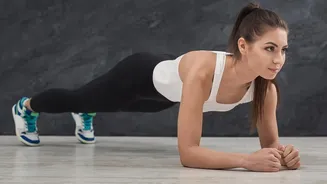
Let's sync the movement with your breath. Stand facing a wall with your feet about hip-width apart. Place your hands on the wall, slightly wider than your shoulders. Your body should form a straight line from your head to your heels. 1. The Inhale (Lowering Phase): Take a slow, steady breath in through your nose as you bend your elbows and lower your chest toward the wall. Try to feel the air fill your belly, not just your chest. This is called diaphragmatic breathing and it's key for core stability. Control the movement; don't just fall toward the wall. The inhale should last the entire duration of this lowering phase. 2. The Exhale (Pushing Phase): As you begin to push back to the starting position, exhale steadily through your mouth. This is your moment of effort. Feel your core tighten as you push the wall away. The exhale should be deliberate and controlled, finishing just as your arms become fully extended.
Finding a Steady, Consistent Rhythm
The headline mentions 'steady breathing', which is about more than just when to inhale and exhale. It’s about creating a smooth, consistent cadence for your repetitions. Rushing through your reps often leads to shallow, frantic breathing or holding your breath altogether. Instead, aim for a controlled tempo. For example, try a two-count as you lower your body (inhaling for 'one, two') and a two-count as you push away (exhaling for 'one, two'). This rhythm not only reinforces the correct breathing pattern but also ensures you are using a full range of motion and maintaining control, which is crucial for building strength safely.
Common Mistakes to Avoid
Many people unintentionally sabotage their push-ups with poor breathing habits. The most common mistake is holding your breath, especially during the pushing phase. This spikes your blood pressure and robs your muscles of the oxygen they need to perform. Another error is 'reverse breathing'—exhaling as you lower and inhaling as you push. This feels unnatural and works against your body's mechanics, making the exercise feel weaker and less stable. Finally, watch out for shallow chest breathing, which can cause tension in your neck and shoulders. If you find yourself making these mistakes, slow down, reduce your number of reps, and focus entirely on drilling the 'inhale down, exhale up' pattern until it becomes second nature.