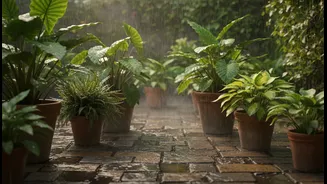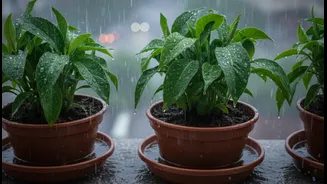




The Great Misconception of Rainy Days
A common assumption during the rainy season is that our gardening duties are on hold. After all, the plants are getting watered naturally. However, for hanging baskets, this belief can be detrimental. Unlike plants in the ground, hanging baskets are in a closed
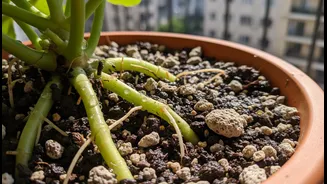
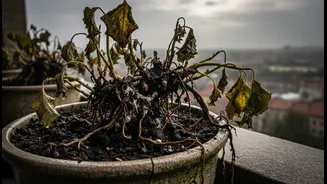
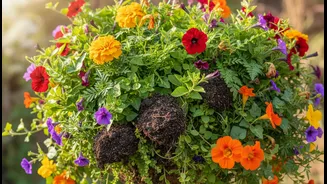
environment with limited soil. Their dense canopy of leaves and flowers can act like an umbrella, preventing rainwater from ever reaching the soil. Furthermore, constant dampness without proper airflow creates the perfect breeding ground for fungal diseases and root rot, which are the primary threats to container plants in wet weather. Relying on the rain alone is one of the biggest mistakes a gardener can make.
Drainage is Non-Negotiable
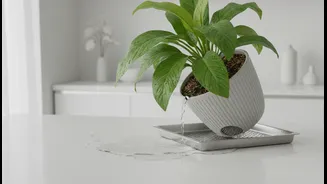
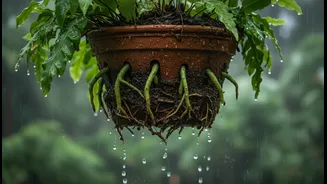
The single most important factor for a healthy hanging basket is excellent drainage. Without it, water pools at the bottom, suffocating the roots and leading to inevitable rot. Before the heavy rains begin, it’s crucial to check that the drainage holes in your baskets are clear and unobstructed. If you're planting your own, always use a high-quality, lightweight potting mix, never heavy garden soil which compacts easily. The best mixes contain ingredients like coco coir, perlite, or vermiculite, which are designed to retain just enough moisture while letting the excess escape freely. For wire baskets with coir liners, you can even add a partial plastic liner to the bottom half to retain some moisture without waterlogging the entire pot, but ensure you poke holes in it.
The Critical Need for Airflow
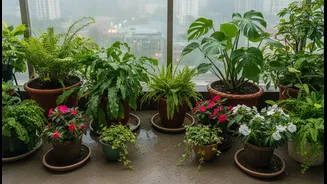
Humid, stagnant air is an open invitation for problems like powdery mildew and other fungal infections. Hanging baskets, especially when packed with lush growth, can have very poor air circulation within the plant canopy. This traps moisture on the leaves and stems, creating ideal conditions for disease. To combat this, ensure your baskets aren't crowded too closely together. A bit of space allows air to move between them, drying the foliage faster after a downpour. Don’t be afraid to give your plants a 'haircut' by trimming back some of the dense growth or removing any yellowing or damaged leaves. This simple pruning not only improves the plant's appearance but significantly boosts vital airflow.
Rethinking Your Watering Routine
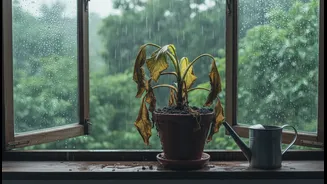
It seems counterintuitive, but you might still need to water your hanging baskets during a rainy spell. As mentioned, the plant's own foliage can shield the soil from a light shower. The only way to know for sure is to check. The classic finger test works best: stick your finger about an inch or two into the soil. If it feels dry, the plant needs water. Another method is to gently lift the basket from below; if it feels surprisingly light, the soil is likely dry. When you do water, do it thoroughly until water runs from the drainage holes. This ensures the entire root ball is hydrated. On the flip side, if the pot feels heavy and the soil is soggy, hold off. Overwatering is just as dangerous as underwatering.
Adjusting Nutrients and Pest Control
Frequent, heavy rain does more than just water your plants; it also leaches essential nutrients from the potting soil. Because you are watering so often (either manually or via the rain), the food you provide for your plants gets washed out of the drainage holes. This means you may need to adjust your fertilizing schedule. During the monsoon, using a water-soluble fertilizer every couple of weeks can help replenish these lost nutrients and keep your flowers blooming. Be sure to only fertilize when the soil is already moist to avoid burning the roots. The damp conditions also attract pests like snails and slugs, so regularly inspect the leaves and stems for any unwanted visitors.