







The New 'Paisa Vasool' Calculation
Going to the movies is no longer a casual weekend activity; it’s a significant planned expense. A family of four visiting a multiplex in a metro city can easily spend a substantial amount on tickets, not to mention the inflated cost of popcorn and drinks.
This financial consideration has fundamentally changed audience behaviour. The question is no longer just 'Is the movie good?' but 'Does this movie provide an experience I cannot get at home?'. Indian audiences have always been value-conscious, and this new economic reality has sharpened that instinct. They are now conducting a cost-benefit analysis before booking tickets, waiting for reviews and strong word-of-mouth to ensure their money will be well spent on an unforgettable outing. Consequently, footfalls for mid-range or underwhelming films have seen a decline, as viewers decide to wait for the film to arrive on a streaming platform, which often happens within eight weeks of its theatrical release.
The True Impact of the Streaming Revolution
The rise of OTT platforms did more than just provide an alternative; it educated an entire generation of viewers. With access to global cinema and high-quality series at their fingertips for a modest monthly fee, the audience's palate has evolved. This has created a clear distinction in their minds: certain types of films, particularly intimate dramas, comedies, and smaller-scale stories, are now perceived as 'home viewing'. Why brave traffic and spend a premium when a perfectly good story can be enjoyed from the comfort of the couch? The pandemic accelerated this trend, forcing even big-budget productions onto streaming services and habituating viewers to watching new releases at home. Now, post-pandemic, while the industry is reverting to a theatrical-first model, the audience's mindset has been permanently altered. The cinema is no longer the default for all films; it has become a premium venue reserved for 'event' movies.
Defining the 'Theatrical Experience'
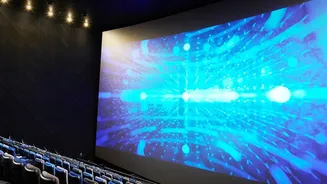
So what qualifies as a theatrical experience today? It's more than just a big screen. It is about an immersive spectacle that leverages the full power of cinema technology — booming Dolby Atmos sound, crystal-clear IMAX visuals, and 3D or 4DX formats that simply cannot be replicated at home. Films like 'Pathaan', 'Jawan', and the 'Baahubali' series are prime examples; their grand scale, larger-than-life action sequences, and breathtaking visuals demand to be seen in a theatre. It’s about creating a sense of occasion and a communal experience, where audiences can cheer, gasp, and react together. This is a return to the core magic of cinema: offering an escape into a world that feels grander and more epic than our own. This is why films that offer escapism and high-octane thrills are drawing crowds, while more realistic or dialogue-heavy films often struggle to generate the same theatrical buzz.
The Precarious Position of Mid-Budget Cinema
This clear divide leaves mid-budget films in a difficult position. These are movies that lack the colossal marketing budgets and visual scale of a blockbuster but are too ambitious for a direct-to-OTT release. Pre-pandemic, a well-made film in this category could reliably find an audience and become a sleeper hit. Today, they face a monumental challenge in convincing viewers to pay premium multiplex prices. The audience for these films has shrunk, with many opting to wait for the digital release. Even critical acclaim is sometimes not enough to drive footfalls. This has created a top-heavy market, where a handful of massive blockbusters account for a disproportionate share of the total box office revenue, while a whole category of quality cinema struggles for theatrical survival. Filmmakers and studios are now grappling with how to market these films and create a sense of urgency that makes them feel like essential theatrical viewing.