






The Nutritional Divide
The core difference lies in the nutritional profile. Many popular breakfast cereals, despite marketing claims of being “fortified” or “whole grain,” are ultra-processed. The refining process often strips grains of their natural fibre and essential nutrients
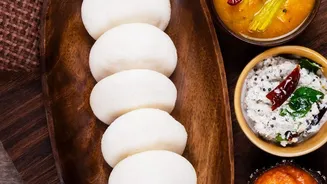
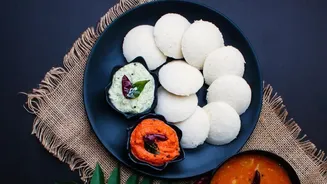
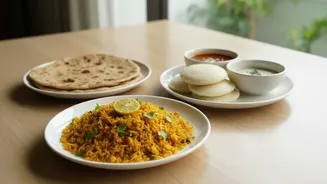
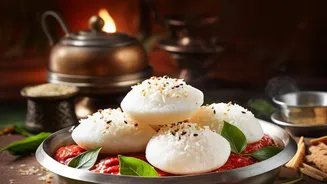
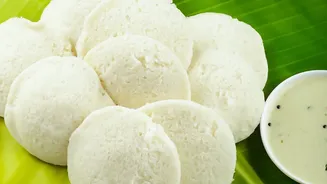
like B-vitamins and magnesium. What's often left is a product high in simple carbohydrates and added sugars, which can cause a rapid spike in blood sugar followed by an energy crash. In contrast, traditional Indian breakfasts like poha (flattened rice) and idli (steamed rice cakes) are typically made from less processed ingredients. Poha is a good source of complex carbohydrates, which provide a slow and steady release of energy. When cooked with vegetables and peanuts, it becomes a balanced meal with added fibre, vitamins, and healthy fats. Idli, made from a fermented batter of rice and urad dal, offers a combination of carbohydrates and protein.
Gut Health and Digestion
A key advantage of certain regional breakfasts is their benefit to gut health. Idli, dosa, and dhokla are made from batters that are fermented overnight. This fermentation process not only makes them easier to digest but also enriches them with probiotics—beneficial bacteria that support a healthy gut microbiome. A healthy gut is linked to better digestion, improved nutrient absorption, and a stronger immune system. Poha is also known for being light on the stomach and easy to digest, making it an excellent choice for a morning meal that won't cause bloating or sluggishness. Processed cereals, lacking this live, fermented quality and often low in fibre, do not offer the same digestive benefits. The high heat and pressure from manufacturing can alter the grain's natural structure, making it a less ideal choice for gut wellness.
The Energy and Satiety Factor
For anyone leading an active lifestyle, sustained energy is crucial. The type of carbohydrates you consume plays a big role here. Processed cereals deliver simple carbs that break down quickly, providing a fast but short-lived energy boost. This can lead to mid-morning hunger pangs and cravings for more sugary snacks. Traditional breakfasts built on complex carbohydrates offer a more stable and lasting source of fuel. The fibre in poha and the combination of protein and carbs in idli slow down digestion, promoting a feeling of fullness, or satiety, that lasts for hours. This helps prevent overeating throughout the day and keeps energy levels consistent, whether you're heading to the gym or navigating a busy workday.
Avoiding Hidden Sugars and Additives
One of the biggest criticisms against packaged cereals is their high content of hidden sugars and artificial additives. Sugar is often one of the top ingredients, and excessive intake is linked to numerous health issues, including weight gain and an increased risk of type 2 diabetes. Health claims on boxes like “low-fat” or “multigrain” can sometimes be misleading, masking a nutritionally poor product. When you prepare a traditional breakfast at home, you have complete control over the ingredients. There are no hidden preservatives, artificial flavours, or excessive amounts of sugar. This “clean eating” approach provides not just physical benefits but also a psychological comfort, connecting people to their culinary heritage and the satisfaction of consuming a freshly prepared, wholesome meal.