



The Significance of the Award
The selection by a major travel publication like Travel + Leisure is a significant boost for India's tourism sector, which aims to attract 100 million international visitors annually by 2047. The award validates the country's shift from a budget backpacker
route to a destination offering profound, luxurious, and meaningful travel experiences. As travellers increasingly seek authenticity over simple comfort, India's blend of ancient heritage and modern hospitality is perfectly positioned. This recognition not only celebrates its famous landmarks but also encourages exploration of its lesser-known corners, from remote islands to vibrant urban neighbourhoods.
Delhi: A City of Cities
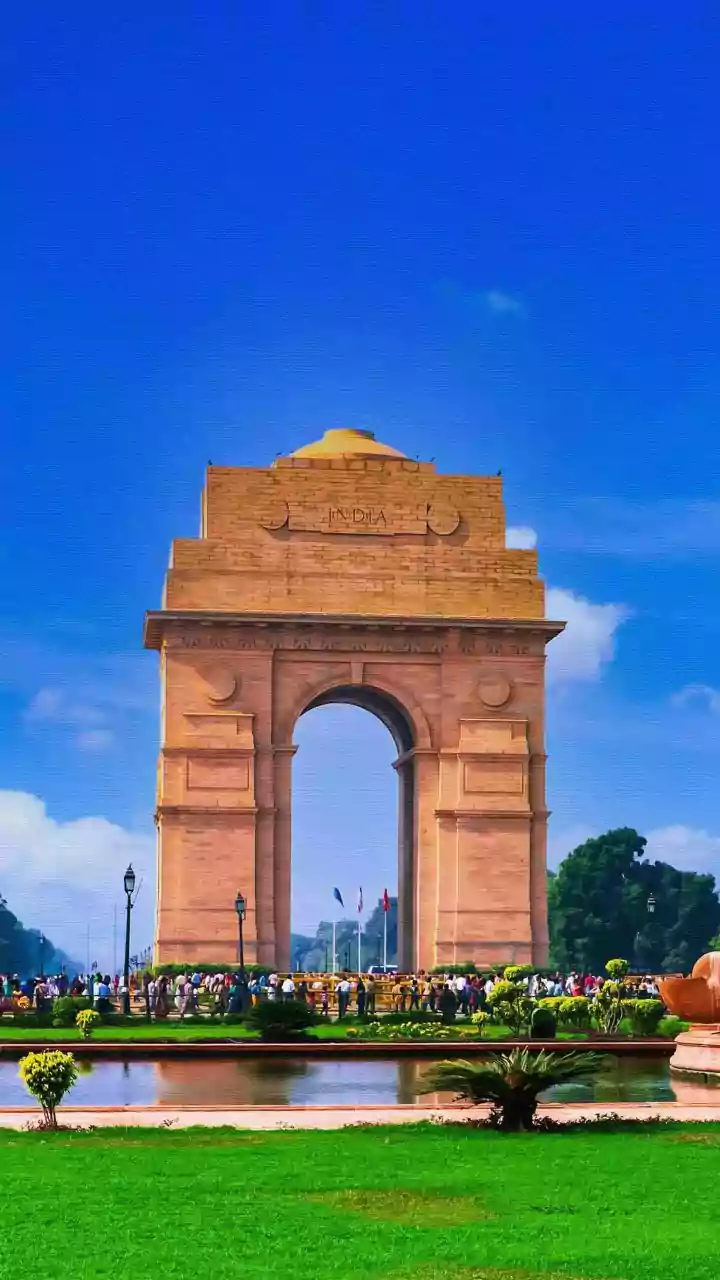
No exploration of India's historic heart is complete without Delhi. The capital is a sprawling metropolis where centuries coexist. In Old Delhi, established as Shahjahanabad in the 17th century, the legacy of the Mughal Empire is palpable in the grandeur of the Red Fort, a UNESCO World Heritage Site, and the sprawling Jama Masjid. The city's history is layered, with subsequent eras leaving their own architectural marks, from the towering Qutub Minar, the world's tallest brick minaret, to the colonial-era elegance of India Gate. Delhi is not just a collection of monuments but a living museum, where ancient ruins and bustling markets tell the story of a city that has been a seat of power for centuries.
Varanasi: The Spiritual Epicentre
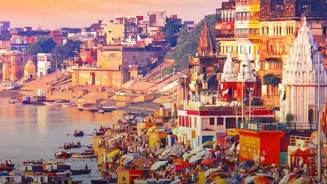
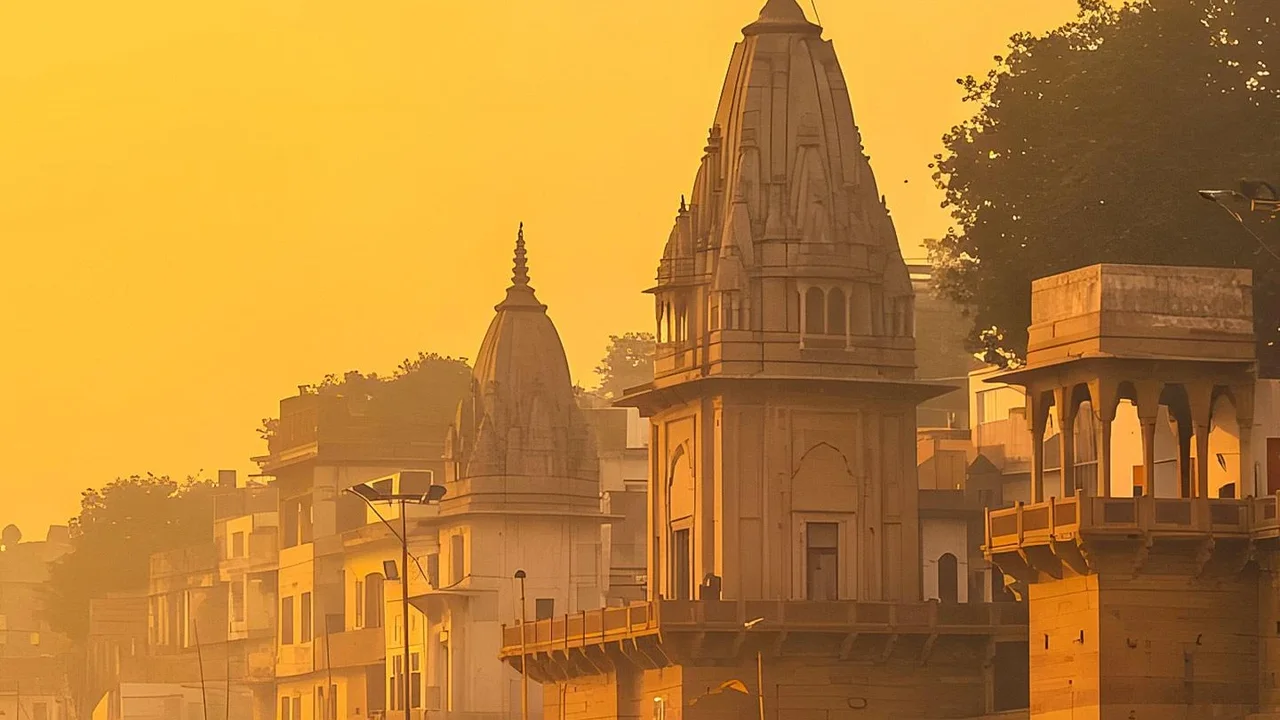
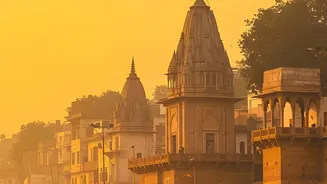
Varanasi, also known as Kashi, is one of the world's oldest continuously inhabited cities and a spiritual hub for Hindus. Life in this sacred city revolves around the ghats, the stone steps leading down to the River Ganga. Every morning begins with sunrise rituals at places like Assi Ghat, and every evening concludes with the spectacular Ganga Aarti ceremony at Dashashwamedh Ghat. The city is a maze of narrow lanes, ancient temples like the revered Kashi Vishwanath Temple, and vibrant bazaars. A visit here is an immersive cultural experience, offering a profound glimpse into rituals of life and death that have remained unchanged for millennia.
Jaipur: The Royal Pink City
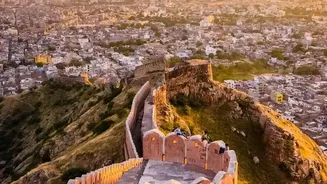
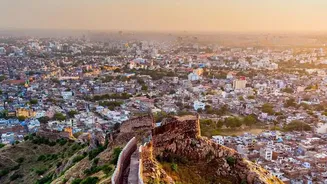
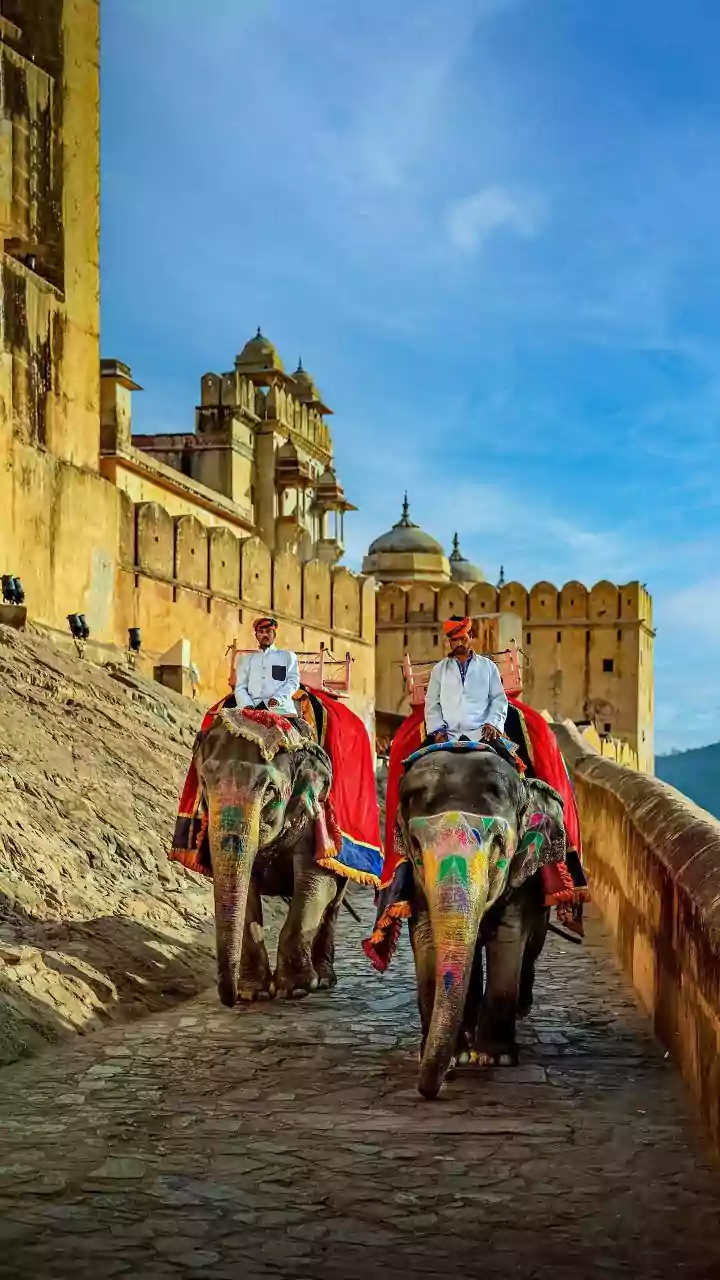
Known as the 'Pink City' for the distinctive colour of its buildings, Jaipur is the capital of Rajasthan and a cornerstone of India's famed Golden Triangle. Founded in 1727, the city is a masterpiece of urban planning, based on Indian Vastu principles. Its skyline is dominated by magnificent forts and palaces. The hilltop Amer Fort is a stunning example of Rajput architecture, while the City Palace, still home to the royal family, offers a glimpse into a regal past. The city's most iconic landmark is arguably the Hawa Mahal, or 'Palace of Winds', a five-storey facade of 953 windows built so royal women could observe street life unseen.
Hampi: Ruins of a Forgotten Empire
The ruins of Hampi in Karnataka are a designated UNESCO World Heritage site, preserving the remnants of the Vijayanagara Empire, once one of the world's wealthiest cities. The surreal landscape is scattered with over 1,600 surviving structures, including temples, royal enclosures, and giant granite boulders. Key monuments include the Virupaksha Temple, which has been an active place of worship since the 7th century, and the Vittala Temple complex, famous for its iconic Stone Chariot and musical pillars. Exploring Hampi feels like stepping back in time to witness the grandeur of a powerful South Indian empire that fell in 1565.
Kolkata: The Cultural Capital's Colonial Charm
As the former capital of British India, Kolkata is an open-air museum of colonial architecture. The city's grandeur is evident in landmarks like the magnificent Victoria Memorial, a marble monument showcasing a blend of British and Mughal styles, and the Writers' Building, a Greco-Roman masterpiece that was once the seat of British power. Heritage walks through areas like Dalhousie Square reveal stories of the East India Company and the British Raj. Beyond the monumental, Kolkata's charm lies in its intellectual and cultural vibrancy, from the historic Indian Museum to the ancestral home of Rabindranath Tagore.