




From Reactive Fixes to Proactive Strategy
Many property owners fall into a reactive cycle, only fixing things when they break. However, a structured maintenance plan transforms upkeep from a chore into a smart financial strategy. Regular, preventative maintenance helps catch minor issues before
they escalate into expensive disasters, such as water damage or structural problems. This approach not only preserves your property's value but also keeps tenants happy, leading to longer stays and reduced turnover. A well-maintained home demonstrates professionalism and care, fostering a better landlord-tenant relationship. Creating a simple calendar for monthly, quarterly, and annual checks ensures nothing is overlooked, from safety devices to major systems.
The Critical Hunt for Damp Spots
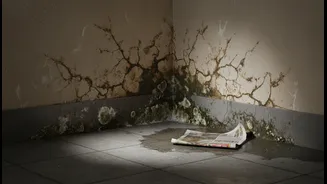
Moisture is a home’s quiet enemy. Damp spots on walls or ceilings, peeling paint, or a persistent musty odour are red flags that should never be ignored. These are often signs of a hidden leak in the plumbing or a breach in the building's exterior. In India, the monsoon season makes properties particularly vulnerable to water ingress. A maintenance calendar should include pre- and post-monsoon inspections of the roof, walls, and window seals to prevent water damage. Inside, regularly check under sinks, around toilets, and near water heaters. Addressing the source of dampness promptly prevents the growth of mould, which can pose health risks and lead to significant structural decay.
Why You Can't Ignore Your Drains
A clogged drain is more than an inconvenience; it can be a symptom of a larger problem or the cause of one. Preventative drain maintenance is essential for any rental property. Regular cleaning can stop the buildup of hair, grease, and other debris that leads to blockages. Encourage tenants to use drain strainers and to avoid pouring fats or oils down the kitchen sink. Your maintenance schedule should include periodically flushing drains with hot water. For more persistent issues, a professional inspection can identify problems within the plumbing system, like tree root intrusion, before they cause a major backup and water damage. This proactive step is far less expensive than an emergency plumbing call.
The High Value of Small Repairs
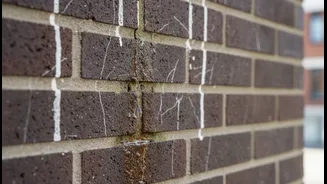
Most expensive home repairs begin as something small and easy to overlook. A tiny crack in the caulk around a window, a dripping tap, or a loose handrail might not seem urgent, but they can lead to significant damage over time. Water is often the culprit; failed seals around windows or in a shower allow moisture to seep into walls, causing rot and mould. Regularly walking through the property to tighten loose fixtures, patch small cracks in drywall, and touch up peeling paint protects the underlying structure. These minor fixes take little time and money but offer a huge return on investment by preventing the need for major renovations down the line.
Building Your Annual Maintenance Plan
Creating your rental maintenance calendar doesn't have to be complicated. Start by breaking tasks down by frequency. Monthly checks could include testing smoke detectors and looking for leaks under sinks. Quarterly tasks might involve cleaning drains, inspecting for pests, and checking appliance filters. Annually, schedule deeper maintenance like servicing HVAC systems, inspecting the roof, and deep cleaning gutters, especially before the monsoon. Documenting these checks creates a valuable record of the property's upkeep. This organised approach not only helps you budget for expenses but also provides peace of mind that your investment is being properly protected.