

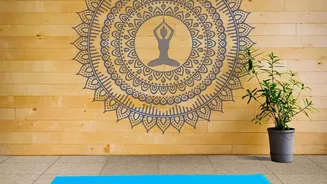
Find Your Dedicated Corner
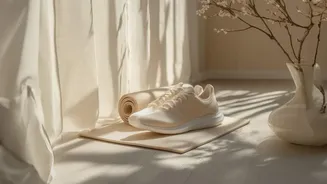
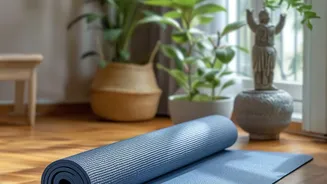
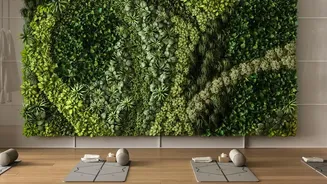
The first step is to choose your space with intention. This doesn’t need to be an entire room; a small, underutilised area can be perfect. Look for a quiet spot that feels comfortable and has minimal distractions. A corner in your bedroom, a nook in the
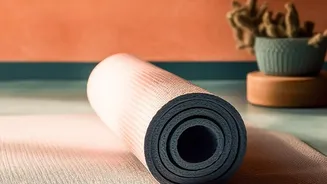
living room, or a space near a window with natural light can work wonderfully. The goal is to designate a spot that your mind will begin to associate with relaxation and focus. Even if you live in a small apartment, you only need enough room to roll out your mat. The consistency of returning to the same spot is more important than the size of the space itself.
Declutter and Define the Space
Once you've chosen your spot, the next step is to clear it of any clutter. A tidy, minimalist area helps create a calm mind, free from the mental noise of everyday life. Remove anything that doesn't serve your practice. If you can't move large furniture, consider using a simple folding screen or a curtain to hide it from view and define the space. Keep the area clean and organized, perhaps using an attractive basket to store your props when not in use. The goal is to remove friction and make starting your practice feel effortless.
Repurpose Household Items as Props
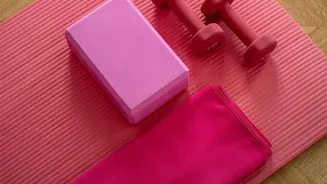
You don't need to buy a full set of new yoga props. Many everyday items can serve the same purpose effectively. For yoga blocks, which help 'raise the floor' in certain poses, a stack of sturdy books secured with a belt or rubber bands is an excellent substitute. Instead of a bolster for restorative poses, roll a few thick towels or a firm blanket tightly. A couch cushion can also provide support. For a yoga strap to assist with stretching, a robe tie, a necktie, or a long scarf will work perfectly.
Engage Your Senses for Ambiance
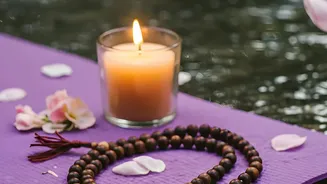
Creating a studio-like atmosphere is about engaging the senses. For lighting, you don't need fancy installations. Simply use the lamps you already have to create soft, layered light, or rely on natural light during the day. Candles or string lights can also create a gentle, warm glow. For sound, you can find countless free meditation playlists or nature soundscapes online. For scent, if you don't own an essential oil diffuser, you can simmer cinnamon sticks and cloves in a small pot of water on the stove for a comforting aroma. The idea is to build sensory cues that signal to your mind it's time to relax.
The Power of a Simple Towel
Never underestimate the versatility of a simple towel. Beyond being rolled into a makeshift bolster, a standard bath or beach towel can provide cushioning for your knees or hips on a hard floor. If you find your hands slipping during practice, especially on a mat with a closed-cell structure, a towel can provide extra grip. While specialized yoga towels are designed to absorb sweat and have non-slip backings, a regular towel placed under your hands can serve a similar function in a pinch, making your practice safer and more focused. You can even use it as a hygienic layer if you're practicing on a communal or borrowed mat.