






What Makes a Protein 'Complete'?
Before comparing any protein powders, it's essential to understand what makes a protein source 'complete'. Proteins are made of building blocks called amino acids. Our bodies need 22 different amino acids to function, but nine of them, known as essential amino acids (EAAs),
cannot be produced by the body. We must get these nine from our diet. A protein source is considered 'complete' when it contains all nine of these essential amino acids in sufficient quantities to meet the body's needs. Animal-based proteins like meat, eggs, and dairy (including whey) are naturally complete proteins.
The Plant Protein Puzzle
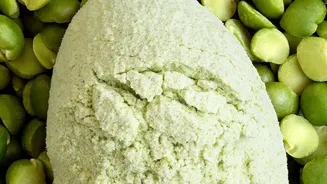
Historically, a knock against many plant-based proteins was that they were 'incomplete'. This isn't entirely true; most plant proteins contain all nine essential amino acids, but they are often low in one or two, making their profile unbalanced. This is where the concept of a 'limiting amino acid' comes in. For example, pea protein, which is extracted from yellow split peas, is a fantastic source of branched-chain amino acids (BCAAs) and is particularly rich in lysine. However, it tends to be low in another essential amino acid, methionine. On the other hand, brown rice protein is low in lysine but contains higher levels of methionine and cysteine. Taken alone, neither offers a perfectly balanced profile.
How Blending Creates a Complete Profile
This is where the magic of synergy comes into play. By combining pea protein and brown rice protein, their individual weaknesses are cancelled out. The high lysine content in pea protein compensates for the lack of it in rice protein. Conversely, the higher methionine content in rice protein fills the gap left by pea protein. The result is a multi-source plant protein with a robust and complete amino acid profile, supplying all nine essential amino acids in effective amounts. This strategic combination provides a profile that is superior to any single plant protein source and functionally equivalent to many animal proteins.
Plant Power vs. Whey: A Head-to-Head Look
So, how does this complementary blend stack up against whey, the long-reigning champion of the supplement world? Whey protein is prized for its high bioavailability and complete EAA profile, earning it a top score of 1.0 on the Protein Digestibility Corrected Amino Acid Score (PDCAAS). However, research shows that a carefully formulated pea and rice protein blend can also achieve a perfect PDCAAS score of 1.0. Multiple studies comparing the effects of pea protein or rice protein against whey have found no significant differences in muscle growth, thickness, strength gains, or recovery when total protein intake is matched. For the vast majority of users, from casual gym-goers to dedicated athletes, the plant-based blend provides the necessary building blocks for muscle repair and growth, just as effectively as whey.
Beyond Amino Acids: Other Factors to Consider
The choice between a pea/rice blend and whey often comes down to more than just protein content. For many, digestibility is a key factor. An estimated 65% of adults have a reduced ability to digest lactose, the sugar in milk, which can lead to bloating and discomfort when using whey protein. Pea and rice blends are hypoallergenic and free from dairy, soy, and gluten, making them a gentler option for those with sensitivities. Furthermore, plant-based proteins have a significantly lower environmental footprint, requiring less water and land and producing fewer emissions than dairy-based proteins. While whey may have a slight edge in absorption speed, which might appeal to elite bodybuilders, for most people's wellness and fitness goals, the benefits of a plant-based blend make it a compelling and equally effective choice.