

A Reaction Against 'Fast Furniture'
For years, the home decor market has been dominated by 'fast furniture'—mass-produced, inexpensive items often made from plastic, particleboard, and other synthetic materials. While convenient, this model encourages a disposable mindset, contributing
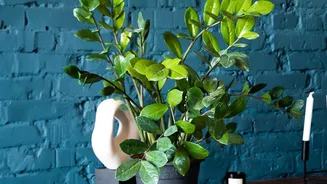
to landfill waste and a sense of sameness in our living spaces. Gen Z, a generation defined by its environmental awareness, is leading the backlash. They are increasingly questioning the lifecycle of their purchases, from sourcing to disposal. This conscious consumerism is a direct response to growing up amid conversations about climate change and pollution, leading them to seek alternatives that are both beautiful and sustainable. Instead of plastic planters and synthetic rugs, they are looking for pieces with a story, a soul, and a smaller environmental footprint.
The Pull of Authenticity and Sustainability
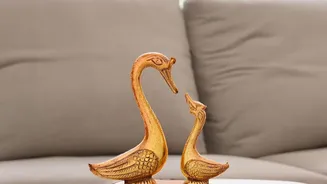
More than any generation before, Gen Z values authenticity and self-expression. They see their homes as extensions of their identity, spaces to be curated with meaningful objects rather than filled with fleeting trends. This desire for connection and purpose naturally leads them toward handmade goods. Traditional Indian handicrafts, by their very nature, are the antithesis of mass production. They are made from natural, locally sourced materials and carry the imprint of the artisan who created them. This aligns perfectly with Gen Z's preference for ethical and transparent sourcing. They want to know who made their decor and what it's made from, transforming a simple purchase into a statement of values.
Rediscovering India's Artisanal Heritage
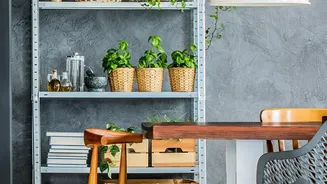
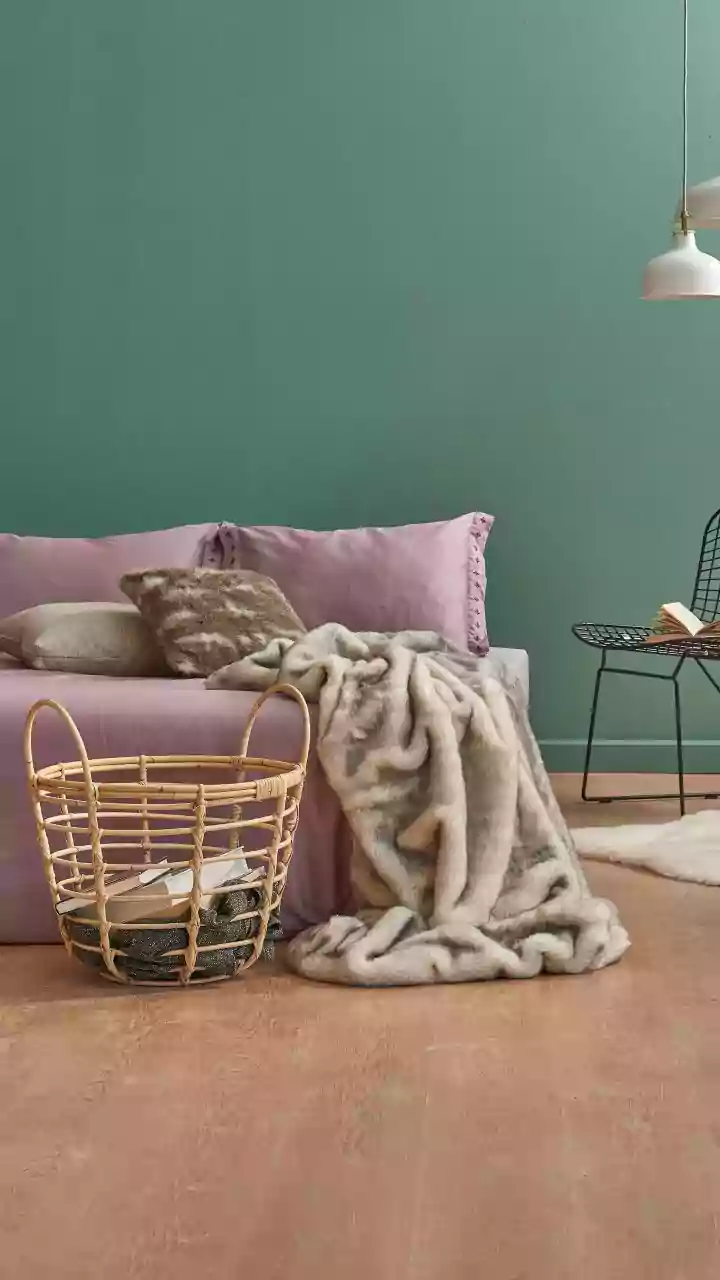
The shift toward plastic-free living has opened a treasure chest of Indian craft traditions. Earthen materials are seeing a major revival. Terracotta, for example, is no longer just for humble pots but is being embraced for its cooling properties and raw, earthy aesthetic in everything from tableware to decorative tiles. Similarly, natural fibres like jute and bamboo are being woven into stylish rugs, baskets, and lighting fixtures that add texture and warmth to modern homes. Textiles like block-printed cottons and handwoven durries offer a colourful and sustainable alternative to synthetic fabrics. These crafts, once seen as rustic or old-fashioned, are now being celebrated for their timeless beauty and eco-friendly credentials, fitting perfectly into contemporary interior styles from minimalist to bohemian.
The Modern-Meets-Traditional Aesthetic
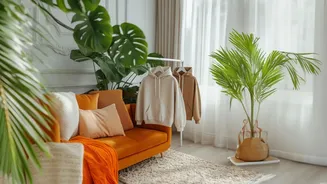
This isn't just about bringing old things into a new house; it's about reinterpretation. Gen Z is not simply replicating their grandparents' homes. Instead, they are skilfully blending traditional pieces with modern design. An intricately carved wooden jharokha might frame a minimalist modern wall, or a classic cane chair might sit next to a sleek, contemporary sofa. This fusion creates a space that feels personal, sophisticated, and deeply rooted in culture without being dated. Young designers are also playing a crucial role, adapting traditional motifs and techniques for a global audience and making heritage crafts feel fresh and relevant to today's design-conscious consumer. Social media platforms like Instagram and Pinterest are amplifying this trend, showcasing how these handcrafted items can be styled in chic, aspirational ways.
More Than a Fleeting Trend
The move toward traditional handicrafts is more than just a passing aesthetic. It represents a meaningful shift with significant economic and cultural impact. By choosing handmade products, consumers are directly supporting artisan communities, helping to preserve ancient skills that have been threatened by industrialisation. This revival provides a vital livelihood for millions of craftspeople, many in rural areas, and fosters a sense of pride in India's rich cultural heritage. For the consumer, it offers a way to create a home that is not only stylish and sustainable but also filled with objects that have character and a story to tell. It’s a return to conscious consumption, where the value of an object lies not in its price tag, but in its craftsmanship and soul.