



The Allure of the Monsoon Ghats
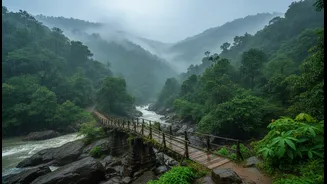
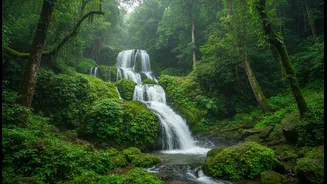
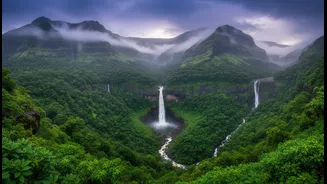
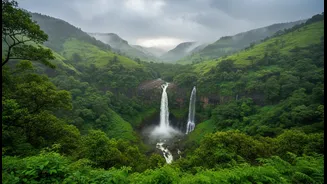
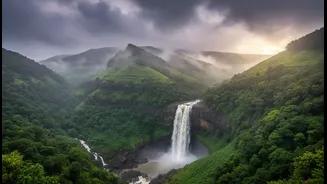
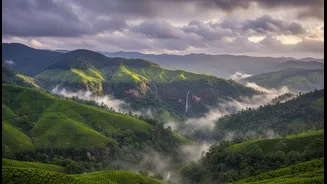
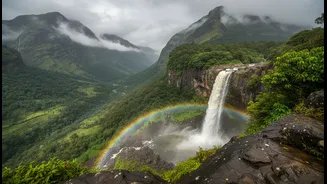
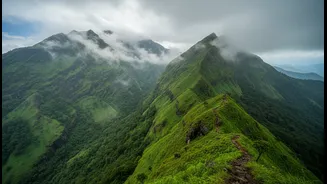
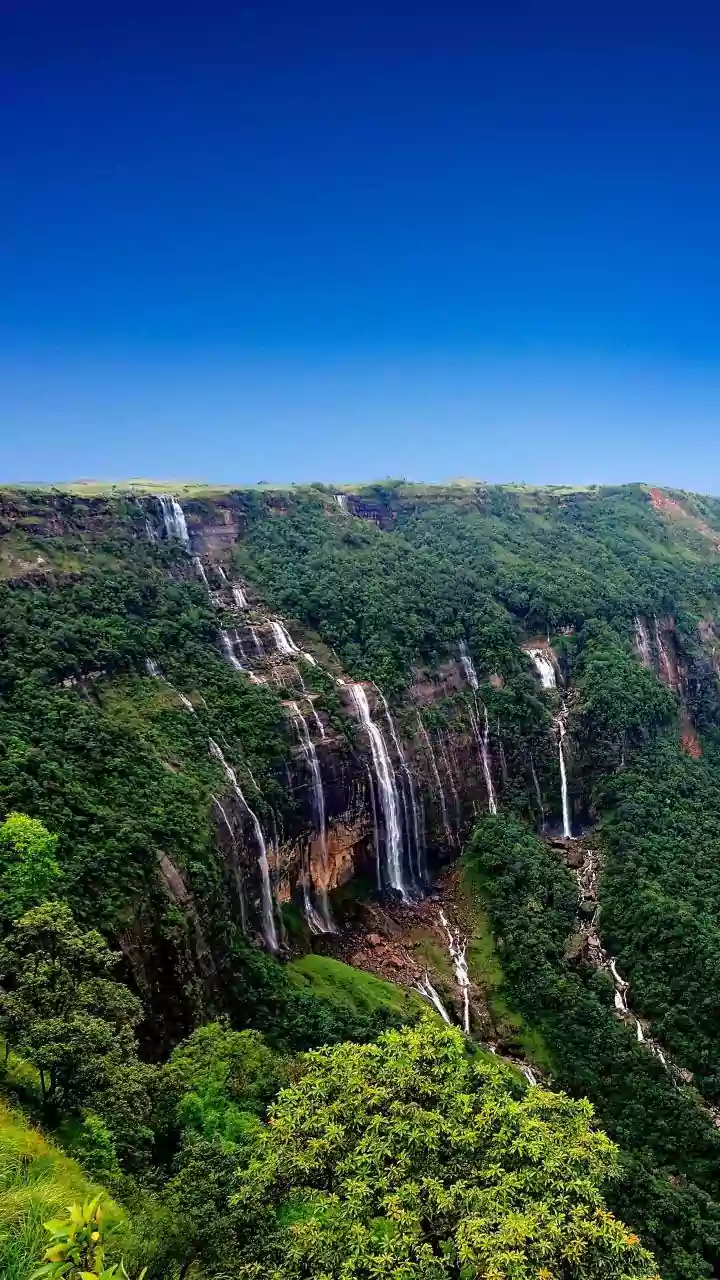
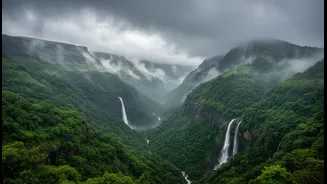
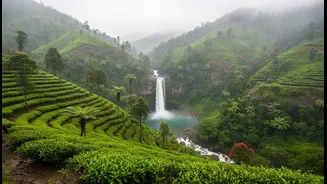
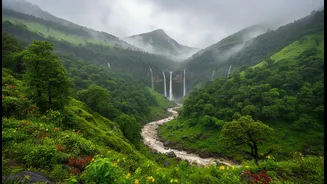
There is a reason why travellers flock to the Western Ghats between June and September. The entire landscape, a UNESCO World Heritage site, awakens under the rains. Hills wrapped in every shade of green, waterfalls gushing down ancient rocks, and valleys
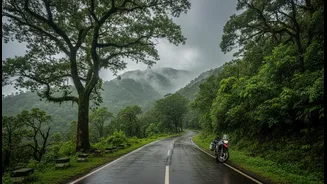
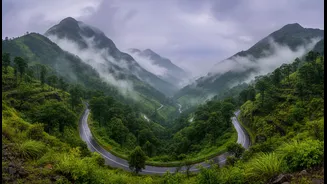
filled with mist create a truly magical experience. Destinations like Malshej Ghat in Maharashtra, Wayanad in Kerala, and Agumbe in Karnataka become particularly atmospheric, offering dramatic vistas that are a world away from the summer heat. It's a season where nature puts on its grandest show, attracting trekkers, photographers, and anyone looking for a serene escape. However, this beauty is paired with significant risks that require careful planning.
Before You Go: The Crucial First Steps
The most important part of your trip happens before you even leave home. During the monsoon, weather in the hills can change in minutes. Always check the latest weather forecasts from the India Meteorological Department (IMD) for the specific district you plan to visit. Local authorities often issue advisories and may restrict access to certain trails, waterfalls, or ghat roads due to heavy rain, landslides, or high water levels. For many trekking routes in states like Karnataka, obtaining an online permit is now mandatory. Never ignore these warnings. It is far better to postpone a trip than to get stranded or face a dangerous situation. Inform a friend or family member about your detailed itinerary and expected return time.
Gear Up for a Wet and Wild World
Your gear can make or break your monsoon adventure. Cotton is your worst enemy; it soaks up water and can lead to hypothermia. Opt for quick-drying synthetic T-shirts and trousers. The most critical item is proper footwear. Choose trekking shoes with a deep, high-traction grip to handle slippery rocks and muddy paths. A sturdy poncho or a two-piece rain suit (jacket and pants) is non-negotiable to keep you dry. Protect your belongings with a waterproof backpack cover and use dry bags or sealed polybags internally for electronics, wallets, and a spare set of dry clothes. A trekking pole provides an extra point of contact with the ground, which is essential for stability on slippery descents.
Navigating the Trail Safely
Once you are on the trail, vigilance is key. Always stick to marked paths and, if you're unfamiliar with the area, hire an experienced local guide. Shortcuts can lead you into dangerous, unstable terrain. Be extremely cautious around waterfalls and streams. What looks like a gentle flow can become a raging torrent in minutes after a downpour upstream. Never attempt to cross swollen rivers. Another common mistake is getting too close to cliff edges for selfies, especially when the ground is loose and slippery. Visibility can drop suddenly due to fog, so start your trek early in the day and plan to be back before late afternoon. Finally, do not rely solely on mobile maps, as network coverage is often non-existent in remote areas.
High-Risk Zones to Reconsider
While the Ghats are beautiful, some areas are notoriously hazardous during heavy monsoon spells and are best avoided. Trails with near-vertical climbs, narrow gullies prone to flash floods, or routes that involve crossing multiple streams are particularly dangerous. Regions like the Idukki district in Kerala, parts of Wayanad, and certain high-altitude passes in Maharashtra and Karnataka have seen severe landslides. Unregulated construction and tourism have made some slopes more fragile. If authorities have issued red or orange alerts for a region, it's a clear signal to change your plans. Safer alternatives often exist in nearby areas with better infrastructure and less extreme terrain.
Respect the Environment
A safe trip also means being a responsible one. The Western Ghats are an ecologically sensitive biodiversity hotspot. The influx of tourists during the monsoon can put a strain on the local environment. Carry back everything you bring with you, especially plastic wrappers and bottles. Avoid using loud music, which can disturb wildlife. Consuming alcohol is often prohibited in these areas and can impair your judgment, increasing safety risks. By practicing responsible tourism, you not only ensure your own safety but also help preserve the pristine beauty of the Ghats for everyone to enjoy in the future.