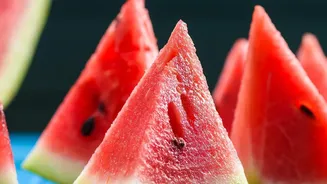





In most Indian kitchens, the story of a watermelon ends with its sweet, red flesh. The thick green rind is often discarded without a second thought. But what if that leftover peel was the key to a sabzi more flavourful than your usual lauki?
The Kitchen's Unsung Hero
The movement
towards zero-waste cooking is gaining traction, and for good reason. It’s not only sustainable but also pushes us to find culinary potential in overlooked ingredients. This philosophy isn't new; traditional Indian cooking has long embraced a 'root-to-shoot' approach, using every part of a vegetable. Think of chutneys made from vegetable peels or curries using banana stems. The watermelon rind, or 'tarbuj ka chilka', is a perfect example of this principle. Often dismissed, the white part of the rind is completely edible and incredibly versatile. Its journey from the compost bin to the dinner plate is a testament to the ingenuity that defines so much of our regional cuisine.
Why Rind Beats Gourd in the Flavour Game
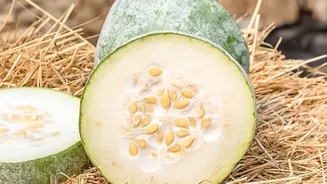
The headline makes a bold claim, so what's the logic? It comes down to texture and structure. Gourds like lauki (bottle gourd) or turai (ridge gourd) have very high water content and a soft, almost pulpy texture when cooked. While delicious, they can sometimes dilute the masalas, resulting in a milder dish. Watermelon rind, on the other hand, has a firm, crisp texture that's more comparable to a cucumber or summer squash. Its spongy surface is brilliant at soaking up spices and sauces without turning mushy. This allows it to act as a neutral canvas that fully absorbs the flavours you introduce, from a spicy tadka to a tangy tomato base, holding its shape and providing a satisfying bite that softer gourds can't always deliver.
From Peel to Pan: A Simple Guide
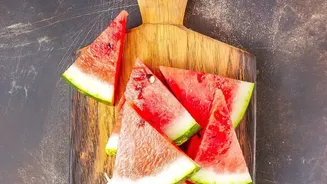
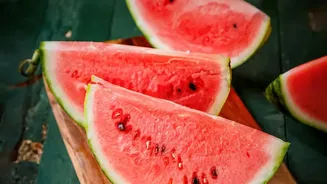
Preparing the rind is the most crucial step. First, slice the watermelon and separate the rind from the red flesh. Using a sturdy vegetable peeler or a knife, carefully remove the tough, thin, dark green outer skin; this part is edible but can be waxy and less pleasant in texture. You are left with the thick, pale white or light green part of the rind. This is your star ingredient. Cut this white rind into small, bite-sized cubes, about half to one inch in size. Ensure the pieces are relatively uniform so they cook evenly. A medium watermelon should yield a generous amount of rind, enough for a sabzi that serves a small family.
Our Go-To Masala for Rind Sabzi
With its neutral taste, watermelon rind pairs beautifully with a host of classic Indian spices. A simple, flavourful approach is often the best. Here’s a tried-and-tested combination. You'll need basic tempering ingredients like cumin seeds and perhaps a pinch of asafoetida (hing). For the powdered masalas, turmeric (haldi) for colour, red chilli powder for heat, and coriander powder (dhania) for earthy notes are essential. Some recipes also add amchur (dry mango powder) towards the end for a touch of sourness, which beautifully balances the dish. A bit of finely chopped ginger, garlic, and green chillies fried in oil at the start will build a powerful aromatic base for the sabzi.
Step-by-Step Spiced Sabzi
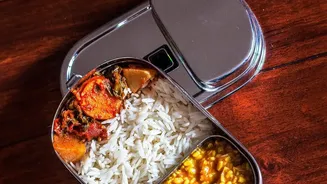
Ready to cook? Heat a couple of tablespoons of oil in a pan or kadhai. Add cumin seeds and let them splutter. Follow with chopped ginger, garlic, and green chillies, sautéing for a minute until fragrant. Add chopped onions if you like, and cook until translucent. Next, add your spice powders: turmeric, red chilli, and coriander. Stir for about 30 seconds before adding the cubed watermelon rind. Mix well to ensure every piece is coated in the masala. Add salt to taste and about a quarter cup of water. Cover the pan and let it cook on medium-low heat for 10 to 15 minutes, stirring occasionally. The sabzi is done when the rind is tender but still has a slight bite. You should be able to press a piece and have it break easily. Finish with a squeeze of lemon juice or a sprinkle of amchur and fresh coriander leaves.