



Understanding the Enemy: Bacterial Dermatitis
Bacterial dermatitis, known in veterinary circles as pyoderma, literally means "pus in the skin". It's a common skin infection that occurs when bacteria, often species like Staphylococcus that normally live harmlessly on your dog’s skin, begin to multiply
uncontrollably. This isn't a case of your dog catching a bug from another animal; it's an opportunistic infection. It happens when the skin's natural defences are broken down by things like scratches, allergies, or, most importantly, chronic moisture. This can lead to a range of uncomfortable symptoms, from pimple-like pustules and crusty sores to itchiness and hair loss.
The Micro-Climate Effect
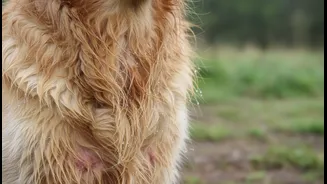
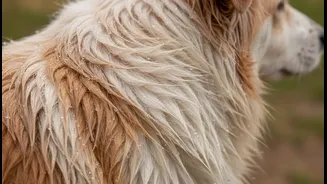
Imagine a tiny, humid jungle hidden right next to your dog's skin. This is the 'micro-climate' that forms when fur, particularly a dense undercoat, remains damp. A dog's body warmth heats the trapped water, creating a perfect, sauna-like environment. This warmth and humidity do two dangerous things: they soften and weaken the skin, making it easier for bacteria to invade, and they provide the ideal breeding ground for those same bacteria to flourish. Humid weather, such as during the Indian monsoon season, dramatically worsens this effect, making proper drying even more critical.
Which Dogs Are Most at Risk?
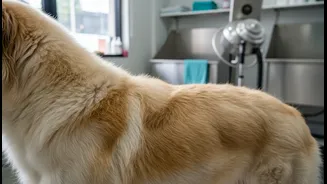
While any dog can develop pyoderma, some are far more susceptible. Breeds with thick, double coats are prime candidates. Think of German Shepherds, Golden Retrievers, Huskies, and Saint Bernards. Their dense undercoats are designed for insulation but are notoriously slow to dry, trapping moisture against the skin for extended periods. Similarly, dogs with numerous skin folds, like Pugs and Bulldogs, are at high risk because moisture and bacteria can easily accumulate in those wrinkles. Poor grooming that allows fur to become matted also increases the risk, as mats prevent air from circulating and lock in dampness.
Warning Signs to Watch For
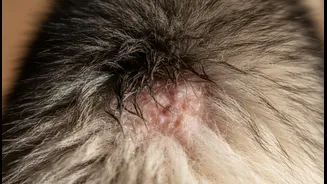
Early detection is key to preventing a minor issue from becoming a major one. Be on the lookout for incessant scratching, licking, or chewing at a particular spot. Visually inspect your dog’s skin for redness, inflammation, or rashes that look like human pimples. You might also see circular crusts, flaky skin, or patches of hair loss. A musty or foul odour coming from the coat, even after bathing, is another significant red flag. In some cases, the skin can feel moist or greasy to the touch. These painful, inflamed patches are often called 'hot spots'.
A Proactive Prevention Plan
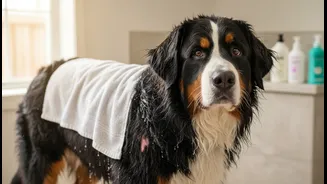
The best treatment is always prevention. The number one rule is to ensure your dog is dried thoroughly after every bath, swim, or walk in the rain. For double-coated dogs, this may require using a high-velocity pet dryer, as towel drying alone often isn't enough to reach the undercoat. Regular brushing is also vital; it removes loose hair, prevents mats from forming, and allows air to circulate to the skin. Avoid leaving damp collars on for long periods. During humid months, pay extra attention to your dog's coat, and consider more frequent grooming to keep their fur clean and tangle-free. This simple routine is your best defence against nasty skin infections.