

More Than Just a Healthy Latte
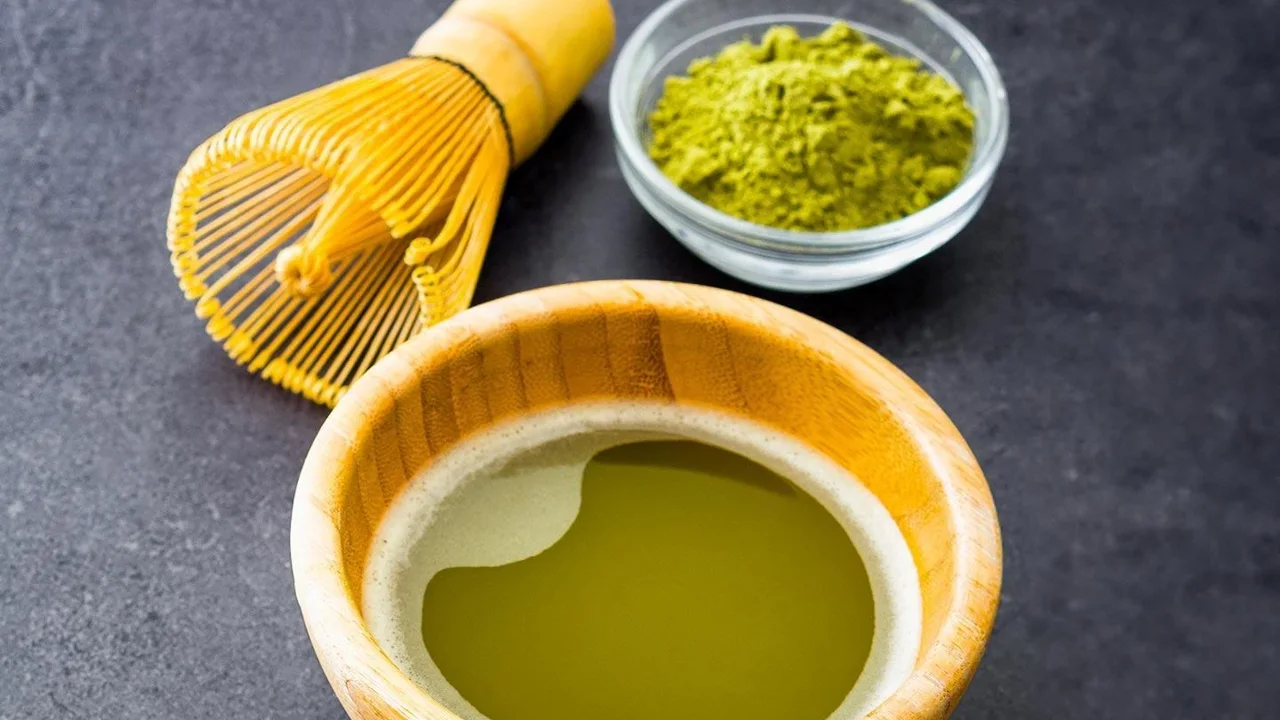
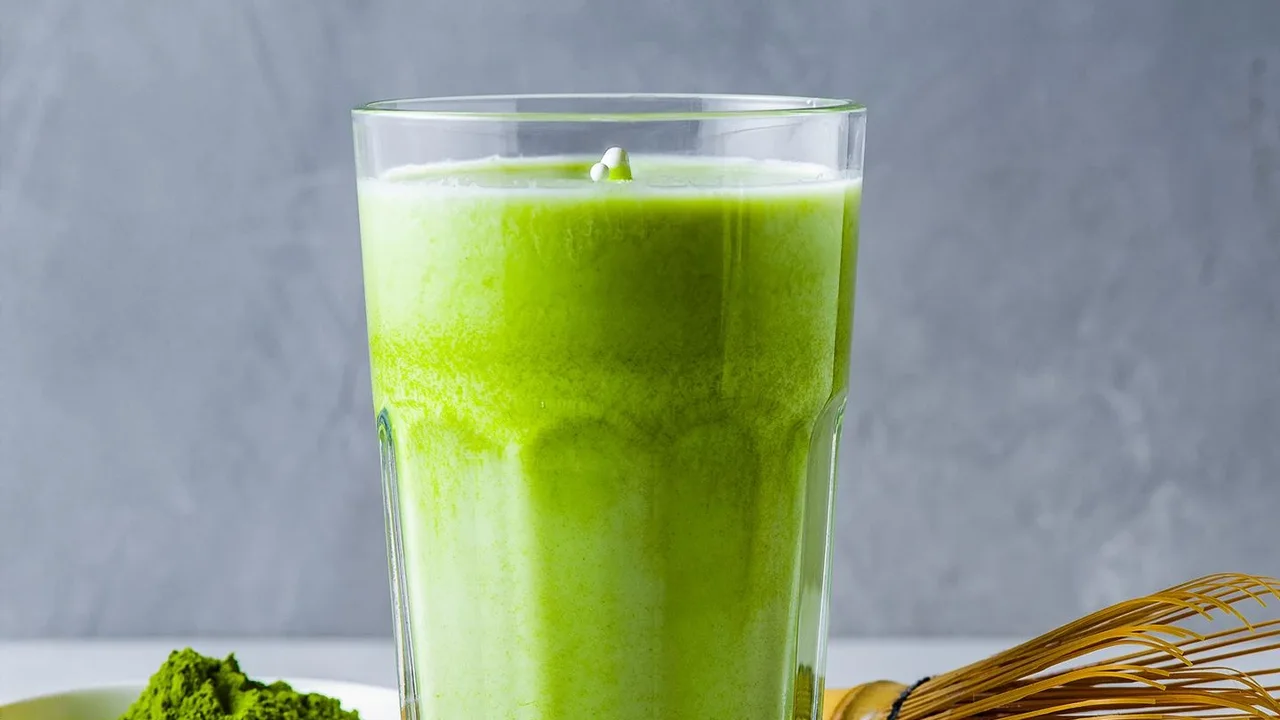
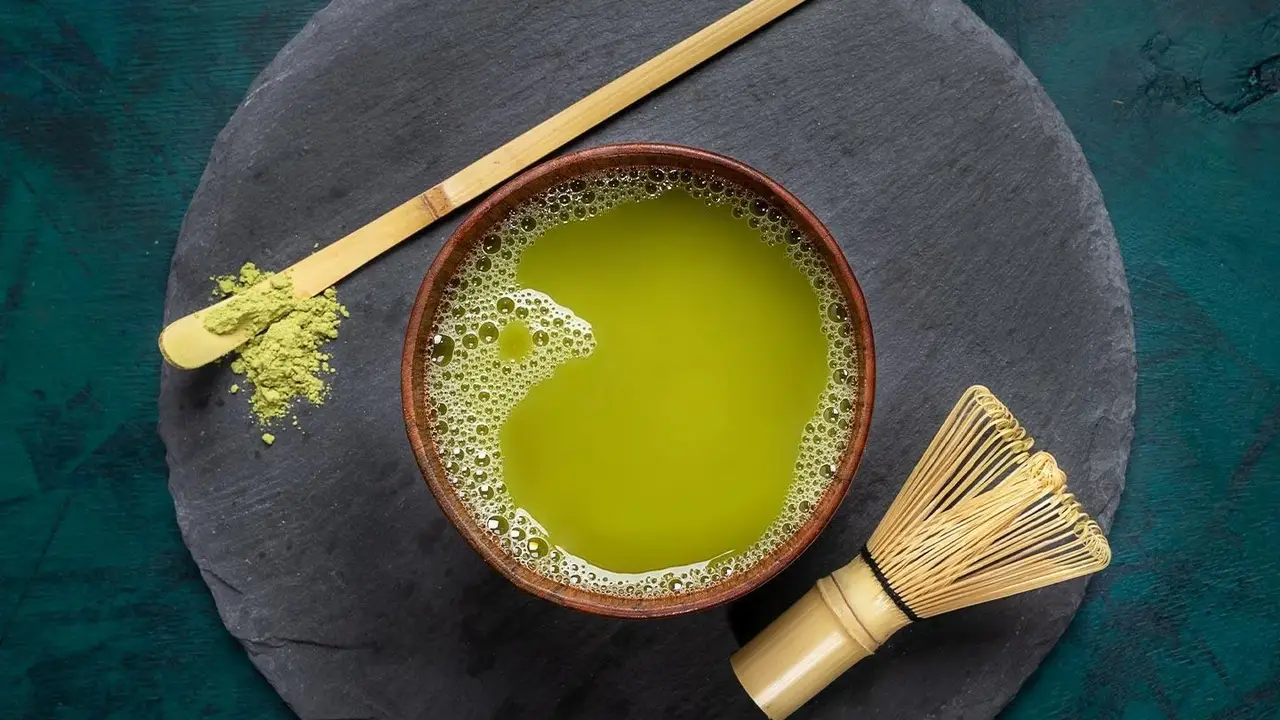
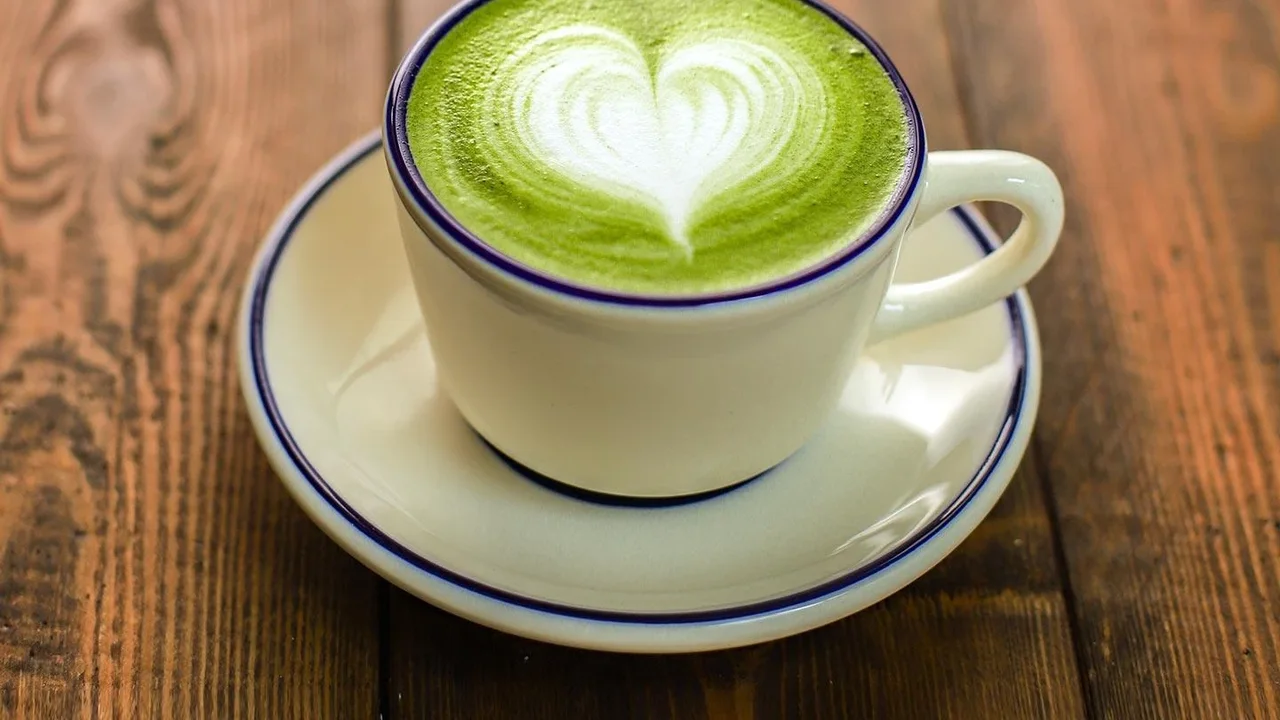
For years, matcha's fame was tied to its role as a trendy, antioxidant-rich alternative to coffee. This finely ground powder of specially grown green tea leaves, rooted in Japanese tea ceremonies, became a global wellness icon. But its journey didn't
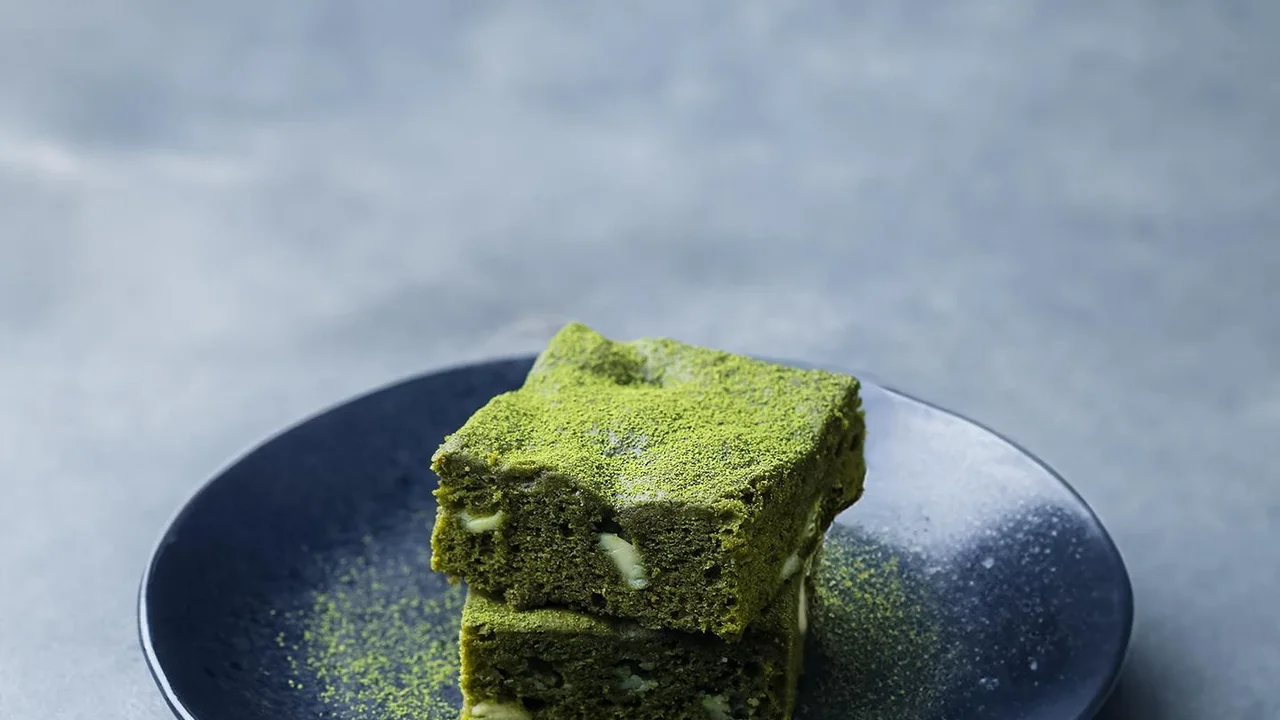
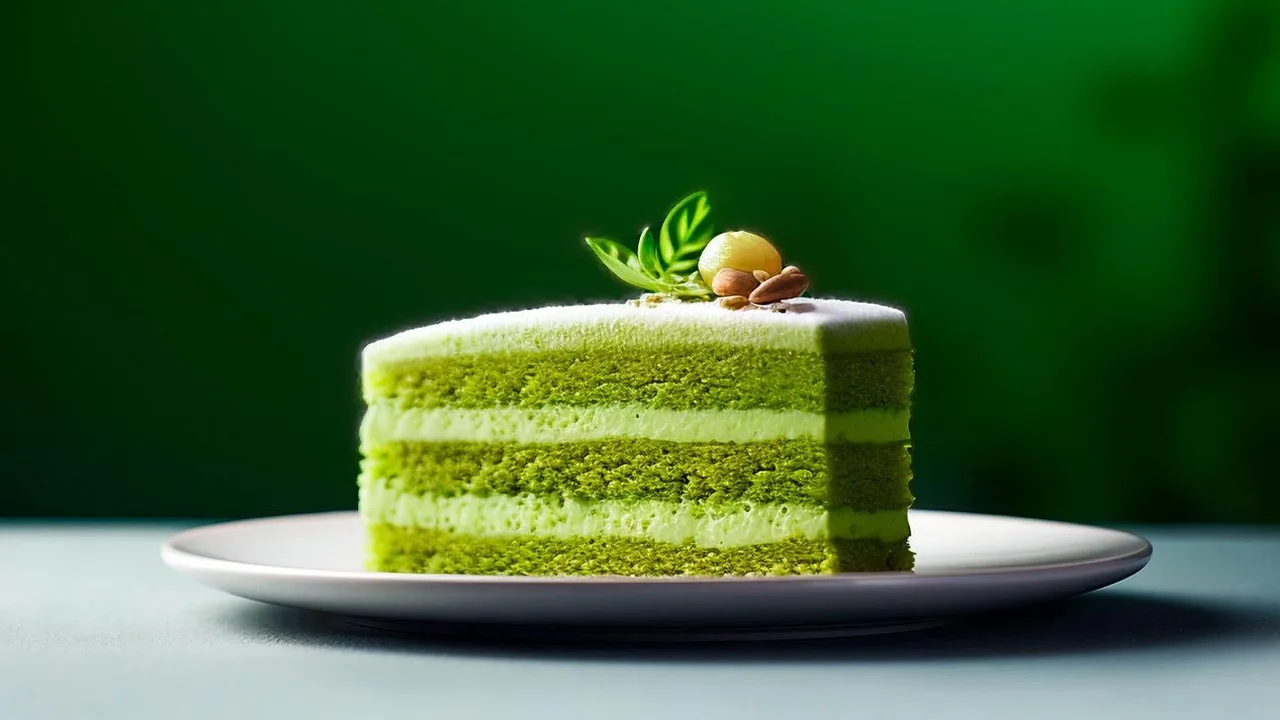
stop there. Driven by its unique flavour profile—a complex blend of earthy, grassy, and subtly sweet notes with a hint of umami—and its photogenic vibrant green colour, matcha has jumped from the cup to the plate. This shift is part of a larger trend where consumers, particularly Gen Z, are embracing global ingredients and visually appealing food, turning matcha into a social media star. Chefs and food creators have recognized its versatility, realizing that the very qualities that make it a soothing drink also make it a dynamic culinary ingredient.
A Desi Twist on a Japanese Classic
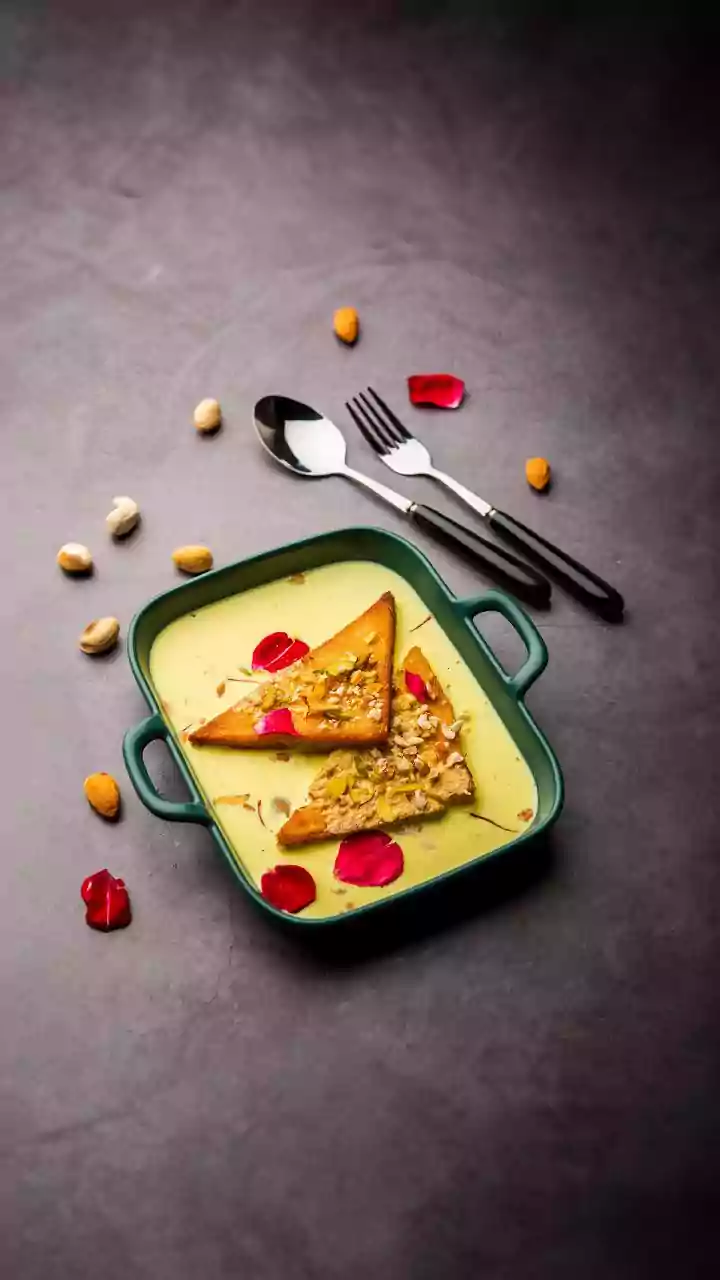
In India, the matcha wave is being met with incredible creativity, leading to fusions that blend Japanese tradition with beloved local flavours. Chefs are reimagining classic Indian sweets, resulting in treats like matcha peda, matcha barfi, and even mango matcha rabri. The logic behind these pairings is that matcha's slight bitterness and earthy tones cut through the richness of dairy-based mithai, creating a more balanced flavour profile. The fusion extends to snacks and meals, with some chefs experimenting with matcha-infused dhokla, khichdi, and matcha masala dosa tacos. While some creations like matcha jalebi and matcha biryani have sparked online debate, they highlight the endless curiosity and willingness to experiment in modern Indian kitchens. These fusions show how adaptable matcha is, pairing well with dairy, lentils, and even rice-based dishes.
The Savoury Side of Matcha
Perhaps the most surprising frontier for matcha is in savoury cooking. Its umami quality, the same compound that gives it a satisfying, savoury depth, makes it a fascinating addition to non-sweet dishes. One of the most popular savoury applications is matcha pasta. The powder can be mixed directly into the pasta dough, lending it a beautiful green colour and subtle earthy flavour, or whisked into a creamy sauce with parmesan and garlic. The umami in the matcha enhances the saltiness of the cheese, creating a rich and complex dish. Beyond pasta, chefs have used it as a secret ingredient in gnocchi with miso butter sauce, as a marinade for meats, and even sprinkled over avocado toast with goat cheese. Its ability to balance other flavours makes it an unexpectedly versatile tool in a chef's arsenal.
Perfect Pairings and Flavour Science
The success of these fusions isn't random; it's rooted in flavour science. Matcha's unique composition allows it to pair beautifully with a wide range of ingredients. Its slight bitterness is balanced by sweetness, which is why it works so well with white chocolate, berries, and coconut. The bright, acidic notes of citrus fruits like lemon or yuzu cut through matcha's earthiness, resulting in a lighter, more refreshing taste, a popular combination in both desserts and drinks. Meanwhile, its umami notes are amplified by other umami-rich foods like cheese, mushrooms, and meats. Even nuts like pistachio and almond complement it by adding a toasty, textural contrast. This versatility is why matcha can seamlessly feature in a creamy dessert one moment and a savoury main course the next.