




The Burnout from Calorie Counting
Remember the era of low-fat everything and meticulously logging every morsel of food into an app? For many, calorie counting became synonymous with restriction, anxiety, and a fraught relationship with food. It reduced eating to a pure numbers game, ignoring
food quality, nutrient density, and personal enjoyment. Younger generations, particularly Gen Z, witnessed the mental and emotional toll of this obsessive approach. They are actively rejecting diet culture that promotes guilt and deprivation, seeking a more sustainable and positive path to well-being. The focus is shifting from what can be subtracted (calories) to what can be added (nourishing, beneficial foods).
Meet Your 'Second Brain'
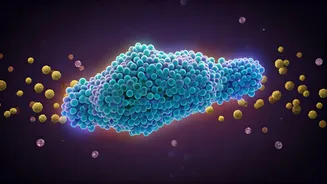
The real star of this new wellness movement is the gut microbiome—the trillions of bacteria, fungi, and other microbes living in your digestive tract. Scientists now refer to it as the 'second brain' due to its profound influence on everything from digestion and immunity to mood and mental health. The gut produces a significant amount of the body's serotonin, the 'feel-good' neurotransmitter. An imbalanced gut (dysbiosis) has been linked to issues like anxiety, depression, inflammation, and even chronic diseases. This understanding has transformed health from a simple weight-centric issue into a complex, interconnected system where nurturing your gut is fundamental to feeling good, both physically and mentally.
What a Gut-Friendly Diet Looks Like
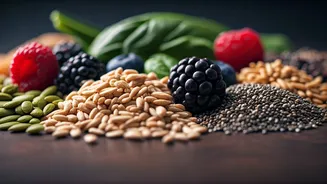
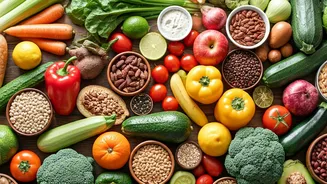
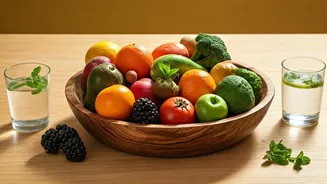
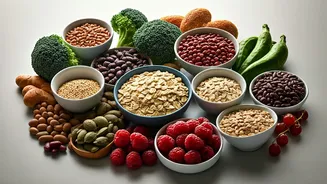
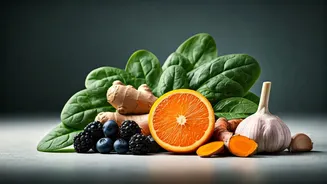
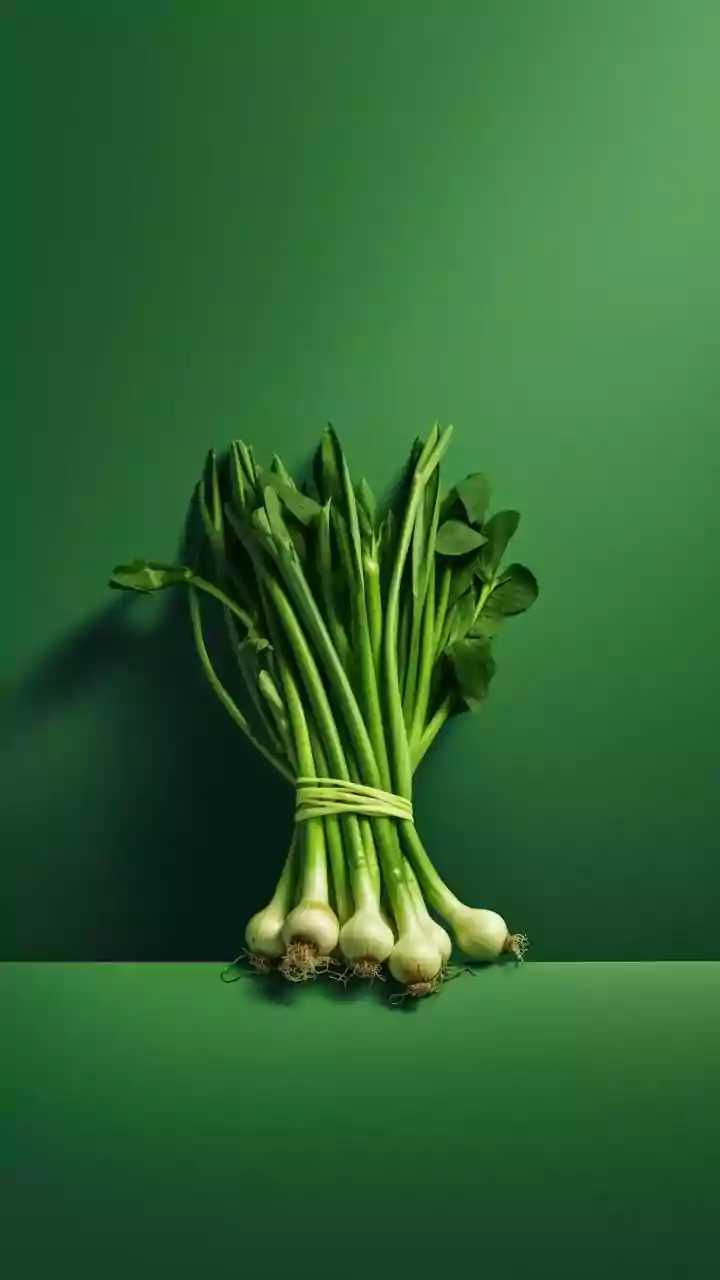
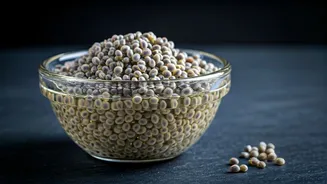
So, what does a 'gut health diet chart' actually entail? Unlike a calorie-restricted plan, it’s about diversity and inclusion. The goal is to feed the beneficial bacteria in your gut. This involves two key components: probiotics and prebiotics. Probiotics are live beneficial bacteria found in fermented foods like dahi (yoghurt), kefir, kimchi, and kombucha. Prebiotics are types of fibre that feed these good bacteria. They are found in foods like onions, garlic, bananas, oats, and legumes. A gut-friendly diet is therefore rich in fibre, a wide variety of plant-based foods, and fermented products. It’s less about restriction and more about creating a vibrant, diverse internal ecosystem.
The Influence of Social Media
Platforms like Instagram and TikTok have been instrumental in popularizing the gut health trend. While older social media waves were dominated by 'what I eat in a day' videos focused on low-calorie meals, today's wellness influencers are more likely to be seen brewing kombucha, explaining the benefits of fibre, or discussing the link between gut health and clear skin. They present a version of health that is holistic, science-backed (often simplified for a mass audience), and empowering. This digital shift has made concepts like the microbiome accessible and aspirational, framing it as a proactive way to take control of one’s health beyond the bathroom scale.
A Holistic and Intuitive Approach
Ultimately, the prioritization of gut health is part of a larger cultural shift towards a more holistic and intuitive view of wellness. It acknowledges that health is not just about weight. It encompasses energy levels, mental clarity, mood stability, and robust immunity. This approach encourages people to listen to their bodies' signals rather than blindly following external rules. Feeling bloated, sluggish, or anxious? Instead of cutting calories, the 'Next Gen' response is to ask: 'Have I been supporting my gut?' This marks a move from a prescriptive, one-size-fits-all model to a personalized, bio-individual approach to nourishment and self-care.