



The Effortless Garden
One of the most compelling reasons to embrace native flora is their sheer resilience. These plants have spent thousands of years adapting to your specific climate, soil, and rainfall patterns. [7, 12] Unlike exotic ornamentals that might struggle with
our intense summers or monsoon seasons, native species are genetically programmed to thrive. [7] This means less work for you. They generally require less water, fewer fertilisers, and are naturally more resistant to local pests and diseases, reducing the need for chemical interventions. [4, 7] Plants like Tulsi, for example, are known for their pest-repellent properties. [4] This translates to a garden that is not only lower-maintenance but also healthier and more cost-effective in the long run. [15]
A Buffet for Biodiversity
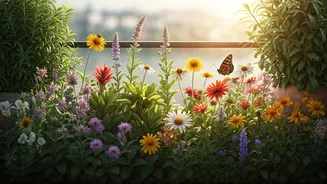
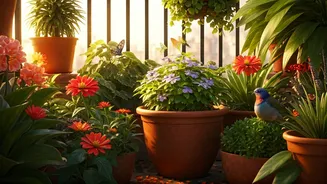
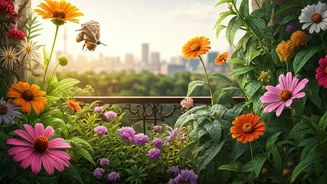
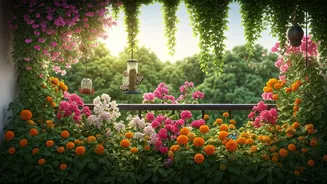
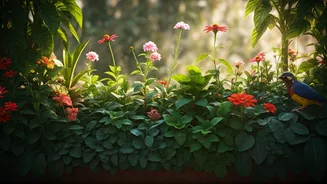
Planting native species is one of the most effective ways to support urban wildlife. [17] These plants provide the specific food, shelter, and breeding grounds for countless local species of birds, butterflies, bees, and other beneficial insects. [4, 7] Exotic plants, while perhaps beautiful, often fail to provide the nectar or foliage that native fauna have co-evolved with. [16] By creating a terrace with plants like Marigold (Genda), native Jasmines (Mogra/Chameli), or Lantana, you are essentially rolling out a welcome mat for pollinators. [6, 8] This not only brings the delightful sight of fluttering butterflies and buzzing bees to your home but also plays a crucial role in maintaining the local food web and supporting biodiversity in an increasingly fragmented urban landscape. [7, 18]
The Water-Wise Choice
Water is a precious resource, and our gardening choices can have a significant impact on its conservation. Native plants are champions of water efficiency. [6] Having adapted to local rainfall, many are naturally drought-tolerant and can survive with very little supplemental watering once established. [5] Species like Bougainvillea, Aloe Vera, and various succulents thrive in hot, dry conditions. [5, 11] Their deep or efficient root systems are designed to seek out and store water, making them perfect for India's long summers and often unpredictable monsoons. [5, 11] Choosing these plants reduces your reliance on municipal water, lowers your water bills, and promotes a more sustainable, eco-friendly gardening practice. [5, 10]
Reclaiming Your Natural Heritage
A garden filled with native plants is more than just a collection of flora; it's a living connection to India's rich ecological and cultural heritage. [4] Trees like Neem and Peepal, or flowers like the Palash (Flame of the Forest), are deeply embedded in our traditions and stories. [4, 5, 9] By cultivating them, you are helping to preserve these species and the cultural narratives attached to them. In a world where urban landscapes are increasingly dominated by a uniform selection of foreign ornamental plants, choosing native varieties is a powerful statement. [9] It creates a garden with a unique sense of place, one that reflects the true natural beauty of your region.
Easy Native Starters for Your Terrace
Ready to get started? The good news is that many beautiful and hardy native plants are perfectly suited for container gardening. You don't need a huge space to make a difference. Look for these at your local nursery: * **Tulsi (Holy Basil):** A must-have in many Indian homes, it’s easy to grow, requires little water, and has pest-repellent qualities. [5] * **Marigold (Genda):** These cheerful, hardy flowers thrive in the sun, tolerate various soils, and naturally deter pests. [6] * **Jasmine (Mogra/Chameli):** Prized for its intoxicating fragrance, this flowering vine loves sunlight and will reward you with continuous blooms. [6] * **Portulaca (Moss Rose):** A colourful, low-growing succulent that flourishes in hot, dry weather, making it perfect for sunny balconies. [5, 11] * **Curry Leaves (Murraya koenigii):** An essential in Indian cooking, this small tree is drought-tolerant and very low-maintenance. [10] * **Lantana:** A hardy, sun-loving shrub that produces beautiful clusters of flowers and is a magnet for butterflies. [8]