






A Galaxy of Growth
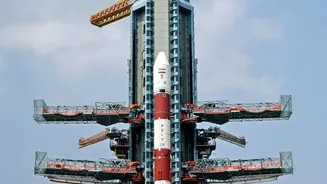
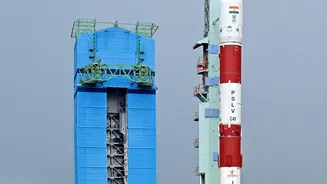
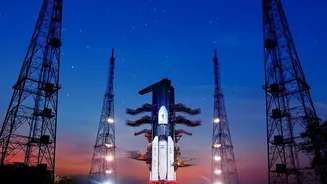
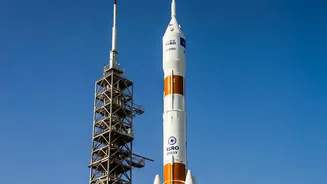
For decades, the Indian Space Research Organisation (ISRO) was the primary driver of the nation's space endeavours. However, with the introduction of the Indian Space Policy in 2023, the final frontier has been thrown open for business. This policy shift
is designed to transform India from a government-led space power into a globally competitive space economy. The goal is ambitious: to grow India's share of the global space market from about 2% to 8% and expand the domestic space economy to $44 billion by 2033. At the heart of this transformation is the Indian National Space Promotion and Authorisation Center (IN-SPACe), an agency created to act as a bridge between ISRO and private companies, facilitating technology transfer and providing access to ISRO's world-class facilities.
Private Players Join the Race
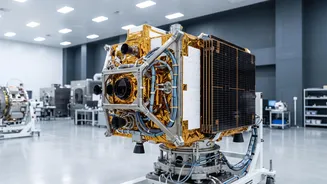
The opening of the sector has led to a surge in private innovation, with the number of space-tech startups crossing 400. These companies are no longer just vendors supplying components to ISRO; they are developing end-to-end capabilities, including building their own satellites and launch vehicles. Firms like Skyroot Aerospace and AgniKul Cosmos are prime examples, having already developed their own launch capabilities with support from ISRO. This shift is creating a dynamic ecosystem where private ingenuity can build upon the foundation of public-sector expertise. ISRO is actively hand-holding these startups, transferring not just technology but also crucial operational knowledge, ensuring the entire ecosystem matures together. This collaboration is attracting significant investment and creating a new industrial base for space technology in India.
The New Cosmos of Careers
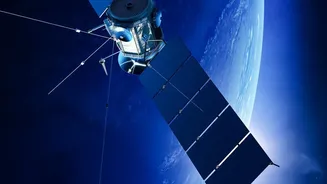
The most significant impact of this space boom is the creation of a diverse range of high-skilled jobs. The Indian space sector already supports around 96,000 direct jobs, with projections suggesting the creation of over 200,000 new roles in the coming years. These opportunities extend far beyond the traditional role of an aerospace engineer. The burgeoning industry needs professionals in satellite manufacturing, propulsion engineering, and avionics. Moreover, as private companies build and launch constellations of satellites for communication and Earth observation, there is a soaring demand for data scientists and GIS analysts to process and interpret the vast amounts of information beamed back to Earth. These downstream services, which turn raw satellite data into usable insights for agriculture, disaster management, and urban planning, are expected to generate the bulk of future revenue and jobs.
Skills for the Final Frontier
This new era demands a new skill set. While fundamentals in physics, mathematics, and engineering remain critical, the future space professional will need to be multidisciplinary. Expertise in Artificial Intelligence (AI) and machine learning is becoming essential for designing autonomous systems, running complex simulations, and analysing large datasets from space missions. Robotics engineers are needed for developing spacecraft and future planetary habitats, while materials scientists work on creating lighter, stronger composites for rockets and satellites. The ecosystem also requires professionals in fields like space law, finance, project management, and cybersecurity to support the commercial and operational aspects of the industry. Universities and training institutes are now adapting their curricula to bridge this skills gap, focusing on a blend of theory, simulation, and hands-on industrial collaboration.