

The Unseen Waste of a Beloved Fruit
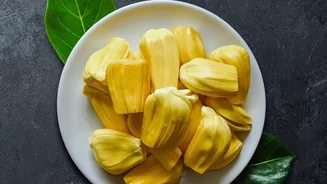
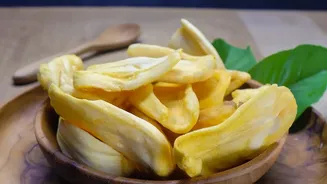
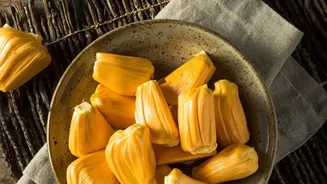
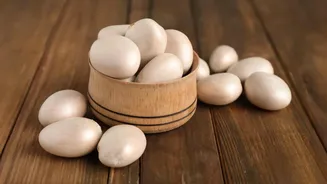
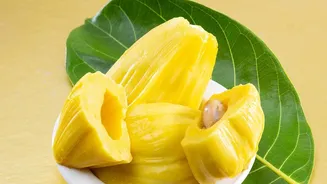
The jackfruit is one of the largest tree-borne fruits in the world, and a single fruit can contain anywhere from 100 to 500 seeds. These seeds make up a significant portion of the fruit's total weight, often between 10% and 15%. Traditionally, while some
communities boil or roast the seeds, a vast quantity is simply discarded during processing, contributing to environmental pollution and agricultural waste. In major jackfruit-producing states like Kerala and Karnataka, this waste represents a significant loss of potential resources. This overlooked byproduct, however, is now being seen not as trash, but as a treasure trove of opportunity.
From Discarded Seed to Nutrient-Dense Flour
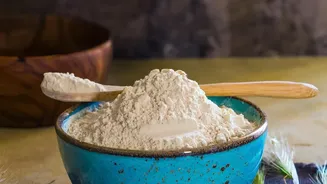
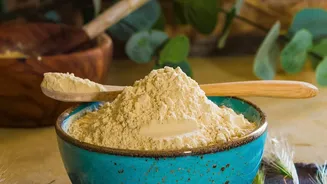
The process of transforming jackfruit seeds into flour is a straightforward yet impactful form of upcycling. It typically begins with cleaning the seeds and removing their outer skins. The seeds are then often treated—by boiling, steaming, or roasting—which helps to deactivate certain anti-nutrients like tannins that can interfere with mineral absorption. After this treatment, the seeds are dried to a low moisture content and then milled into a fine powder. This flour is shelf-stable and ready to be incorporated into a variety of foods, effectively rescuing a valuable nutritional resource from the waste stream.
A Nutritional Powerhouse in Disguise
Jackfruit seed flour is far more than just a clever way to reduce waste; it's a nutritional powerhouse. The flour is notably rich in protein, with some studies showing it contains more protein than wheat flour. It is also an excellent source of dietary fibre, including resistant starch, which can help regulate blood sugar, support weight management, and promote digestive health. Beyond protein and fibre, the seeds are packed with essential minerals like potassium, magnesium, and iron, as well as B-complex vitamins such as thiamine and riboflavin. These nutrients contribute to everything from bone health to better blood circulation.
Good for You, Good for the Planet
The dual benefits of jackfruit seed flour make it a compelling ingredient for the modern, conscious consumer. On one hand, it addresses a significant environmental problem by valorising a major stream of agricultural waste. Instead of contributing to landfills, these seeds are converted into a high-value food product. This creates a more circular and sustainable food system. On the other hand, it offers a solution to nutritional challenges. In diets that may be high in refined carbohydrates and low in protein, jackfruit seed flour provides a cost-effective way to boost the intake of protein, fibre, and essential micronutrients.
How to Use Jackfruit Seed Flour
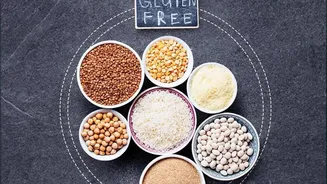
The versatility of jackfruit seed flour is one of its greatest strengths. Being gluten-free, it can be a valuable ingredient in developing products for those with gluten sensitivities. It has good binding and water absorption properties, making it a functional additive in cooking and baking. The flour can be blended with wheat flour to make nutrient-enriched bread, rotis, or chapattis. Studies have shown that substituting up to 25% of wheat flour with jackfruit seed flour in bread can enrich its nutritional value without significantly compromising taste and texture. It's also being used in cookies, cakes, noodles, and even as a thickening agent in curries and soups.