






Understanding Your Gut Microbiome
Your gut is home to trillions of microorganisms, including bacteria, fungi, and viruses, collectively known as the microflora or microbiome. A healthy, diverse balance of these microbes is crucial for digestion, immune function, and even mood regulation.
However, factors like stress, processed foods, and antibiotics can disrupt this delicate balance. Probiotics, which are live beneficial bacteria, can help restore and maintain a healthy gut environment. Fermented foods are a primary source of these helpful bacteria.
Why August is a Great Time to Start
August provides a unique opportunity to focus on gut health. The month offers an abundance of fresh, seasonal produce like cabbage, cucumbers, carrots, and peppers—all perfect ingredients for fermentation. Eating a variety of seasonal plants is linked to a more diverse gut microbiome, as different fibers feed different types of beneficial bacteria. Furthermore, summer activities like travel and barbecues can sometimes throw our digestive systems off track. Incorporating probiotic-rich foods can offer extra support during this active time of year.
Homemade Probiotic Condiments to Try
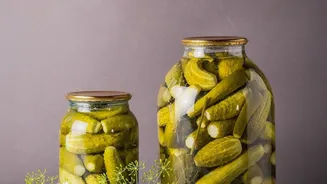
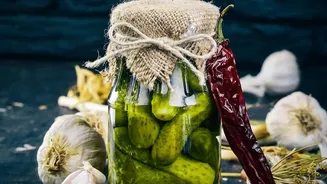
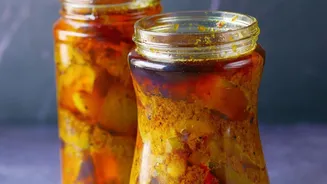
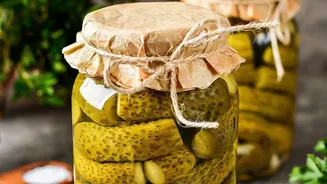
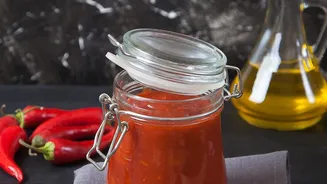
Store-bought condiments can be convenient, but they are often pasteurized, which kills beneficial bacteria, and may contain preservatives and added sugars. Making your own is easier than you think and ensures you get a vibrant, live product. Historically, many condiments like mustard and ketchup were fermented for preservation. Some great options to make at home include: Sauerkraut: This classic fermented cabbage is packed with probiotics and is simple to prepare with just cabbage and salt. Kimchi: A traditional Korean side dish, kimchi is typically made from fermented cabbage and a variety of seasonings like chili, garlic, and ginger, offering a spicy probiotic punch. Probiotic Ketchup and Mustard: You can create your own versions of these tabletop staples using a starter culture or the brine from other ferments, like sauerkraut, to introduce beneficial microbes. Yogurt or Kefir-Based Dressings: Instead of traditional mayonnaise or creamy dressings, blend plain yogurt or kefir with herbs and spices for a tangy, probiotic-rich alternative for salads and dips.
A Simple Start: Basic Sauerkraut
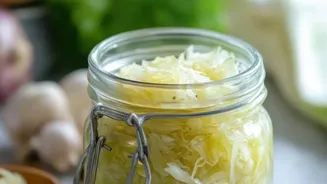
Ready to try your hand at fermenting? Sauerkraut is the perfect entry point. All you need is a head of fresh cabbage, salt, and a clean glass jar. Finely shred one medium head of cabbage and place it in a large bowl. Sprinkle with about 1.5 tablespoons of non-iodized sea salt. Begin to massage and squeeze the cabbage with your hands. After 5-10 minutes, the cabbage will become watery and limp as the salt draws out moisture. Pack the cabbage tightly into a glass jar, pressing it down so the liquid (brine) rises above the solids. This liquid barrier is crucial for safe fermentation. Place a weight on top of the cabbage to keep it submerged, cover the jar loosely, and let it sit at room temperature for at least 3-7 days. You'll see bubbles form, which is a sign that the live organisms are at work. Taste it periodically until it reaches a tanginess you enjoy, then transfer it to the refrigerator to slow the fermentation.
Adding More Probiotics to Your Plate
Incorporating these homemade condiments into your diet can be effortless. Add a spoonful of sauerkraut or kimchi to sandwiches, salads, or grain bowls for extra crunch and flavor. Use your homemade kefir ranch as a dip for fresh August vegetables like carrots and cucumbers. A dollop of probiotic mustard can liven up grilled meats or potato salad. The goal is to consistently include small amounts of these live foods in your daily meals to continually support your gut microflora.