




Why the Focus on Protein?
Protein is a hot topic in India, and for good reason. It’s the essential building block for our muscles, immune cells, skin, and hair. Many traditional Indian diets, while rich in flavour, can be heavy on carbohydrates and fats, with protein sometimes
taking a backseat. Studies have shown that a significant portion of the Indian population consumes less protein than the recommended daily amount, which can lead to fatigue, muscle loss, and weakened immunity. The Indian Council of Medical Research (ICMR) recommends about 0.83 grams of protein per kilogram of ideal body weight for a sedentary adult, meaning a 65 kg person needs around 54 grams daily. The goal isn’t to overhaul your diet completely, but to consciously rearrange your plate to ensure protein gets the attention it deserves.
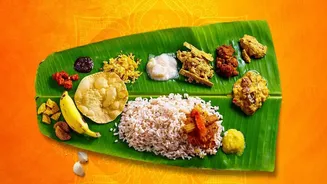
Visualising the Balanced Thali
The easiest way to build a better meal is to visually divide your plate. Forget complicated calorie counting and think in simple proportions. Nutrition experts suggest a straightforward model: fill half your plate with vegetables, a quarter with a solid protein source, and the final quarter with complex carbohydrates. This structure ensures you get a healthy dose of fibre, vitamins, and minerals from vegetables, sustained energy from good carbs, and the muscle-repairing benefits of protein, all in one meal. This method works for any meal, whether it's lunch at home or a tiffin at the office.
The Protein Quarter: Vegetarian Powerhouses
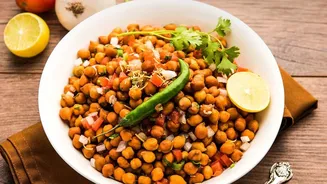
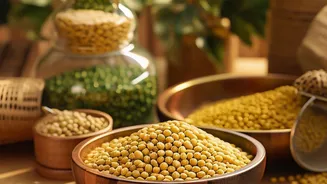
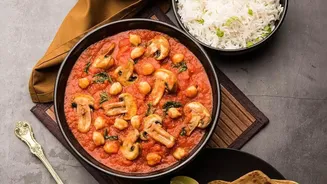
For vegetarians, the protein quarter is vibrant and varied. Lentils (dal) are a staple, with one cooked cup offering around 18 grams of protein. Legumes like chickpeas (chana) and kidney beans (rajma) are equally potent, providing about 15 grams per cup. Paneer is another excellent choice, with a 100g serving containing roughly 18 grams of protein. Other fantastic options include tofu, soy chunks, and curd or Greek yogurt, which has almost double the protein of regular yogurt. Sprouting legumes like moong can also enhance their nutritional value and digestibility. The key is to ensure one of these items is a significant component of your meal, not just a small side dish.
The Protein Quarter: Lean Non-Vegetarian Choices
For those who eat meat, the protein quarter is straightforward. A 100g portion of lean chicken breast can provide 25-30 grams of protein. Eggs are an affordable and versatile source, with a single large egg offering about 6 grams of complete protein. Fish like rohu, salmon, or tuna are also excellent choices, delivering 20-25 grams of protein per 100g serving along with healthy omega-3 fatty acids. When preparing non-vegetarian dishes, opting for grilled, baked, or steamed methods over deep-frying helps keep the meal balanced and lower in unhealthy fats.
Carbohydrates and Fibre: The Supporting Cast
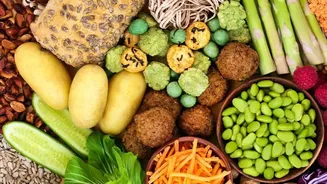
The other half of your plate is just as important. Half of your plate should be filled with non-starchy vegetables, whether as a cooked sabzi, a fresh salad, or both. Think colourful options like spinach, bell peppers, broccoli, carrots, and cucumber to maximize your intake of fibre, vitamins, and minerals. For the carbohydrate quarter, prioritize whole grains over refined ones. This means choosing whole wheat roti, brown rice, or millets like jowar and bajra. These complex carbs provide sustained energy and additional fibre, helping to keep you full and your blood sugar stable.
Putting It All Together: Sample Balanced Plates
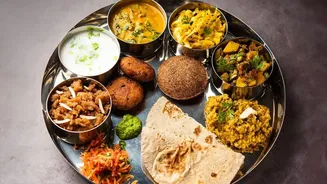
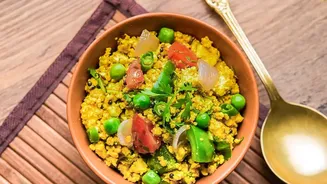
So, what does this look like in practice? A balanced vegetarian thali could feature a bowl of rajma, one bajra roti, a generous serving of bhindi sabzi, and a side of cucumber-tomato salad. Another example is a small bowl of brown rice with a large serving of paneer bhurji and mixed vegetable curry. A non-vegetarian plate might consist of grilled chicken, one whole wheat roti, a lentil soup (dal), and a side of sauteed spinach. The goal is consistency and balance, ensuring every major meal is built around this simple, effective framework.