





The Hidden Risks of Rainy Season
The monsoon season in India creates the perfect environment for bacteria, viruses, and other germs to thrive. High humidity and waterlogging can lead to the contamination of fresh produce and water sources. This increases the prevalence of water-borne
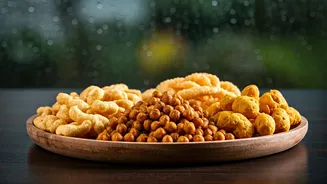
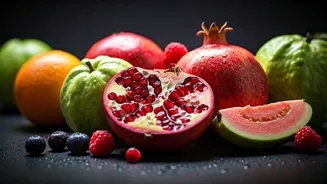
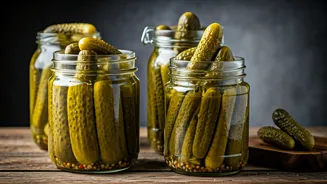
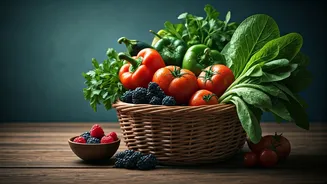
diseases like cholera, typhoid, and gastroenteritis. Street food, as tempting as it is, becomes particularly risky. Prepared in open environments, it's often exposed to contaminated water and faster spoilage, making food poisoning a common concern. Even raw foods like salads and cut fruits can harbour harmful microbes, which is why health experts advise extra caution during this time.
Why Warm and Cooked is Wiser
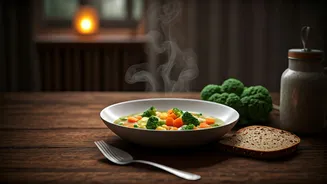
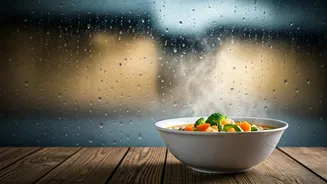
The solution to safer monsoon eating is simple: heat. Consuming freshly prepared, warm meals is one of the most effective ways to protect yourself. Cooking food at a high temperature kills most of the harmful bacteria and viruses that can make you sick. Beyond just safety, traditional wisdom, including Ayurveda, suggests that the digestive system can become sluggish during the humid monsoon months. Warm, cooked food is easier for the body to break down and absorb nutrients from, preventing feelings of heaviness and bloating. Lightly spiced soups, stews, and broths not only provide warmth but also stimulate digestion, making them an ideal choice.
Defining the Perfect Comfort Bowl
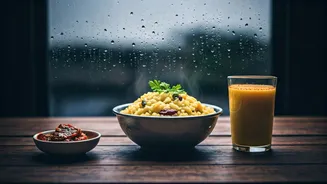
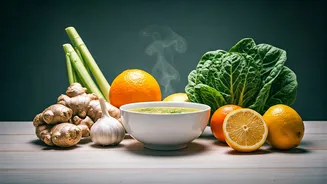
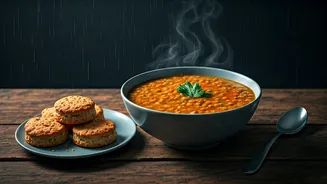
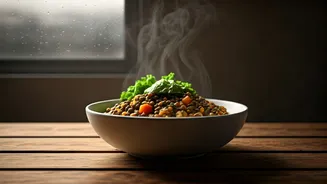
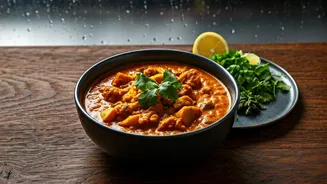
A 'comfort bowl' is more than just a meal; it's a warm, nourishing, and complete dish that’s easy on the digestive system. Think of a classic like khichdi, a balanced combination of rice and lentils that is considered a go-to meal for gut health, especially during the monsoon. Other examples include hearty lentil soups (dal), vegetable stews, and brothy noodle dishes like thukpa. The key elements are well-cooked ingredients served hot, often in a soupy or semi-liquid form that hydrates the body. Many of these dishes also incorporate immunity-boosting spices like turmeric, ginger, garlic, and black pepper, which have natural anti-inflammatory and antimicrobial properties.
Your Monsoon Bowl Guide
Embracing comfort bowls doesn't mean eating the same thing every day. The variety is endless. A simple moong dal khichdi is a timeless classic, known for being extremely light and healing for the gut. You can also explore sabudana khichdi, which provides quick energy and is gluten-free. For something more savoury, a warm bowl of sambar with steamed rice fits the bill perfectly. Don't hesitate to look beyond traditional Indian cuisine; a Japanese ramen, a Vietnamese pho, or a Chinese congee all fit the description of a safe and soothing comfort bowl. The focus should be on home-cooked meals using fresh ingredients that are thoroughly washed and cooked.
Nourishment for Body and Soul
The appeal of a comfort bowl extends beyond its health benefits. There is a deep psychological satisfaction that comes from eating a warm meal on a cool, rainy day. It provides a sense of cosiness, security, and well-being that counteracts the gloomy weather. The act of preparing a simple, hot meal at home also gives you complete control over hygiene and ingredients, adding an extra layer of reassurance. This combination of physical safety and emotional comfort is what truly makes the comfort bowl an essential part of monsoon dining, helping you feel both nourished and secure.