






Choose Your Destination Wisely
The first step to a safe and romantic monsoon trip is selecting the right destination. While misty hill stations are tempting, many are prone to landslides and road blockages during heavy rains. As of late June 2026, the India Meteorological Department
(IMD) has issued heavy rainfall alerts for states like Uttarakhand, which increases the risk of landslides and flash floods. Consider destinations in rain-shadow regions or places with robust infrastructure. Places like Udaipur, where the lakes fill up beautifully, or parts of Madhya Pradesh can offer a scenic and safer alternative. Always check the local weather forecast and official advisories before booking. A getaway closer to home can also be a great option, reducing travel time and potential hassles.
On the Road: Driving with Caution
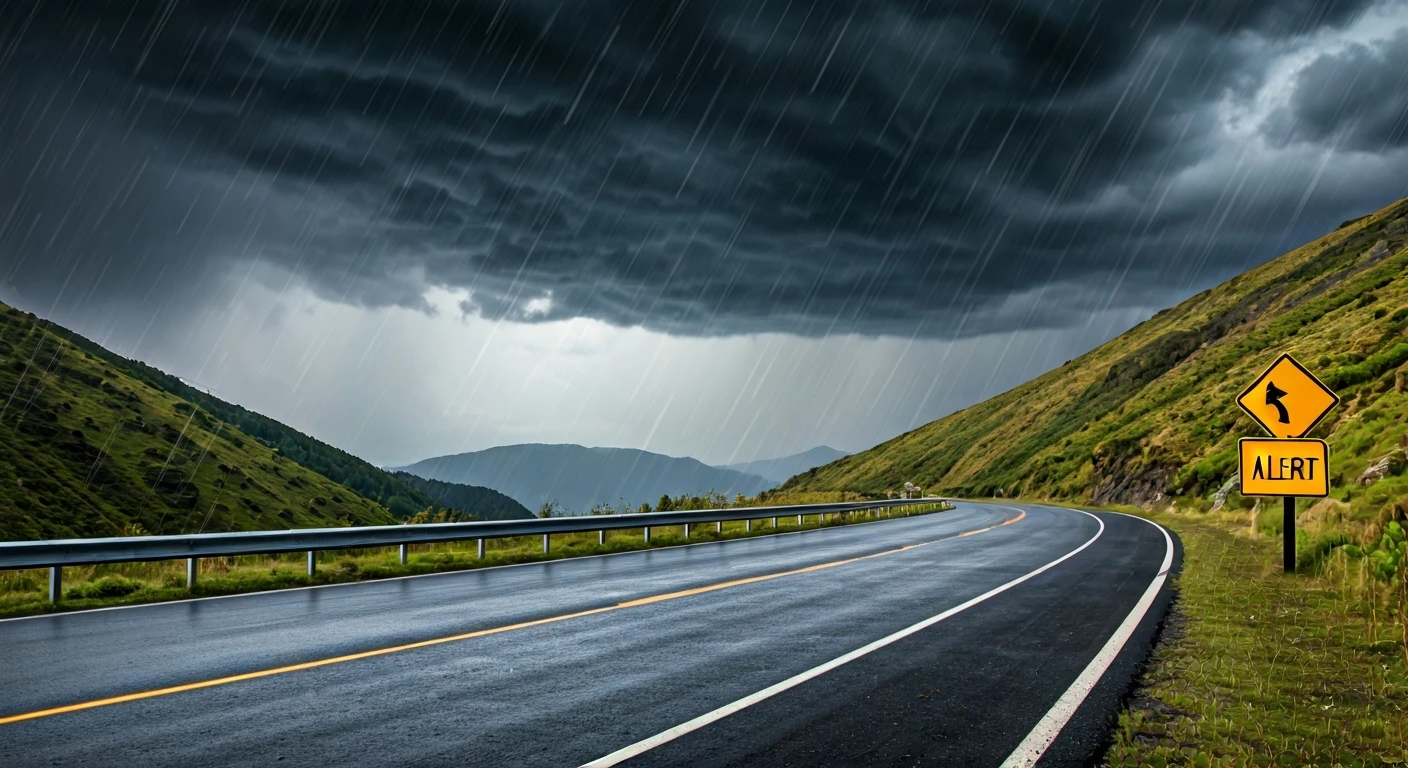
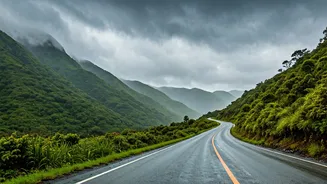
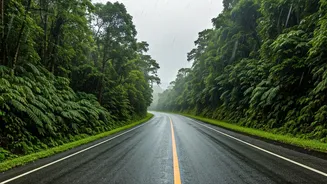
A road trip can be the heart of a romantic adventure, but monsoon driving requires extra care. Before you even start, give your vehicle a thorough check: tyres, brakes, and windscreen wipers must be in excellent condition. Worn tyres can easily lose grip on wet roads, and faulty wipers severely reduce visibility. Once on the road, slow down. Posted speed limits are for ideal conditions, not slick, water-logged highways. Increase the distance between your vehicle and the one ahead to allow for longer braking distances. Avoid driving through standing water, as it can hide deep potholes or cause your vehicle to stall. Using headlights, even in light rain, makes you more visible to other drivers. If possible, consider hiring a local driver who is experienced with the area's monsoon road conditions.
Pack for Health and Hygiene
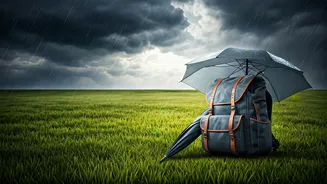
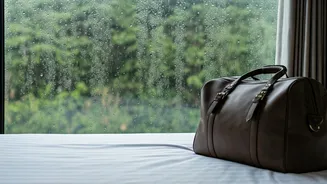
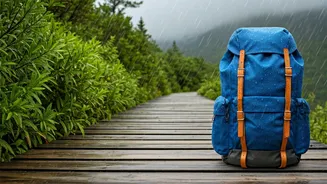
The monsoon's humidity creates a breeding ground for germs and insects. Your packing list should go beyond romantic outfits. A well-stocked first-aid kit is essential, with basics for colds, fungal infections, and antiseptic cream. Mosquitoes are a major concern, with diseases like dengue and malaria being more common, so a strong insect repellent is a must-have. Pack light, quick-drying synthetic clothes, as cotton and other fabrics can take a long time to dry and develop a musty smell. Waterproofing is key: use waterproof bags for your luggage and airtight covers for all electronic gadgets like phones and cameras to protect them from the rain. Don't forget to carry a power bank, as power cuts can be frequent.
Food and Water Smarts
One of the biggest health risks during the monsoon is waterborne disease. Contamination of water sources is high, so it’s crucial to avoid tap water and any water from unreliable sources. Stick to sealed, bottled water for drinking and even for brushing your teeth. Be equally cautious with food. As tempting as street food might be, it’s best avoided during this season due to higher risks of contamination. Opt for freshly prepared, hot meals from clean, reputable establishments. Boosting your immunity by including vitamin C-rich fruits in your diet can also be a good preventive measure.
Stay Informed and Flexible
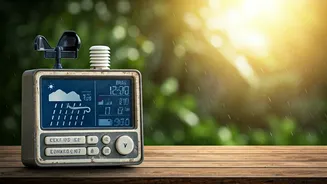
Monsoon weather is famously unpredictable. A sunny morning can quickly turn into a torrential downpour. Continuously monitor weather forecasts and news for your chosen destination. Apps and official websites from bodies like the IMD provide real-time updates on rainfall and potential hazards. Be prepared to alter your plans. An outdoor trek might become unsafe, so have a few indoor activities in mind, like visiting a local museum or simply enjoying the view from a cosy cafe or your hotel room. True romance is about enjoying each other's company, and sometimes the most memorable moments come from embracing a change of plans and watching the rain together.