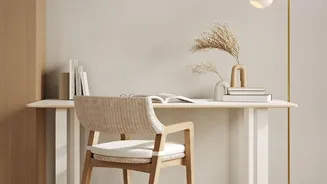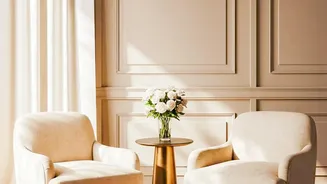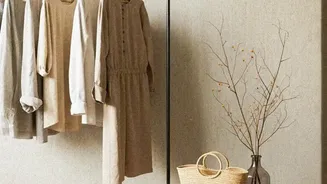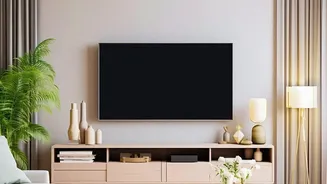



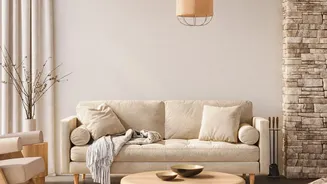
Tired of your home’s look but dreading the cost and chaos of a full makeover? A strategic neutral palette is the secret to a timeless home that can be refreshed in an afternoon, offering endless style flexibility without major commitment.
The Power of a Neutral Foundation
Committing to
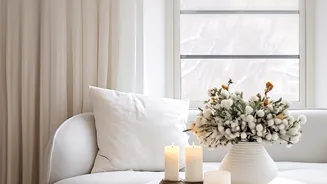
a neutral base for your home's most significant surfaces—walls, floors, and large furniture—is a strategic design choice that pays dividends in longevity and versatility. Unlike trendy, bold colors that can feel dated within a few years, a palette of whites, beiges, greys, or taupes provides a timeless canvas. This approach not only creates a serene and calming atmosphere but can also make spaces feel larger and brighter by enhancing natural light. It’s a smart investment, as homes with neutral walls often have broader appeal. By neutralizing the background, you allow architectural details, textures, and your favorite decor pieces to become the focus.
Choosing Your Perfect Neutral
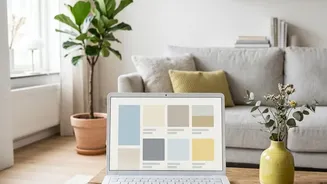
The term 'neutral' covers a wide spectrum of shades, each with its own mood and character. The key is to look at the undertones. Warm neutrals, like creamy off-whites and beiges with yellow or red undertones, create a cozy and inviting atmosphere. Cool neutrals, such as greys with blue or green undertones, offer a crisp, modern look. Greige, a popular blend of grey and beige, is a versatile chameleon that adapts to changing light throughout the day. When choosing, always consider your home’s 'fixed' elements, like flooring, countertops, and cabinetry. Ensure your chosen neutral shares a similar warm or cool temperature to create a cohesive flow rather than a space that feels slightly 'off'.
Building a Cohesive Base Palette
A successful neutral base is more than just one paint color. It’s a curated collection of about five to seven harmonious shades used throughout the home. This typically includes one dominant neutral for the main living areas and hallways, a consistent white or off-white for all trim and ceilings, and a few secondary neutrals for rooms like bedrooms and bathrooms. The trick is to ensure all the colors have a shared undertone, which ties the spaces together even if the exact shades differ. This 'whole house palette' strategy creates a sense of intentional flow, making a home feel curated and connected rather than like a series of disjointed rooms.
Refreshing Your Space With Accents
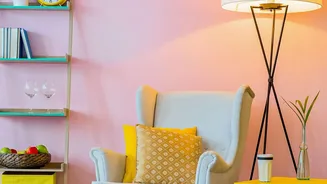
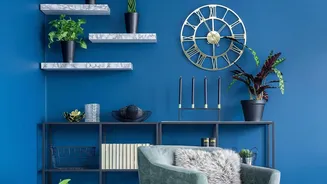
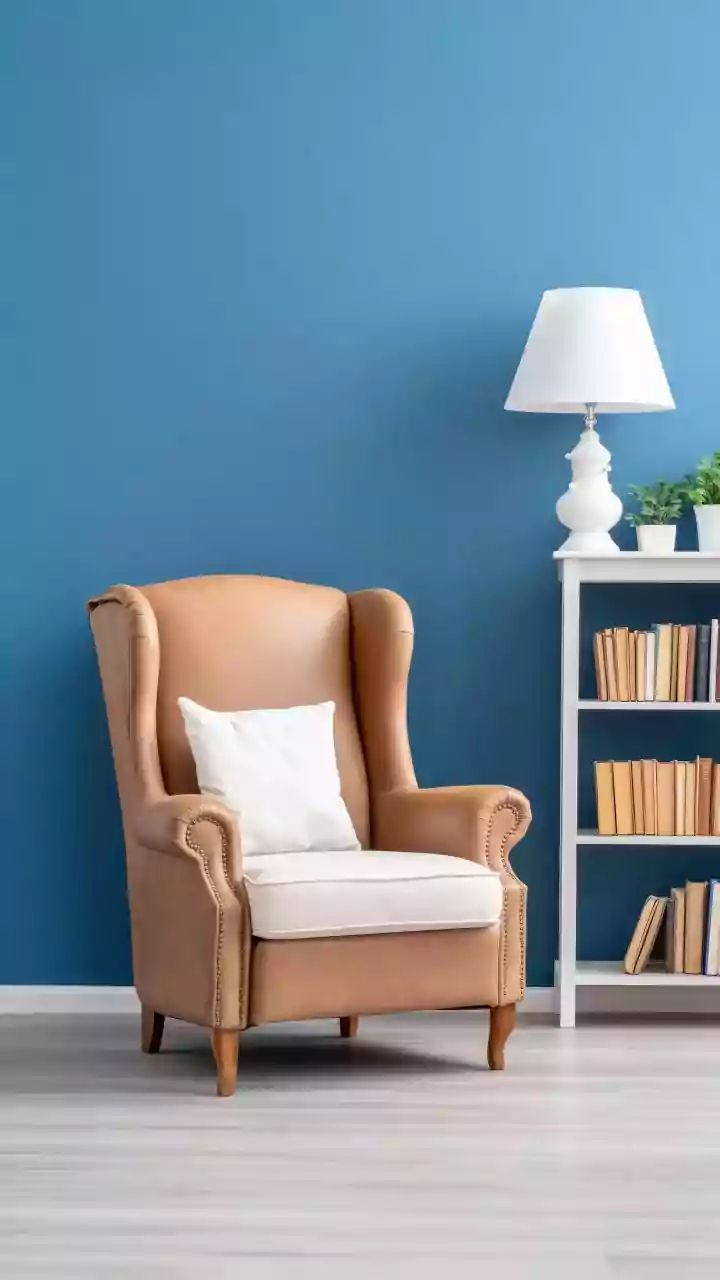
With a solid neutral foundation in place, the fun begins. Accent pieces are your tools for injecting personality, color, and trend-conscious updates without a major overhaul. Textiles are the easiest and most impactful place to start; swapping out throw pillows and blankets can instantly change the energy of a room. Other simple swaps include artwork, decorative vases, rugs, and even lampshades. You can introduce a pop of a single, bold accent color like mustard yellow or deep navy, or layer several complementary tones like sage green and terracotta for a more subtle, earthy feel. Because the background is neutral, these colorful additions truly pop, allowing you to experiment freely.
Embrace Texture and Natural Elements
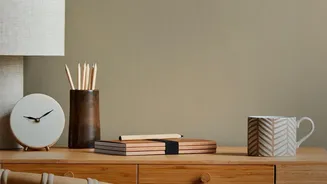
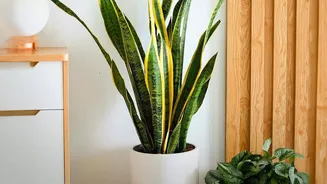
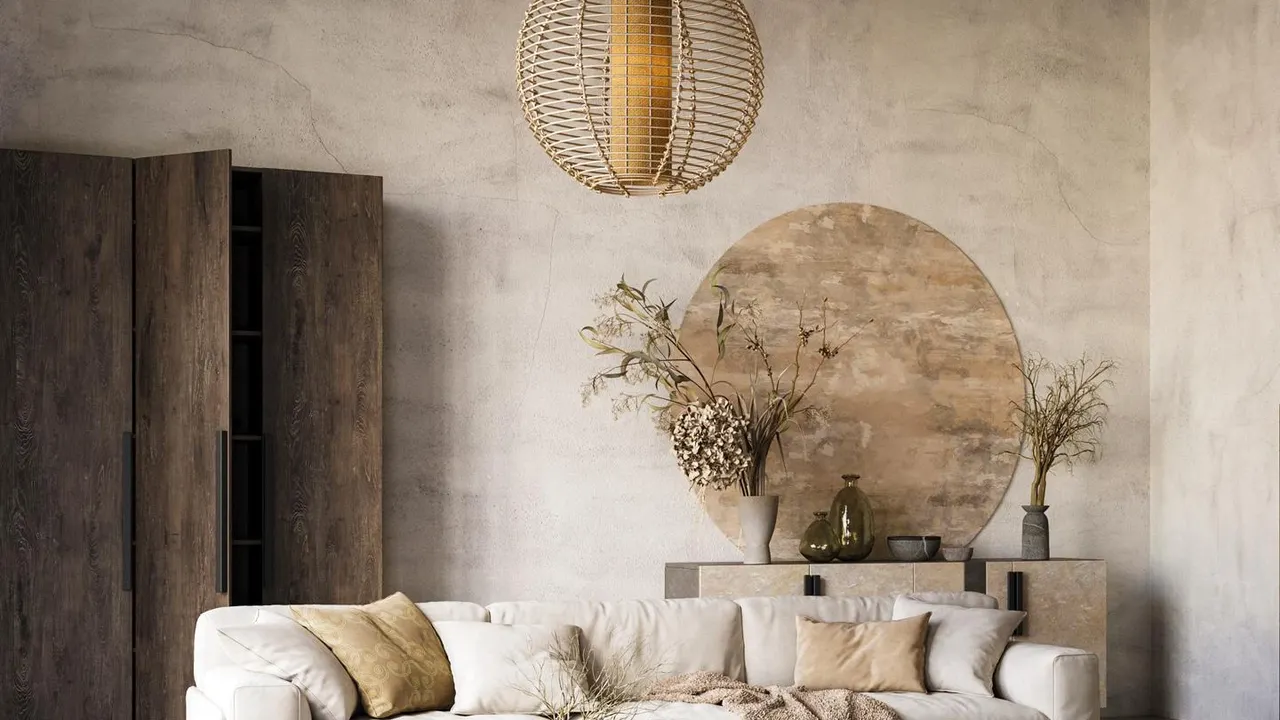
A common fear with neutral decor is that it will look flat or boring. The secret to preventing this is texture. Layering a variety of materials adds depth and visual interest that keeps the eye engaged. Think of mixing a nubby wool throw, a smooth leather chair, a rustic wood coffee table, and sleek metallic accents like a brass lamp or a black-framed mirror. These different surfaces catch the light in unique ways, creating subtle contrast and a rich, sophisticated feel. Plants and fresh greenery are another fantastic way to add a natural pop of color and life to a neutral room, instantly making it feel more vibrant and lived-in.