
The Micro-Trend Treadmill
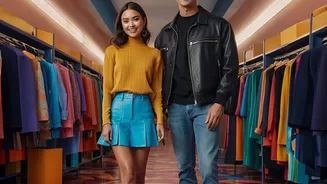
First, it was 'cottagecore,' then 'balletcore,' and now it might be 'eclectic grandpa.' Fast fashion thrives on these micro-trends—hyper-specific aesthetics with catchy names that explode on social media and vanish just as quickly. These trends are designed
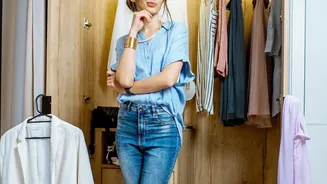
to create a sense of urgency, compelling you to buy into a look that feels essential one moment and dated the next. The problem is that a wardrobe built on a foundation of fleeting trends lacks cohesion. You end up with a collection of statement pieces that don't work together, leading to the frustrating feeling of owning a closet full of clothes but no actual outfits.
What 'Function' Really Means
Shifting your focus to 'function' doesn't mean resigning yourself to a boring wardrobe. Function is about asking practical questions. How does this piece serve my actual life? Is the fabric comfortable and easy to care for? Can I wear it in at least three different ways with items I already own? Functionality is about versatility, durability, and fit. A truly functional piece is one that you can reach for repeatedly because it fits well, feels good, and seamlessly integrates into your existing style, regardless of whether it has a trendy name attached to it. It’s the difference between a 'vampire-chic' blouse you wear once and a classic silk shirt you wear for years.
Become a Savvy Fabric Detective
One of the biggest giveaways of a garment's true value lies in its fabric and construction. Even within fast-fashion stores, quality can vary dramatically. Before buying, take a moment to be a detective. Check the tag for material composition; natural fibers like cotton, linen, and wool, or even high-quality blends, often wear better and last longer than cheap synthetics like polyester and acrylic. Hold the fabric up to the light to check its density—if it's see-through, it's unlikely to be durable. Examine the seams and stitches. Are they tight and even? Do the buttons feel secure? These small details are indicators of whether a piece is designed to last beyond a few washes or fall apart.
The Pre-Purchase Gut Check
The best way to shop smarter is to create a pause between seeing an item and buying it. Before you head to the checkout, run through a mental checklist. First, ask yourself the '30-wears test': can you realistically see yourself wearing this item at least 30 times? If the answer is no, it's likely not a worthwhile purchase. Next, visualize your current wardrobe. Can you immediately think of three complete outfits you can create with this new piece using what you already own? This simple rule prevents the purchase of 'wardrobe orphans'—items that match nothing. Finally, consider the care instructions. If it's 'dry clean only' and you know you'll never take it, be honest with yourself. A functional wardrobe is one you can actually maintain.
Build a Core, Accessorize the Trend
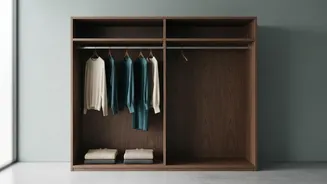
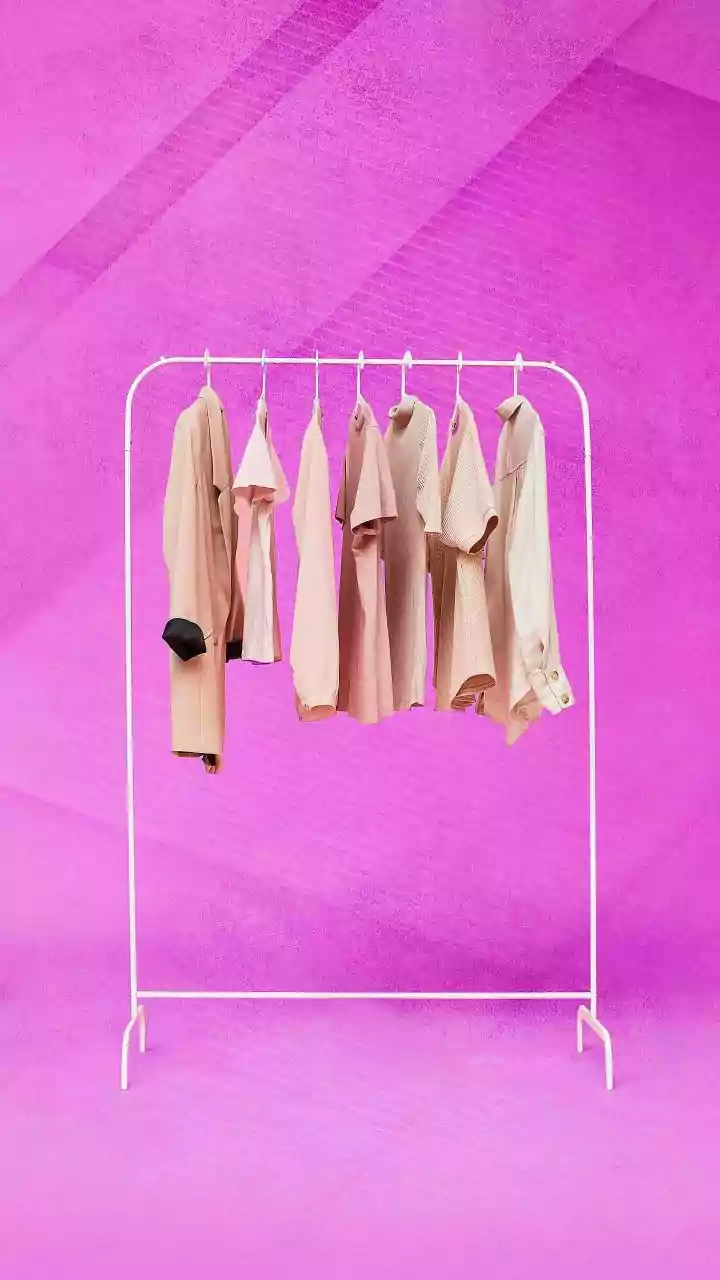
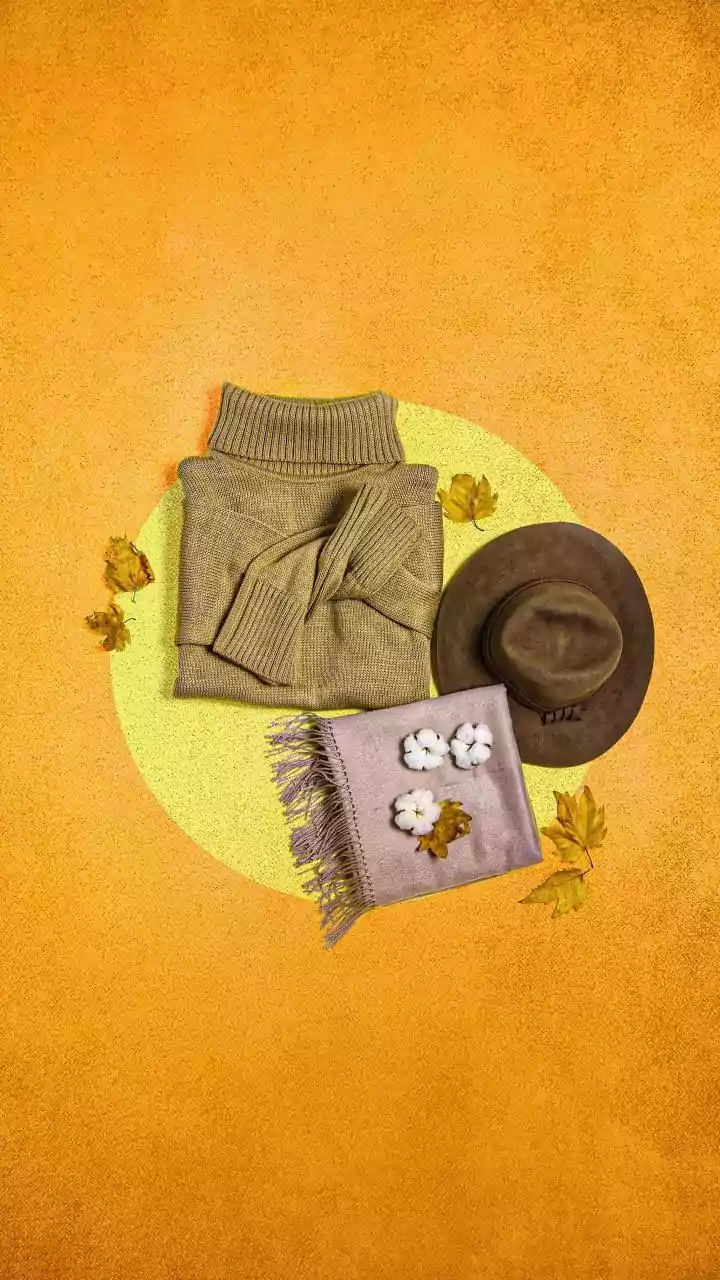
A functional approach doesn't mean you have to ignore trends entirely. The key is to build a strong foundation of high-quality, versatile basics—often called a capsule wardrobe. Think great-fitting jeans, classic t-shirts, a tailored blazer, and a simple knit dress. These are the workhorses of your closet. Once you have this reliable core, you can selectively participate in trends with less commitment and cost. Instead of buying a whole new outfit in the season's hottest print, try adding a trendy scarf, a statement bag, or a bold piece of jewelry. This allows you to feel current and have fun with fashion without overhauling your entire wardrobe every few months.