


The Charm of Clay Dehumidifiers
Before you picture a bulky machine, think again. Clay dehumidifiers are often simple, aesthetically pleasing terracotta objects that work on the principle of adsorption. Materials like bentonite clay are incredibly porous, allowing them to naturally trap
water vapour from the air. These eco-friendly devices are silent, require no electricity, and blend seamlessly into your decor as rustic art pieces. Many commercial versions come as clay containers filled with a desiccant like calcium chloride, which pulls in moisture. The clay's porous nature helps in this absorption process. For a DIY approach, a simple unglazed terracotta vessel can act as a passive dehumidifier, though its effect is milder. While not a replacement for a powerful electric unit in a severely damp room, they are perfect for managing ambient humidity in smaller spaces like closets, bathrooms, and bedrooms, preventing that all-too-familiar musty monsoon smell.
1. Peace Lily (Spathiphyllum)
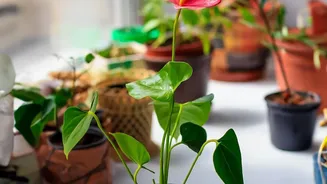
The Peace Lily is more than just a pretty plant with elegant white blooms; it's a humidity-regulating powerhouse. Its broad, glossy leaves are effective at absorbing moisture from the air. Native to tropical rainforests, it naturally thrives in the high-humidity conditions common in Indian homes during the monsoon, making it particularly well-suited for bathrooms and kitchens. Beyond tackling dampness, the Peace Lily is celebrated for its ability to filter common indoor air pollutants. It’s a low-maintenance plant that prefers indirect light and tells you when it’s thirsty with a slight droop of its leaves, making it ideal for even novice plant parents.
2. Snake Plant (Sansevieria trifasciata)
Known in India as a resilient and architecturally striking plant, the Snake Plant is exceptionally effective at absorbing excess moisture. Its tough, upright leaves have a unique ability to perform transpiration, helping to regulate indoor humidity and reduce the risk of mould. One of its standout features is that it releases oxygen at night, making it an excellent companion for bedrooms. The Snake Plant is famously low-maintenance, tolerating a wide range of light conditions and requiring infrequent watering, which is a bonus in damp weather. Its minimalist aesthetic complements modern Indian interiors perfectly.
3. Boston Fern (Nephrolepis exaltata)
With its lush, feathery fronds, the Boston Fern is a classic choice for adding a touch of vibrant green to any room. It is also a natural dehumidifier, flourishing in moist environments and helping to balance indoor humidity levels. These ferns are native to tropical forests and swamps, so they feel right at home in the steamy conditions of a bathroom or a shaded balcony during the monsoon. Keeping the soil consistently moist and providing high humidity will ensure this plant thrives. If the air gets too dry, its leaves might turn yellow, serving as a natural indicator of the room's humidity.
4. Spider Plant (Chlorophytum comosum)
The Spider Plant is one of India's most popular and forgiving houseplants, celebrated for its air-purifying capabilities and its knack for absorbing moisture. Its arching leaves and cascading 'spiderettes' make it an attractive choice for hanging baskets, especially in kitchens or bathrooms where it can soak up ambient dampness. Not only does it help manage humidity, but it's also known for filtering pollutants like formaldehyde from the air. Adaptable to various light conditions and easy to care for, the Spider Plant is a resilient and effective green addition to any home battling monsoon moisture.
5. Areca Palm (Dypsis lutescens)
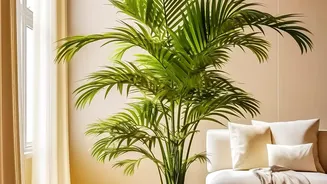
The Areca Palm, with its graceful, feather-like fronds, brings a tropical resort feel to your living room. Beyond its beauty, it acts as a natural humidifier, releasing moisture into the air. While this might sound counterintuitive, this process helps regulate and balance the overall humidity, preventing the air from becoming either too dry or overly saturated. It is particularly effective at transpiring large amounts of moisture, contributing to a healthier indoor environment. It thrives in the warm, bright conditions of Indian homes and is also a top-rated plant for purifying the air of common toxins.