




The Rise of the Himalayan Workstation
Kasol’s evolution from a laid-back stop on the hippie trail to a bustling digital nomad destination was driven by a simple need: reliable internet. As remote work became the new normal, professionals began looking for inspiring and affordable places to live
and work. The Parvati Valley, with its stunning landscapes and tranquil vibe, was a natural fit. Hostels, traditionally serving transient backpackers, quickly spotted the trend. They began upgrading their infrastructure to cater to a new clientele that measured their stay not in days, but in weeks or months, and valued bandwidth as much as bedsheets. This shift has turned Kasol into a prime spot for those seeking a better work-life balance, blending productivity with the adventure of mountain life.
What 'High-Speed Wi-Fi' Really Means in the Mountains
While hostels in Kasol now widely advertise high-speed Wi-Fi, it's crucial for remote workers to set realistic expectations. Connectivity in Kasol town has become surprisingly robust, with many places offering fibre connections and speeds that can handle video calls and daily work tasks. However, this isn't the gigabit speed of a metro city. Speeds of 20-40 Mbps are a common and workable reality. The bigger challenge is often stability. Power cuts can be frequent, making hostels with power backup (inverters or generators) highly sought after. Furthermore, while Kasol itself is well-connected, nearby villages like Tosh, Kalga, or Pulga have much less reliable internet, making the main town the safer bet for professionals who depend on a stable connection.
More Than Just a Connection: Building a Community
The best workation hostels in Kasol understand that supporting a remote work lifestyle goes beyond providing a password. They have cultivated environments built for productivity and community. Many now feature designated common areas or cozy corners that function as informal co-working spaces. In-house cafes are also a staple, offering not just coffee and food but also a social hub for networking and collaboration. Hostels like AmigosIndia, The Hosteller, and Nomads Hostel are known for fostering a strong sense of community through organized events, group treks, and bonfire nights. This social infrastructure is invaluable, helping long-term guests combat the isolation that can sometimes accompany the digital nomad life.
Finding the Perfect Balance of Work and Wanderlust
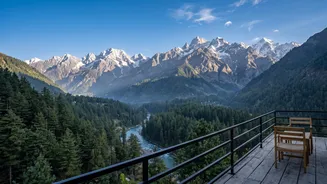
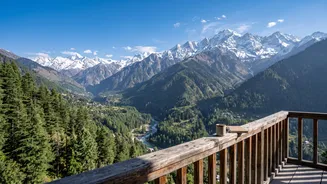
The ultimate appeal of working from Kasol is the lifestyle it enables. The workday doesn't end in a commute but with a stroll along the Parvati River or a short hike into a pine forest. Hostels are strategically located to offer this blend, providing a peaceful retreat that is still connected to the wider world. After logging off, residents can explore the vibrant cafe scene, join a yoga session, or plan weekend treks to destinations like Kheerganga or Malana. This seamless integration of work and exploration is what draws people in, transforming a work trip into a holistic experience. Many hostels actively facilitate this, offering travel desk services and connecting guests with local guides.
A Checklist for the Modern Digital Nomad
Before booking a long-term stay in Kasol, it's wise to do some homework. The quality of amenities can vary significantly from one property to another. Always ask specific questions before you commit. Inquire about the type of internet connection (fibre is best) and ask for a recent speed test if possible. Confirm whether they have 24/7 power backup. Ask about dedicated workspaces and if the common areas are suitable for working during the day. It's also a good idea to check for long-stay packages, as many hostels offer discounted weekly or monthly rates that are far more economical than booking per night. Reading recent reviews from other digital nomads on platforms like Hostelworld can provide invaluable, up-to-date insights into a property's suitability for a workation.