







Why The 'Wettest First' Strategy Works
During the rainy season, indoor humidity levels can soar, creating the perfect breeding ground for mould, mildew, and pests. Areas that are already prone to moisture — bathrooms, kitchens, balconies, and entryways — become high-risk zones. By tackling
these 'wettest rooms' first, you can contain problems at the source and prevent them from spreading throughout your home. This proactive approach stops the chain reaction where dampness in one area leads to musty smells in cupboards, fungal growth on walls, and an increase in insects seeking shelter. It’s about being strategic: control the moisture hotspots, and you control the overall health of your home.
The Bathroom Blitz
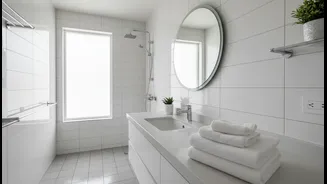
The bathroom is ground zero for moisture. Start your routine here. After showers, wipe down walls and mirrors to remove condensation. If you have an exhaust fan, use it during and after bathing to pull steam out of the air. Check for any leaks around taps or under the sink, as even a slow drip can create a persistent damp patch that attracts pests like cockroaches. Keep drains clear by regularly removing hair and soap scum; pouring hot water down them weekly can help dissolve buildup. Ensure your bathroom has some form of ventilation, whether by keeping a window slightly ajar during dry spells or leaving the door open to allow air to circulate. For an extra line of defence, place moisture absorbers like silica gel packets in cabinets.
The Kitchen Challenge
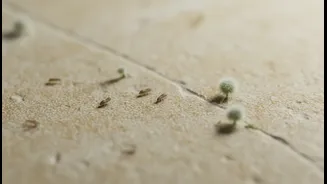
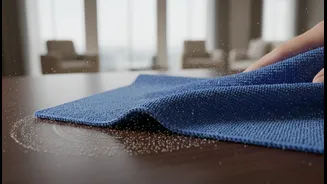
Your kitchen faces a double threat during monsoon: moisture and pests. High humidity not only encourages mould growth but also causes food to spoil faster, attracting ants and other insects. Store all dry goods like pulses, spices, and flour in airtight containers. Wipe down countertops and the sink area daily to keep them dry. Pay close attention to the area under the sink, ensuring it is dry and leak-free. Run your chimney or exhaust fan while cooking to reduce steam. Dispose of garbage daily to avoid attracting flies and other pests. A clean, dry kitchen is far less appealing to unwelcome critters and helps prevent musty odours from developing in your cupboards and pantry.
Securing Entry Points and Balconies
The entryway and balcony are your home's front line against the rain. They are the first places to get wet, bringing mud and moisture inside. Place highly absorbent doormats at every entrance to catch water and dirt from footwear. It’s also wise to have a designated spot for wet umbrellas and raincoats to dry. Regularly check balconies and terraces to ensure drains are not clogged with leaves or debris, preventing water from pooling and seeping into walls. If you have potted plants, ensure they are not waterlogged, as the excess moisture can contribute to the overall humidity of the area. A quick, daily sweep or wipe-down of these areas can make a significant difference.
Maintaining Other Vulnerable Areas
Once the main wet zones are managed, turn your attention to other vulnerable spots. Wooden furniture and wardrobes can absorb moisture from the air, leading to a musty smell and potential mould on clothes and linens. To combat this, keep a small gap between large furniture and walls to improve air circulation. You can place natural moisture absorbers like camphor balls, neem leaves, or silica gel packets inside wardrobes and drawers. Avoid drying clothes indoors if possible, as this releases a large amount of moisture into the air. If you must, ensure the room is well-ventilated. Regularly airing out closets and sun-drying items like carpets and rugs during dry spells will also help keep dampness at bay.