
Peering Through the Cosmic Veil
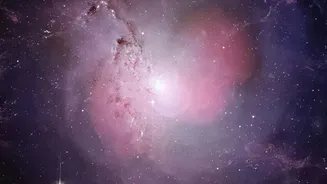
For decades, our view of star birth has been partially obscured. Stars form inside vast, dense clouds of gas and dust, often called stellar nurseries. These cosmic incubators are so thick that they block visible light, effectively hiding the protostars
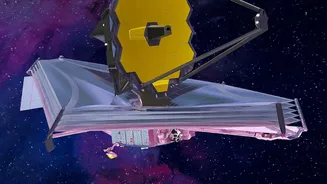
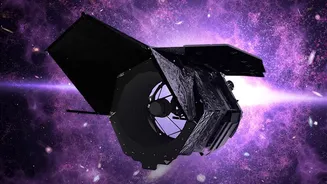
cocooned within. This is where the James Webb Space Telescope’s genius lies. Unlike telescopes that see the universe in visible light, like the Hubble has for decades, Webb is designed to capture infrared light. This longer wavelength of light can penetrate the thick clouds of interstellar dust, much like X-rays see through skin. This unique capability allows astronomers to finally witness the earliest, most chaotic stages of star formation that were once invisible.
What is a Stellar Nursery?
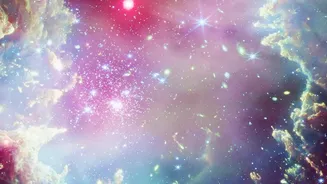
A stellar nursery is precisely what it sounds like: a place where stars are born. These regions are immense clouds of cold hydrogen gas and fine dust, spanning many light-years. Within these nebulae, gravity works its magic. It patiently pulls clumps of gas and dust together over immense timescales. As these clumps become denser, they collapse under their own weight, heating up to form a protostar — the embryonic stage of a star. These protostars continue to gather material from a surrounding disk of gas and dust, growing more massive until their core becomes hot and dense enough to ignite nuclear fusion. At that moment, a new star begins to shine, illuminating its cosmic cradle.
Rewriting the Story of the Early Universe
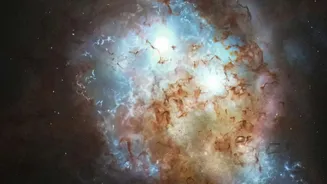
The images streaming back from Webb are doing more than just providing pretty pictures; they are forcing a rewrite of cosmic history. By looking at galaxies from over 13 billion years ago, Webb is seeing the universe as it was just a few hundred million years after the Big Bang. Data from programs like the Cosmic Evolution Early Release Science (CEERS) Survey have revealed that the early universe was teeming with star-forming activity. Galaxies appear to have formed and matured much faster than many models predicted. Webb is showing that these ancient galaxies were furiously building stars, challenging our understanding of how quickly the first complex structures in the cosmos could assemble. Finding so many active star nurseries so early in cosmic history suggests the conditions for star and even planet formation were in place sooner than previously thought.
From Cosmic Dust to Building Blocks of Life
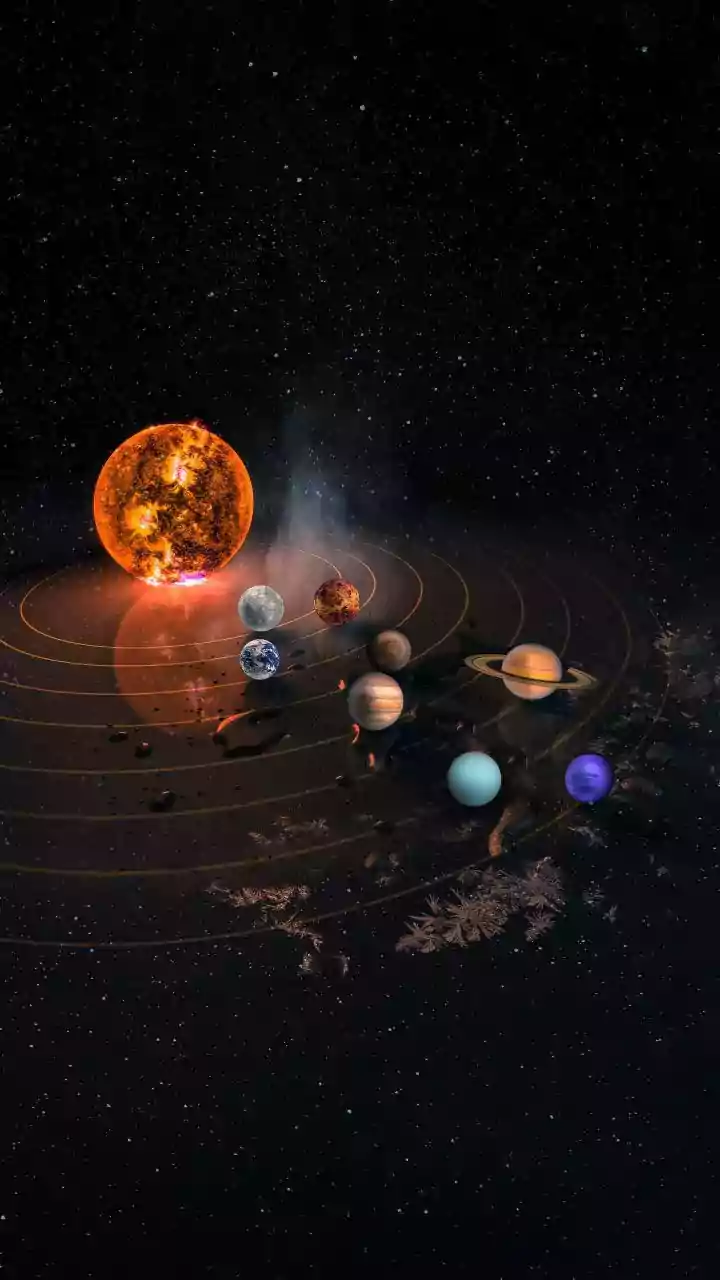
The discovery of these active stellar nurseries is about more than just stars. These cosmic factories are where the essential ingredients for life are forged. The first stars were made almost entirely of hydrogen and helium, the elements created in the Big Bang. But inside the fiery cores of stars, and in their explosive deaths, heavier elements are created and scattered across the galaxy. This stardust—rich in carbon, oxygen, and other elements—then seeds the next generation of gas clouds. From this enriched material, new stars and planetary systems form. Webb's ability to see dust disks around even the youngest stars provides a direct view of the raw materials for future planets. By studying these ancient nurseries, we are effectively watching the assembly line that eventually led to planets like Earth and, ultimately, to us.