




The Western Ghats: A Symphony in Green
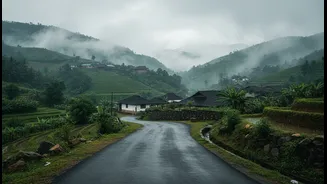
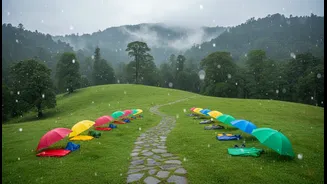
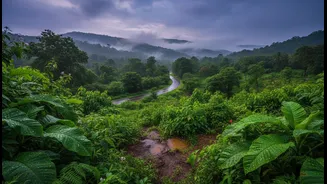
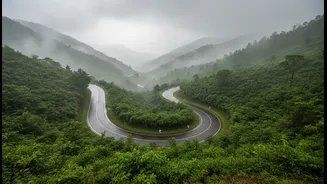
Forget what you know about the Western Ghats in the summer. During the monsoon, this UNESCO World Heritage site becomes a different world. The hills of Maharashtra, Karnataka, and Kerala turn into a riot of greens, with waterfalls appearing around every
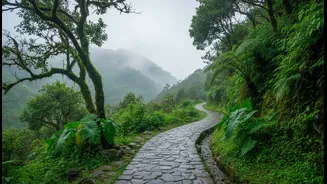
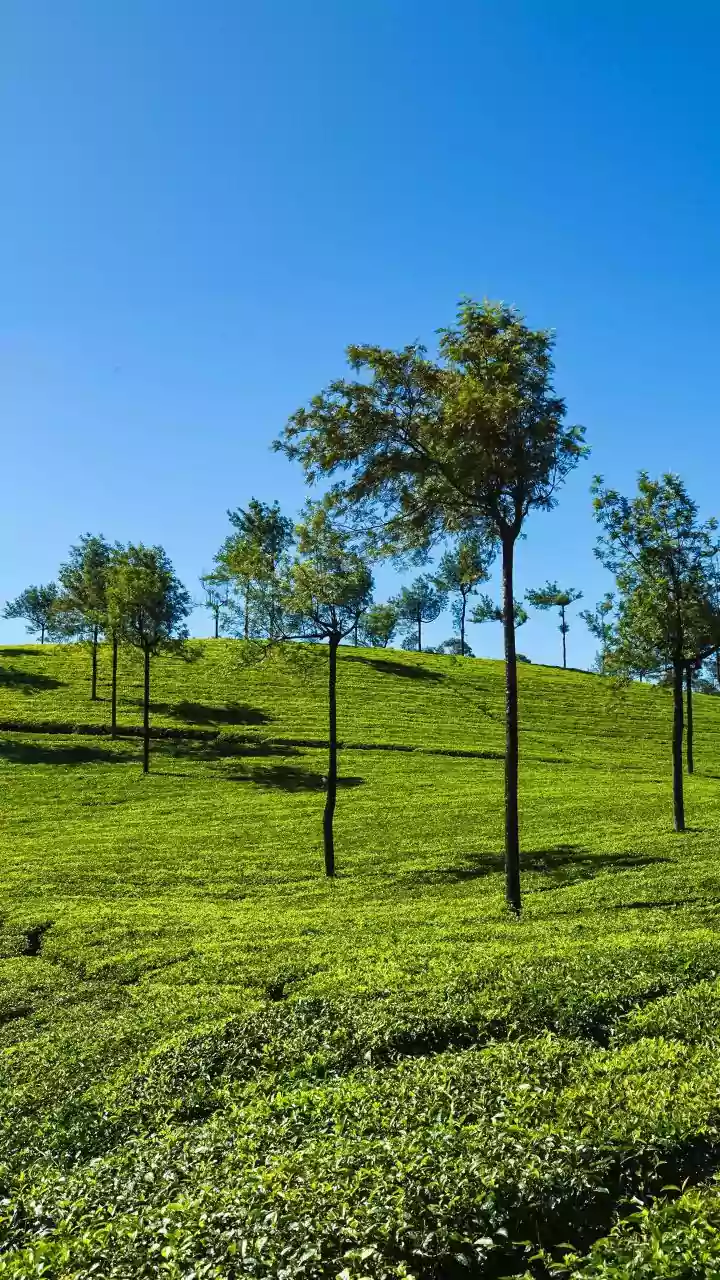
bend. Destinations like Mahabaleshwar, Amboli, and Agumbe are at their absolute best. Imagine driving through roads where clouds drift across the tarmac, with the constant sound of rain on the forest canopy. Treks to forts like Rajmachi and Lohagad become challenging but rewarding adventures through misty trails. It's a time for hot chai, plates of pakoras, and watching the rain paint the world anew. The entire region, from the coffee plantations of Chikmagalur to the quiet trails of Coorg, comes alive, offering a cool, serene escape.
Rajasthan: The Desert in an Emerald Cloak
It might seem counterintuitive, but the monsoon is a magical time to visit parts of Rajasthan. While the western desert remains arid, the Aravalli belt undergoes a startling transformation. Udaipur, the city of lakes, becomes even more romantic as water bodies like Lake Pichola swell, beautifully reflecting the grand palaces. The aptly named Monsoon Palace (Sajjangarh) offers panoramic views of clouds gathering over the revived landscape. Further afield, places like Bundi, with its ancient stepwells, and Kumbhalgarh, whose massive fort wall snakes through now-green hills, offer a unique perspective on the state, free from the usual tourist crowds. Even Banswara, known as the 'Cherrapunji of Rajasthan', comes alive with numerous waterfalls.
Meghalaya: Home of the Clouds
To truly experience the monsoon, one must go to its source. Meghalaya, the 'Abode of Clouds,' is where the rain is not just a season but a defining feature of the land. Cherrapunji and Mawsynram, two of the wettest places on Earth, are spectacular during this time. Waterfalls like Nohkalikai and the Seven Sisters, which are modest streams in other seasons, become thunderous, powerful cascades. The famous living root bridges seem even more mystical against a backdrop of constant mist and vibrant green foliage. Shillong, the capital, offers a romantic charm with its pine-covered hills and cozy cafes, making it a perfect base for exploring the region. Traveling here during the rains is an immersive experience, a chance to witness nature at its most raw and powerful.
The Hills of the North: A Quiet Escape
While many parts of the Himalayas are best avoided due to landslide risks, select destinations offer a safe and serene monsoon experience. Kasauli in Himachal Pradesh, a quiet cantonment town, retains its colonial charm and becomes incredibly lush and tranquil. The air is fresh, the crowds are thin, and the views of the mist-covered valleys are breathtaking. Similarly, places in Uttarakhand like the Valley of Flowers National Park are only open during the monsoon months. This is when the valley floor is carpeted with thousands of blooming alpine flowers, creating a truly once-in-a-lifetime spectacle. It requires a trek to get there, but the reward is a landscape of unparalleled beauty, surrounded by snow-capped peaks.
Tips for Smart Monsoon Travel
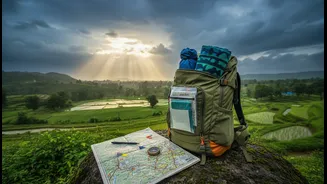
Traveling during the monsoon requires a bit of extra preparation, but the rewards are immense. First, be flexible. Transport delays due to heavy rain are common, so build buffer days into your itinerary. Check weather forecasts frequently, not just for your destination but also for the route you plan to take. Pack smart: opt for quick-drying synthetic clothes over cotton and jeans, and carry a reliable waterproof jacket and a rain cover for your bag. Good footwear with a strong grip is non-negotiable for navigating slippery paths. When it comes to food, stick to freshly cooked meals and bottled water to avoid stomach issues. Finally, always heed local advice. Authorities may close roads or restrict access to waterfalls for safety reasons, so it's crucial to respect these warnings.