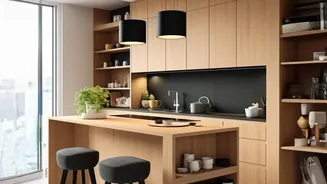







The Seduction of the Show Flat
Real estate agents and developers are masters of presentation. A show flat is designed to create an instant emotional connection, encouraging you to imagine a perfect life within its walls. Fresh paint, stylish furniture, and high-end appliances can create a powerful
illusion. However, these cosmetic details are often used to distract from more fundamental, and unchangeable, aspects of the property. While a beautiful kitchen is lovely, it won't compensate for a bedroom that gets no natural light or the constant rumble of traffic outside. Finishes can be updated over time, but the core characteristics of a home—its location, orientation, and structure—are far more permanent.
The Power of Natural Light
Daylight is one of the most underrated but crucial features of a home. Exposure to natural light has a significant impact on our well-being, influencing everything from mood to productivity. Sunlight helps regulate our circadian rhythms, which improves sleep quality and energy levels. It also boosts the body's production of serotonin, a neurotransmitter that promotes feelings of happiness and calm. Homes filled with natural light feel larger, more inviting, and more comfortable. Beyond the psychological benefits, ample daylight can also reduce electricity bills by decreasing the need for artificial lighting. When viewing a property, visit at different times of the day to see how the light changes. Check the direction the windows face; east-facing rooms get lovely morning sun, while west-facing rooms can become very warm in the afternoon.
The Hidden Cost of Noise
Unwanted sound is more than just an annoyance; it's a significant public health issue. Chronic exposure to noise pollution from traffic, neighbours, or construction can lead to a host of problems, including stress-related illnesses, high blood pressure, sleep disruption, and lost productivity. Even moderate noise levels can raise stress hormones and negatively affect your mental health. When you’re viewing a potential home, it’s vital to assess the soundscape. Visit during different times, including rush hour and weekends, to get a true sense of the noise levels. Stand outside and listen. Inside, open and close the windows to check how well the home is insulated against external sounds. Pay attention to internal noise as well—thin walls between rooms or loud plumbing can be just as disruptive.
The Life-Changing Value of Walkability
A home’s location is about more than just its address; it's about the lifestyle it enables. Walkability—the ability to access shops, parks, schools, and public transport on foot—has become a highly sought-after feature in real estate. Living in a walkable neighbourhood encourages a more active lifestyle, which is linked to better health outcomes. It also fosters a stronger sense of community, as residents are more likely to interact when they're out and about. From a financial perspective, properties in walkable areas often hold their value better and are in high demand. Fewer car trips also mean lower transportation costs and a smaller environmental footprint. When considering a home, use online tools like Walk Score to get a baseline reading, but also explore the neighbourhood on foot yourself to see if it truly fits your needs.