






Understanding the Hype-to-Habit Gap
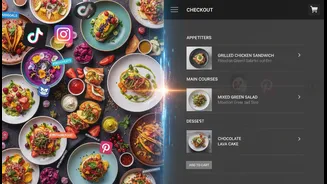
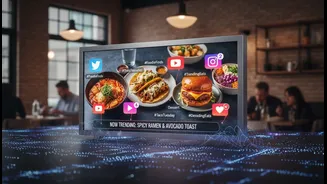
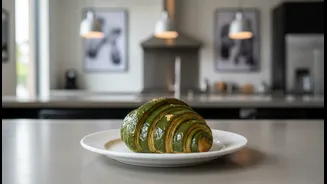
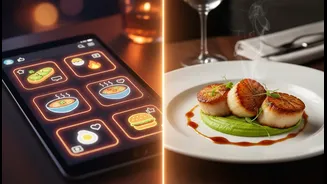
In the Indian F&B market, social media is a powerful discovery engine. A visually stunning reel of a cheese-pull pizza or a novel fusion dessert can drive immediate footfall. Customers arrive, often seeking that specific, scroll-stopping item. This is the 'hype'
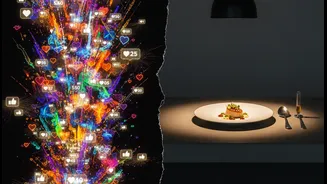
phase. However, there's a significant difference between a customer trying something once for a social media post and a dish becoming a regular, profitable part of their ordering 'habit'. This is the social-to-menu gap: the dangerous space where online visibility doesn't translate into sustainable sales. Trends peak quickly, sometimes in a matter of weeks, leaving restaurants that invested heavily with irrelevant inventory and a diluted brand identity. The dish that looked amazing on video might be impractical to eat, leading to one-time trials rather than repeat orders.
The Hidden Costs of Scaling Too Fast
Jumping headfirst into a viral trend without testing is a gamble with serious operational and financial risks. The first challenge is the supply chain. Sourcing new, specific ingredients at scale can be difficult and expensive, especially if the trend is fleeting. Then there's the kitchen workflow. A new, complex dish can disrupt a well-oiled kitchen, requiring new processes and extensive staff training. If the item doesn't sell as expected, the consequences are immediate: food waste, sunk training costs, and inventory that has to be written off. Menu engineering principles show that every item must justify its place through popularity and profitability. Adding a 'Dog' (low popularity, low profit) just because it's trending online can hurt your bottom line more than help it.
A Lean-Startup Approach to Menu Innovation
The smartest response is to adopt a 'lean startup' methodology. Instead of going all-in, you create a Minimum Viable Product (MVP) to test the waters. For a restaurant, this means launching the trending item in a controlled, low-risk way. One of the most effective methods is the Limited-Time Offer (LTO). Frame the new dish as a special, available for a few weeks or a month. This creates urgency and makes it an event, while also giving you a clear timeframe to collect data. You can also test it as a weekend special or through a pop-up concept. The goal is to gather real-world sales data and customer feedback with minimal initial investment. This 'build-measure-learn' loop allows you to see if actual customers, not just online viewers, will consistently pay for the new item.
Analysing the Data: To Scale or Not to Scale?
After the test period, it's time to analyse the results. Don't just look at the number of units sold. Dig deeper. Was the item profitable? Menu engineering teaches us to calculate the contribution margin (selling price minus food cost) for each dish. A high-selling item with a razor-thin margin may not be worth keeping. Did the dish attract new customers, or was it primarily ordered by regulars? Did it lead to positive online reviews and user-generated content? Talk to your staff. Was the dish difficult to prepare consistently during peak hours? This operational feedback is just as crucial as the sales numbers. If the data shows high popularity, strong profitability, and manageable operational impact, you have a winner—a 'Star' dish worth adding to the permanent menu. If not, you can let the LTO expire without having incurred the massive costs of a full-scale rollout.