





The Sweet Agony of a Short Season
For generations, the Indian summer has been synonymous with the unparalleled joy of eating mangoes. From the sweet, fibreless pulp of the Alphonso to the tangy kick of the Totapuri and the rich aroma of the Langra, each region boasts a variety that inspires
fierce loyalty. This annual obsession, however, is fleeting. The season is short, the yields can be unpredictable, and for millions, the experience is limited to what the market offers. The bittersweet end of the mango season leaves us waiting another long year. It’s a classic tale of supply and demand, but one where the supply is dictated entirely by nature’s clock, making our favourite fruit a precious, temporary delight.
Science Steps Into the Orchard
Behind the scenes, scientists at institutions like the Indian Agricultural Research Institute (IARI) in New Delhi have been working for decades to solve the mango's inherent challenges. Their goal isn't to replace the classic varieties we adore, but to enhance them and create new ones that meet modern needs. The mission is multifaceted: develop varieties that are more resistant to disease and pests, provide more consistent fruit year after year (a trait known as 'regular bearing'), and, most excitingly, adapt the tree itself to new environments. By cross-breeding celebrated varieties like Amrapali and Sensation, researchers are engineering a new generation of mangoes that are hardier, more efficient, and incredibly versatile.
Meet the New Generation of Mangoes
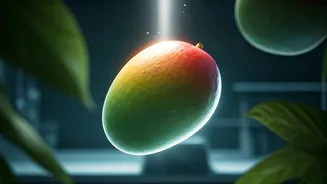
This research has given rise to several new hybrid varieties that are changing the game for farmers and consumers. Take, for example, the Pusa series from IARI. 'Pusa Pratibha' is an early-maturing hybrid with a vibrant red peel, making it visually appealing and perfect for export markets. 'Pusa Shrestha' and 'Pusa Lalima' are other notable hybrids known for their high yield and excellent fruit quality. Perhaps the most significant development is the focus on dwarf or semi-dwarf trees. The classic 'Amrapali' (a cross between Dasheri and Neelam) was a pioneer in this field, creating a tree that was smaller yet highly productive. The new varieties build on this legacy, creating mango plants that don’t require sprawling orchards to thrive.
A Mango Tree on Your Balcony?
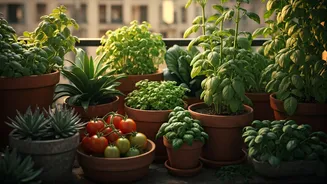
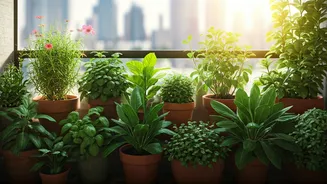
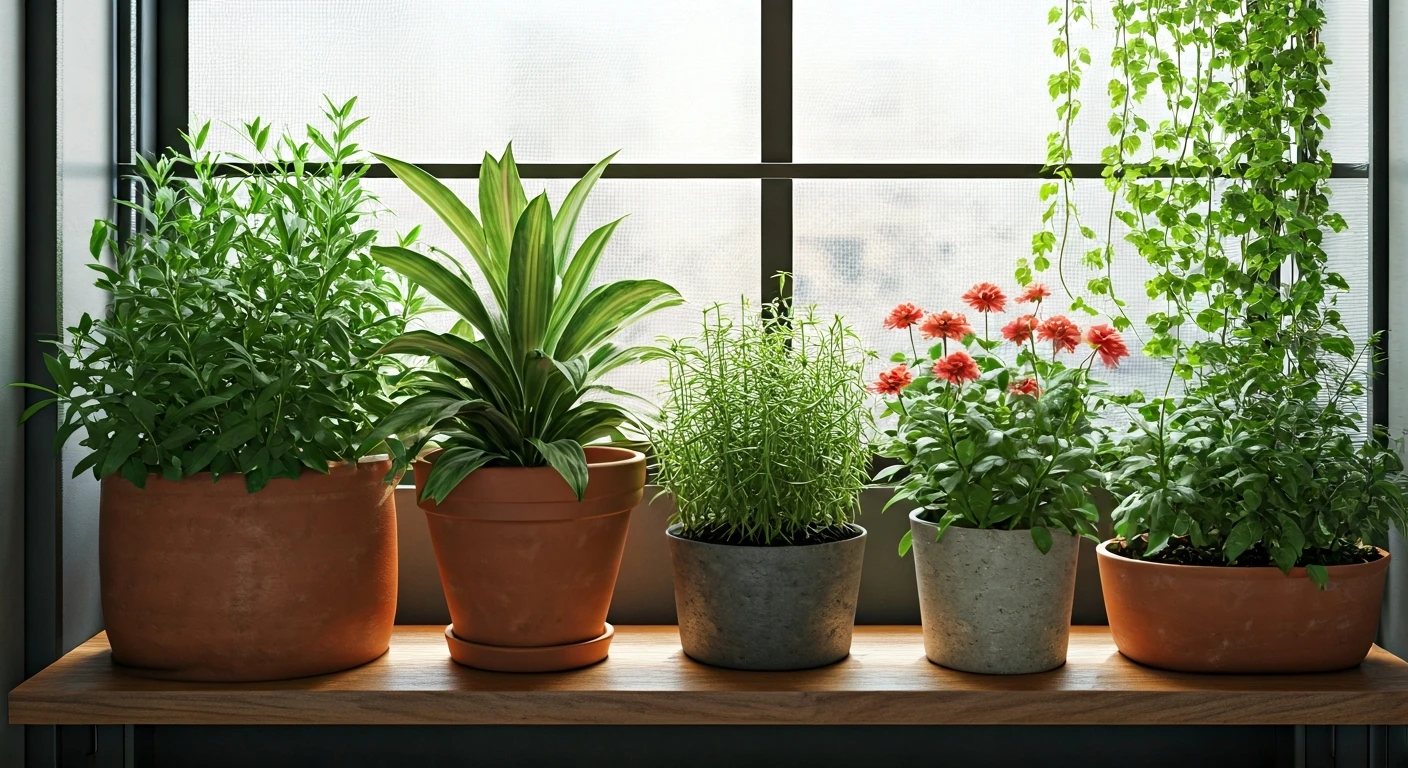
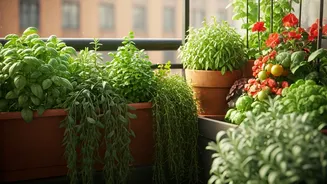
This is where the headline's promise truly comes to life for the average city dweller. The development of dwarf mango varieties means that growing your own mangoes is no longer a dream reserved for those with large plots of land. These new trees are perfectly suited for high-density planting in commercial farms, but they are also ideal for pot cultivation. Imagine a mango tree thriving on a sunlit balcony in Mumbai or a terrace garden in Bengaluru. Varieties like Amrapali and the newer Pusa hybrids can start fruiting in just two to three years and can be maintained at a manageable height with regular pruning. This innovation democratises the joy of mango cultivation, bringing the orchard experience right into our urban homes.
Better Means More Than Just Sweeter
While taste is paramount, the idea of a 'better' mango extends far beyond its sweetness. These scientific advancements address critical issues in the agricultural supply chain. Regular-bearing varieties provide farmers with a more stable and predictable income, moving away from the boom-and-bust cycle of 'on' and 'off' years. Enhanced disease resistance reduces the need for chemical pesticides, leading to healthier fruit and a lower environmental impact. Furthermore, some new varieties are being bred for a longer shelf life, which helps reduce the staggering amount of post-harvest wastage that occurs every year. In this context, 'better' means more resilient, more sustainable, and more accessible for everyone, from the farmer to the city-dweller.