



Why Are Car Prices Going Up Again?
The primary reason cited by nearly all automakers is the relentless pressure from rising costs. This isn't a new issue, but a persistent one that has forced multiple price revisions in 2026. Companies point to a combination of factors, including high
input and commodity costs for materials like steel and precious metals, increased operational and manufacturing expenses, and broader economic uncertainties. Global trade disruptions and energy market volatility have also been named as contributing factors, making it more expensive to build each vehicle. Automakers state that while they absorb a portion of these increased costs, they are compelled to pass some of the burden onto customers.
Which Carmakers Have Announced Hikes?
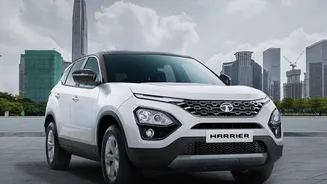
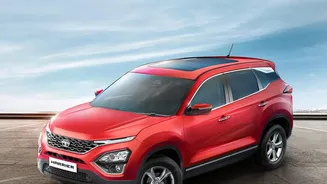
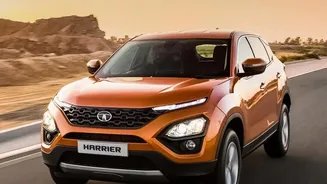
Several of India's largest car manufacturers have confirmed new prices effective in September. Tata Motors announced an increase of up to ₹25,000 across its entire portfolio, including both petrol/diesel (ICE) and electric (EV) models, starting September 1. Similarly, Hyundai Motor India will implement a price hike of up to 1% across all its models from September. This follows earlier price revisions by both companies this year. Market leader Maruti Suzuki also raised its prices in August by up to ₹30,000. Other brands like Mahindra & Mahindra had already increased prices in July, indicating an industry-wide trend.
The Financial Case for Buying Now
The most straightforward argument for buying a car before September is to save money. A 1% hike on a car priced at ₹15 lakh translates to an extra ₹15,000, while Tata's hike could mean paying up to ₹25,000 more for the same vehicle. By purchasing in August, you lock in the current, lower ex-showroom price. Dealers may also be more motivated to clear their existing inventory before the new prices kick in, potentially offering small discounts or benefits on available stock. If you have already decided on a specific model and your finances are in order, acting now provides certainty and protects you from the immediate price jump.
The Strategic Argument for Waiting
Conversely, waiting isn't without its merits. The upcoming price hikes are happening just before India's traditional festive season, which usually starts around October. During this period (Navratri, Dussehra, Diwali), manufacturers and dealers roll out their most aggressive promotional campaigns, including cash discounts, exchange bonuses, free insurance, and attractive financing schemes. While the base price of the car will be higher, these festive offers could potentially offset or even exceed the price increase, especially for slower-moving models or variants. Waiting also gives you more time to assess your options, arrange finances without rushing, and ensure you are not making an impulsive decision based on price-hike anxiety.
Your Decision Checklist
Deciding whether to buy now or wait depends entirely on your personal circumstances. Here are the key questions to ask yourself: 1. How Urgent is Your Need? If you need a car immediately for work or family, buying now makes sense to avoid the guaranteed price increase. 2. Is Your Preferred Model Readily Available? If the car you want has a long waiting period, you may not get price protection anyway, making the decision to wait easier. 3. How Flexible Are You? If you are open to different models or variants, waiting for festive deals could yield a better overall package, even with a higher sticker price. 4. Have You Done the Math? Calculate the potential price increase for your chosen car. Then, research last year's festive offers for that model to estimate potential savings. This will give you a data-backed-way to compare scenarios.