






What is the new system?
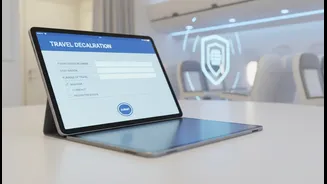
The Australian government is replacing the traditional paper Incoming Passenger Card (IPC) with a digital version called the Australia Travel Declaration (ATD). This new system allows international travellers to submit their customs, biosecurity, and
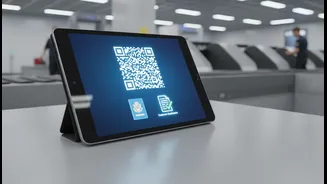
contact information online before they arrive, rather than filling out a physical form on the plane or at the airport. After completing the declaration, passengers receive a digital pass with a unique QR code, which is scanned by Australian Border Force officers upon arrival. This change is part of a A$56.1 million government initiative to modernise Australia's border processes.
Why the switch to digital?
The primary goals are to create a quicker and more seamless border experience for the growing number of international visitors. By receiving passenger information before a flight lands, border authorities can conduct risk assessments earlier, which is expected to improve security and biosecurity screening. The government has stated the new system will reduce manual paperwork, cut down on administrative costs, and help manage global risks like biosecurity outbreaks more rapidly. For travellers, the most immediate benefit is convenience—no more filling out forms during a flight, which means less time in queues and more time to start your trip.
How do I complete the declaration?
The process is designed to be completed before you fly. Initially, the declaration will be available through a web-based form, with plans to integrate the function into airline apps over time. During a successful pilot program, passengers on select Qantas flights could complete their declaration via the Qantas app up to three days (72 hours) before their flight. Once submitted, a QR code is sent to your email and becomes available in the app. You'll need to present this QR code to be scanned by border officials at the airport, so it's wise to keep your phone charged and the pass easily accessible.
When and where is this happening?
The rollout is happening in phases. A successful pilot involving over 450,000 passengers has already taken place on select Qantas flights into Sydney, Melbourne, and Brisbane since late 2024. The program is scheduled to expand to Perth and Adelaide before the end of 2026. A nationwide rollout to all Australian international airports and seaports is expected to take place over the following 12 to 18 months, likely concluding in mid-2028. For now, many travellers will still need to use the paper card, so it is important to check the requirements for your specific airline and arrival airport.
What if I can't use the digital system?
The government has confirmed that paper arrival cards will remain available for travellers who cannot access or use the digital declaration. This ensures that those without a compatible smartphone, or who encounter technical issues, can still complete their required declaration upon arrival. The goal is to provide a digital alternative, not to create a barrier for entry. During the transition period, paper forms will continue to be used alongside the new digital system across all airports.
A new chapter for Australian travel
This isn't Australia's first attempt to digitise its border. Previous efforts, like the Digital Passenger Declaration app in 2022, were later abandoned. However, the extensive and successful trial of the new Australia Travel Declaration suggests this version is here to stay, bringing Australia in line with other countries like Singapore and New Zealand that already have similar digital systems. For the thousands of Indian tourists, students, and professionals who travel to Australia each year, this change promises a more modern and efficient start to their journey once fully implemented.