






Why the Monsoon Changes Everything
The shift in diet during the monsoon, or 'Varsha Ritu', is rooted in Ayurvedic principles. According to Ayurveda, the rainy season weakens our digestive fire, or 'Agni', making the body more susceptible to illness. The high humidity can also increase
the risk of infections. Traditional wisdom, therefore, guides us towards foods that are light, warm, and easy to digest to support our bodies. This isn't just a historical practice; it’s a practical way to boost immunity and prevent common monsoon ailments like indigestion, bloating, and infections.
Embrace Gourds and Seasonal Vegetables
While leafy greens are often best avoided due to the increased risk of mud and germs, the monsoon brings a bounty of other vegetables. Gourds like bottle gourd (lauki), ridge gourd (turai), bitter gourd (karela), and pointed gourd (parwal) are staples. These vegetables are light, full of fibre, and easy to cook in stews and curries. Other good choices include elephant foot yam, sweet potatoes, and cluster beans. It's crucial to wash all produce thoroughly and opt for cooked preparations over raw salads, which carry a higher risk of contamination during this season.
Lean on Light Pulses and Grains
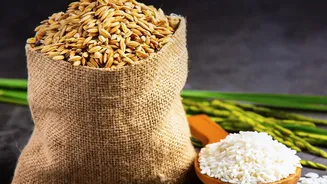
Heavy meals can tax a sluggish digestive system. This is why lighter grains and pulses are preferred. Moong dal is highly recommended because it is one of the most easily digestible lentils. The quintessential monsoon dish, Khichdi, often made with rice and moong dal, is considered an ideal meal—it's a warm, balanced, and comforting one-pot dish that's gentle on the stomach. Besides rice, ancient grains like barley and millets such as jowar and bajra are excellent choices, often used to make rotis or porridge.
Spice Up Your Immunity
Spices are more than just flavour enhancers; in the monsoon, they are a core part of wellness. Warming spices are believed to support digestion and have antimicrobial properties. Ginger, turmeric, black pepper, cumin (jeera), asafoetida (hing), and garlic are used generously. A cup of hot ginger tea or a warm pepper rasam is not just comforting on a rainy day but also helps fend off colds and coughs. These spices work to stimulate the digestive fire and help the body stay warm and balanced.
Choose Your Fruits Wisely
While hydration is key, Ayurveda suggests being mindful of fruit choices. Seasonal fruits like jamun, pomegranate, pears, plums, and apples are excellent choices. These fruits are packed with vitamins and antioxidants. However, it's generally advised to avoid very watery fruits like watermelon, as they can weaken digestion according to traditional beliefs. As with vegetables, ensure all fruits are washed thoroughly before consumption to avoid any risk of infection.
What to Limit or Avoid
Knowing what not to eat is just as important. Raw or uncooked foods, including salads, are a major no-no due to a higher risk of bacterial contamination. It's also a time to be cautious with street food, especially items like pani puri where the water may be unhygienic. Ayurveda also recommends limiting dairy products like curd, especially at night, and fermented foods as they can be harder to digest. Seafood should also be approached with caution as the monsoon is often the breeding season, which can affect freshness and safety.