






The Old Rule of Thumb
You may have heard that the Recommended Dietary Allowance (RDA) for protein is 0.8 grams per kilogram of body weight. For a 70 kg person, that translates to about 56 grams of protein per day. This guideline was established based on studies aiming to determine
the minimum amount of protein needed to prevent a deficiency and maintain nitrogen balance in most healthy, sedentary adults. For a long time, this was considered the gold standard for daily protein goals. However, a growing body of evidence suggests that this number represents a floor, not a ceiling, for optimal health.
From Minimum to Optimal
Newer research and expert analysis are shifting the conversation from merely preventing deficiency to achieving optimal function. Many scientists now argue that the 0.8 g/kg figure is the minimum to keep you from getting sick, not the amount needed to thrive, build and maintain muscle, or support an active life. This is particularly true under certain life stressors, such as illness, weight loss, or intense physical training. A higher protein intake can help preserve lean muscle mass during weight loss and support muscle repair and growth after exercise. The consensus is moving towards a more personalised approach, acknowledging that a one-size-fits-all number doesn't account for individual differences in age, activity, and health goals.
Who Needs More Protein?
Several groups can benefit significantly from a higher protein intake. Adults over 50 are a key demographic. As we age, we experience a natural decline in muscle mass, a condition known as sarcopenia. To combat this and maintain strength and independence, experts recommend older adults aim for 1.0 to 1.2 grams of protein per kilogram of body weight. For a 75kg person, that’s 75-90 grams per day, a substantial increase from the old RDA. Active individuals and athletes also have elevated needs. Regular exercise, especially resistance training or endurance sports, increases the demand for protein to repair and build muscle tissue. For this group, recommendations often range from 1.2 to 1.7 grams per kilogram of body weight. People trying to manage their weight may also find a higher protein intake beneficial. Protein can increase feelings of fullness, helping to reduce overall calorie consumption.
Calculating Your New Target
So how do you figure out your ideal number? While a personalised consultation with a dietitian is always best, you can use these updated guidelines as a starting point. For a generally healthy adult, aiming for 1.0 g/kg could be a good starting point. If you are over 50, consider a range of 1.0-1.2 g/kg. If you are regularly active, a range of 1.2-1.7 g/kg is a common recommendation. It's also important to consider when you eat your protein. Your body can only utilise a certain amount at once, so spreading your intake throughout the day is more effective than consuming it all in one large meal. Aiming for 20-35 grams of protein per meal is a great strategy to maximize muscle protein synthesis and keep you feeling full and energized.
Boosting Protein in an Indian Diet
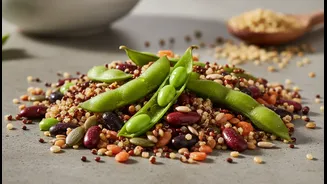
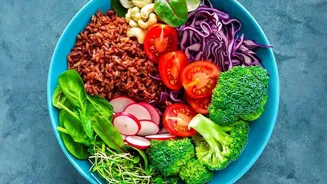
Increasing your protein intake doesn't have to be complicated. The Indian diet is rich with excellent protein sources. For vegetarians, dairy products like paneer (about 18g per 100g) and Greek yogurt (hung curd, about 10g per 100g) are fantastic choices. Legumes and pulses are staples for a reason; a cup of cooked lentils (dal) or chickpeas (chana) can provide 15-18 grams of protein. Soybeans and their products, like tofu and soy chunks, are also protein powerhouses. Combining different plant sources, such as dal with rice or roti, helps ensure you get a complete amino acid profile. For non-vegetarians, lean chicken, fish, and eggs are excellent high-quality protein sources to include in meals.