







The Seeds of a Cotton Empire
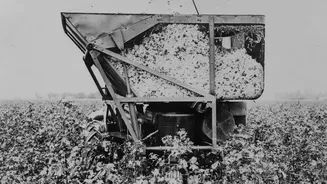
Coimbatore's journey as a textile giant began with a simple geographical advantage: its soil and climate. The region's rich, black soil was perfect for cultivating cotton, providing a ready supply of high-quality raw material. This agricultural foundation
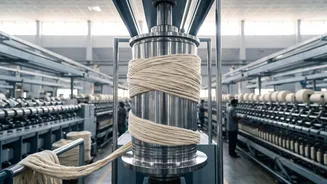
attracted early entrepreneurs and British settlers in the 19th century, who saw the potential for a thriving industry. The first mechanised spinning and weaving mill, the Coimbatore Spinning & Weaving Mills, was established by Sir Robert Stanes in 1888. This marked the beginning of industrialisation, setting the stage for the city's transformation from a network of villages into a bustling industrial centre.
The Rise of the 'Manchester of South India'
The early 20th century saw a textile boom in Coimbatore, particularly in the 1920s and 1930s. A key catalyst was the commissioning of the Pykara hydroelectric project in 1932, which provided abundant and affordable power, fuelling rapid industrial growth. Entrepreneurs, many from local agricultural families, seized the opportunity to set up numerous mills. The city's reputation for producing premium-quality yarns distinguished it from other textile centres in India. This combination of plentiful raw cotton, cheap power, and a burgeoning entrepreneurial spirit firmly established its moniker as the 'Manchester of South India', a nod to the original industrial heartland in the UK.
From Spinning Hub to Engineering Powerhouse
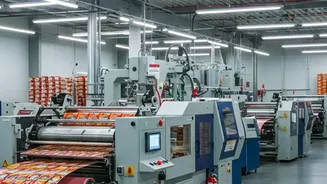
The growth of the textile industry created a ripple effect, sparking development in related sectors. As mills multiplied, so did the need for machinery and repairs. Small workshops established in the 1930s to service textile machines and agricultural equipment gradually evolved into sophisticated foundries and engineering firms. This organic growth led to Coimbatore becoming a major manufacturing hub for textile machinery components, with several homegrown brands achieving global recognition. The city now produces a significant portion of the motors and pumps used in India, showcasing an industrial ecosystem built on the foundation of textiles.
An Ever-Evolving Industrial Fabric
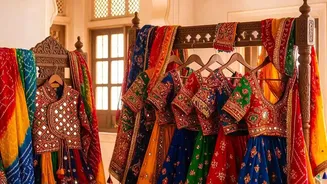
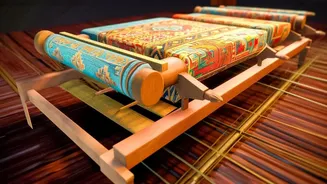
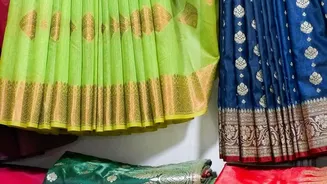
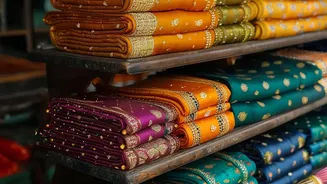
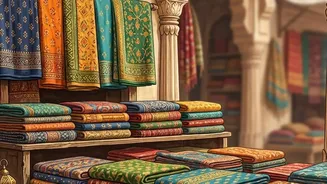
Today, Coimbatore's textile industry is a complex tapestry of large mills, small-scale power looms, and handloom weavers. While it remains a primary centre for cotton spinning, the sector has diversified significantly. The region is a major exporter of knitwear, woven apparel, and home furnishings. To stay competitive, the industry is increasingly focusing on value-added products, innovation, and sustainability. There is a growing shift towards man-made fibres, technical textiles used in sectors like medicine and industry, and products made from organic and recycled materials. Institutions like the South Indian Textiles Research Association (SITRA) support this evolution through research and development.
Navigating Modern Challenges
Despite its historic strength, the industry faces significant modern headwinds. Intense global competition, particularly from countries offering cheaper yarn, has put pressure on local manufacturers. Rising raw material prices and import duties on cotton make it difficult to compete on cost in the international market. Furthermore, there is a growing need for skilled labour to operate advanced machinery and increasing pressure to adopt sustainable, low-carbon technologies to meet the demands of global buyers. Industry leaders are actively pushing for greater adoption of cleaner energy and innovative technologies to secure the industry's future.